
Best Video Tripod for Travel: Five Picks Compared
A travel tripod has a hard job description. It has to be light enough that you actually bring it, small enough to fit in a carry-on, and still steady enough that your footage doesn't wobble in the wind at a viewpoint.
Video makes it harder than photos. A ball head is fine for stills, but smooth pans need a fluid head, and most of the smallest travel tripods weren't built with one, so you end up trading weight against movement.
Below is what matters when choosing one, a carry-everywhere pick, a fluid-head pick, and budget, lightest and hybrid alternatives.
The Peak Design Travel Tripod is the best choice for mirrorless gear because it's portable, while the Manfrotto Befree 3-Way Live offers a dedicated fluid head despite its known tendency to loosen. You might consider the budget-friendly SmallRig or the lightweight Sirui carbon model if you want to save weight or money on your trip. The Benro Rhino bridges both worlds if one tool must do two jobs.
What Matters When Choosing a Travel Video Tripod
When you pick a stand for your camera, you need to weigh the weight of your gear against how much it can carry, so your shots stay level while you move the rig. If the lens is heavier than the legs can handle, the frame sags when you pan for a smooth shot.
A fluid head helps you move smoothly, but a ball head is often lighter for those who want to save space. Check whether the locks stay tight, because cheap knobs slip in the cold. Size matters too - folded length decides whether the tripod rides inside your bag.
The folded length of the gear shows if it will fit inside your carry-on bag, or if you have to strap it to your pack and struggle through the airport.
Carbon fiber keeps the weight down, but it usually costs much more than metal legs, if you're on a tight budget. Look for a design that collapses quickly, so you don't lose time when the light fades fast. Using the right locks keeps your setup solid, which prevents shaking from ruining your video clips on uneven ground.
Peak Design Travel Tripod: The Carry-Everywhere Pick
This carbon fiber option stands out for those who need to move gear across the globe because it feels so well built while it stays light enough for long trips.
One reviewer used this rig for two years after a car door crushed their old tripod - Peak Design's product page lists the folded dimensions and payload - and the 2-year report is the pattern, not the exception. It's great for motorcycle camping, since the design doesn't weigh you down when you're riding.
You'll find it has plenty of neato stuff built in, which helps keep things organized on the move.
One person bought the exact same model again after a TSA agent stole their first unit, which says plenty about the trust the build earns. It stays a solid pick for mirrorless shooters. The high rating of 4.6 reflects how many people find that it keeps working through rough years of travel.
You should be careful if you use a heavy lens, like the RF 100-400 with a converter, because that setup pushes the payload to its absolute physical limit. The frame holds mirrorless bodies well, but extra glass might make the legs shake quite a bit. If weight worries you, this carbon frame is the one to carry every day.
Manfrotto Befree 3-Way Live Advanced: The Fluid-Head Pick
For a dedicated fluid head, this Manfrotto setup offers a smooth pan and tilt that feels luxury-grade - B&H's video tripod category shows the full price ladder.
One buyer used it daily for nine months and called it very solid and well-made - Manfrotto's site lists the Befree line's payload specs. It's included with a padded case, which keeps the parts safe when you move between different spots on a trip. The head holds a 1280g camera and lens setup, without any shaking or moving while you record.
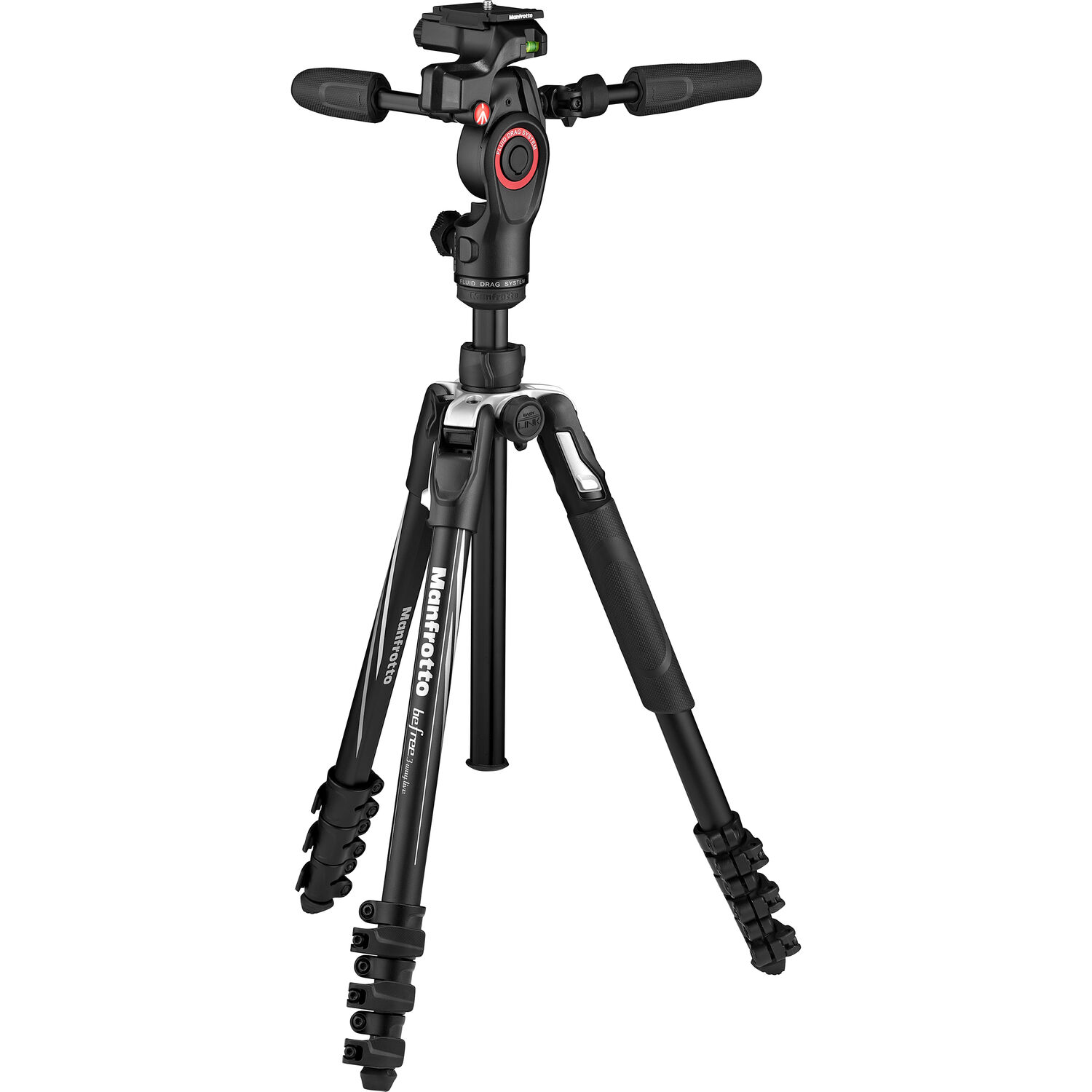
While the fluid head works well for most, the tripod weighs over four pounds, which might feel heavy if you're trying to save every single ounce on a long hike. Some reviewers have noted that the horizontal turn feels like a big screw, which can unscrew itself over time. The flaw causes the camera to wobble unless you keep the knobs tight during a shoot.
You should check the tightness of the head often, because multiple owners have found the fluid head becomes flimsy and loose after a few months of regular daily use. This way of loosening means you have to stay vigilant, so the gear stays firm for your next shot. This tool is a real video head for those who don't mind fixing it, to keep it working well.
For real fluid motion, as long as you don't mind a quarterly check of the head tension, this remains the pick that packs a genuine video head into a carry-on footprint.
Budget, Lightest, and Hybrid Alternatives
For carbon fiber without spending a lot of money, the SmallRig CT150 offers a budget entry point for travelers who need light gear while moving. It uses a ball head that makes setup quick, though you miss the smooth pans of a dedicated video head - the monopod guide covers the middle ground for run-and-gun. It works well for mirrorless rigs that don't need cinema-grade movements.
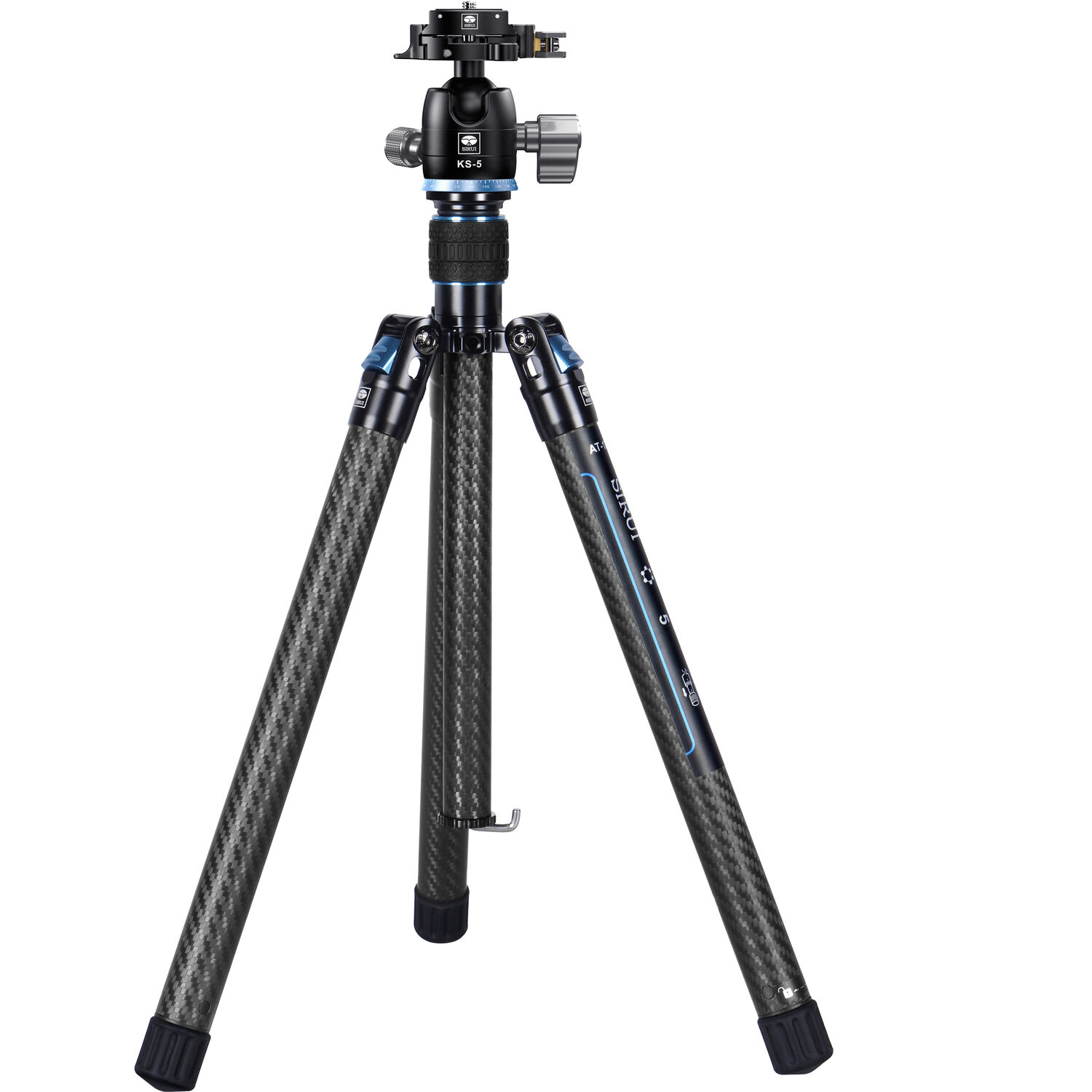
The Sirui AT-125 stands out as the lightest carbon option available, which makes it a top pick for hikers who count every single gram when they pack their bags. It comes with the KS-5 head, which keeps shots steady on long trails, and the frame in the image above shows how slim the packed profile stays.
The Benro Rhino provides a hybrid ball-head design that bridges the gap between the speed of a ball head and the control needed for basic video work. This setup helps if you want to move fast but still lock the frame for stills. It is a solid middle ground for one tool that does two jobs.
Frequently Asked Questions
Do I need a fluid head for travel video?
You'll want a fluid head if you need smooth panning shots, but standard ball heads work perfectly fine for photographers who only capture locked-off frames. Choosing between them depends on how much you move the camera during a single shoot or video sequence.
Is carbon fiber or aluminum better for travel?
Carbon models are lighter and dampen vibration better than aluminum, though aluminum options are usually much cheaper for those on a very tight budget. Pick carbon if you hike long distances where every gram counts toward your total load.
How do I calculate tripod payload capacity?
Add the weight of your camera and your heaviest lens, then add twenty percent for extra headroom to ensure the gear stays stable. This math is vital for setups using the RF 100-400 lens with a 1.4x extender for maximum reach.
Will these tripods fit in airline overhead bins?
Most travel tripods fit inside overhead bins when the legs are folded down to their shortest length for easy transport during flights. The Befree includes a padded case that protects the head during rough airport handling, and the Peak Design's bag-mounted profile straps to almost any pack.
Can I use these for heavy cinema cameras?
Payload limits on most travel tripods usually disqualify them from supporting professional cinema rigs that include heavy batteries and accessories. You'll likely need a dedicated professional stand for those high-end cinema setups during long days.