
Best Video Camera for Wedding Videography: Five Bodies Compared
Wedding video is a long day with no second takes. You're shooting from the morning prep to the last dance, in light that swings from a bright ceremony to a dark reception, and you can't ask the couple to say their vows again because a card failed.
That changes what matters in a camera. Dual card slots, reliable autofocus, good low-light performance and a body that doesn't overheat count for more than the headline resolution, and the camera you trust as your main one isn't always the right second camera.
Below are the wedding default, a pick for Canon shooters, an internal ProRes option, a cinema-grade body and a compact camera that works best as a B-cam.
The Sony a7 IV remains the default choice for weddings while the Canon R6 Mark II suits those with Canon glass, and the Lumix S5 IIX wins when internal ProRes is the priority for your specific project.
The Sony FX3 is for clients demanding cinema-grade tools, but the Sony ZV-E1 is only a B-cam because of its heat issues. Dual card slots are non-negotiable on an A-cam, because a single failed card means irreplaceable footage.
Sony a7 IV: The Wedding Default
The Sony a7 IV holds a 4.7 rating from 768 buyers, the deepest owner sample in this list. The verified pattern is striking: a Canon shooter who switched in 2023 and will not go back, a 15-year Nikon DSLR veteran who has not looked back, and owner after owner calling the autofocus strong and the body reliable. The improved UI gets specific praise from long-time owners.
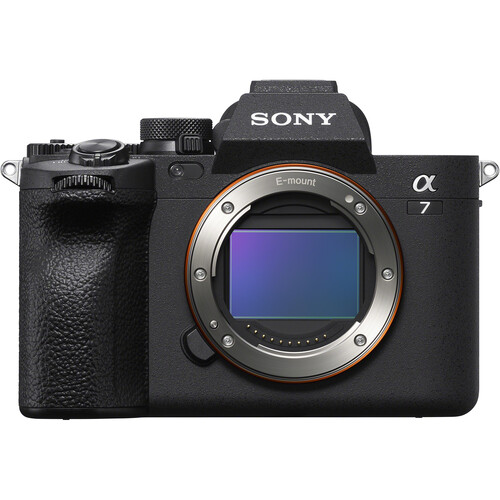
For wedding work the spec sheet lines up with the owner reports: dual card slots, a full-frame sensor that holds up in dark churches, and battery life that covers a ceremony without a swap. That combination, plus the verified reliability record, makes it the default pick for most wedding shooters.
Canon EOS R6 Mark II: The Canon Shooter's Pick
For anyone who already loves the Canon look, this body takes all those fast RF lenses and gives you skin tones that look great on screen. It captures sharp 4K video by oversampling 6K data - Canon's R6 Mark II page lists the full specs - which makes the image clean even when you crop in.
You get dual card slots so you won't lose your footage if one card fails during a long ceremony. This setup keeps working for people who need to trust their gear throughout the whole wedding day.
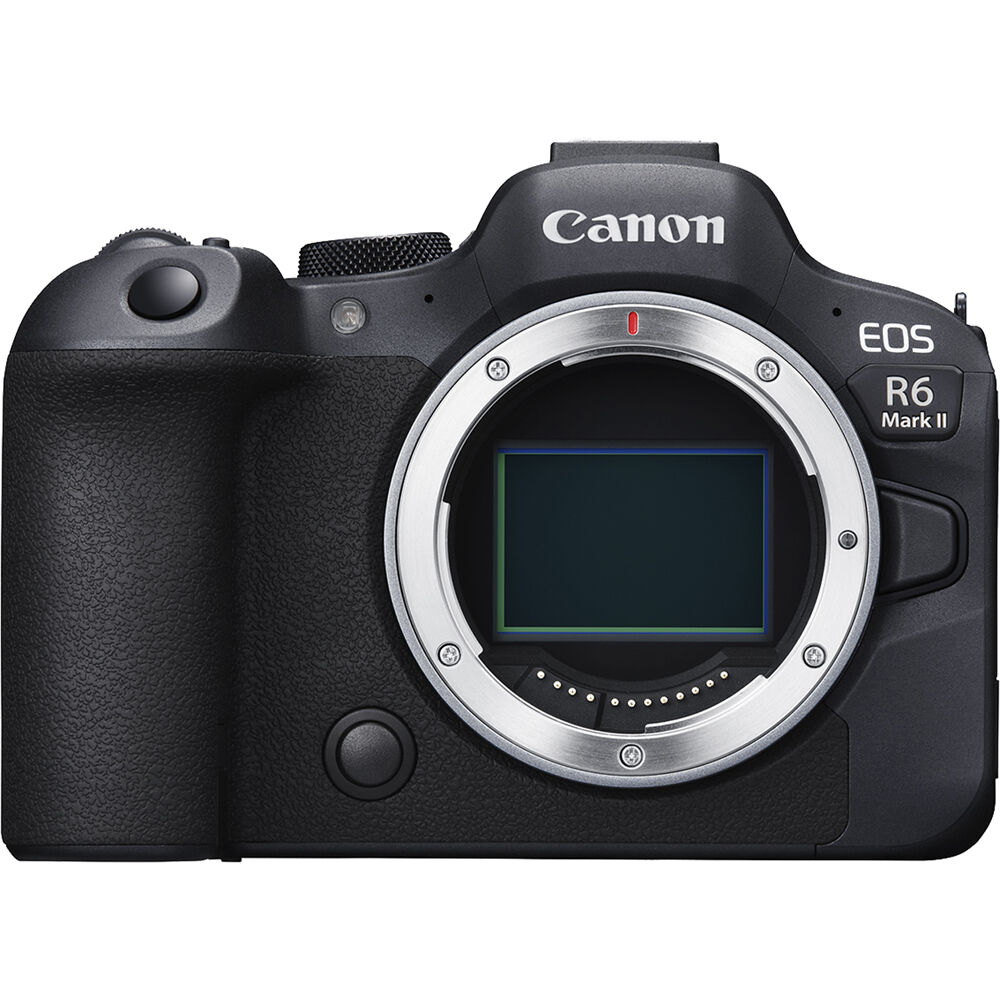
Many pros choose it because it fits an existing Canon workflow, with no new menus or button layouts to learn. Since it handles the pressure well, you can focus on the couple instead of worrying about the tech failing. Using this tool means you stay with the colors you know while getting high-end video results.
Panasonic Lumix S5 IIX: The Internal ProRes Pick
Many shooters love this camera because the phase hybrid autofocus feels like a huge upgrade for anyone who needs to stay locked on moving subjects during a busy wedding day - Panasonic's Lumix pages list the full video specs.
One reviewer says the color science is great, and the body feels very right in your hands during long shoots. You can fully trust anything you do with this tool, because it keeps working when the pressure gets really high. It's a solid choice for pros who want high quality without the fuss of complex menus.
To record high-quality video straight to your cards without an external recorder, this is the best way to get it done. The internal ProRes support makes editing much faster, since the files are already ready for your computer to handle. It captures professional-looking moments while you move through a crowd of guests.
The biggest downside is that the battery life is abysmal, so you must buy extra spares so you don't run out of power during the ceremony.
Two owners have noted that the cells are slim, which means you need to plan your day around having extra packs. One person reported getting an opened box, but that seems like a shipping error rather than a fault with itself. You should check the gear when it arrives, to make sure everything is there for the big event.
Sony FX3: When You Want Cinema-Grade Tools
The Sony FX3 is the tool you pick when clients expect a cinema-grade look, because it instantly feels made for video the moment you turn it on and see those clean skin tones.
One reviewer who switched from Blackmagic or Nikon loves this camera because the image stays so clean throughout the edit process. It produces a professional look that helps you stand out, even though it might cost more than some other gear. You'll love how it handles light, which makes it great for dark indoor weddings or evening receptions.
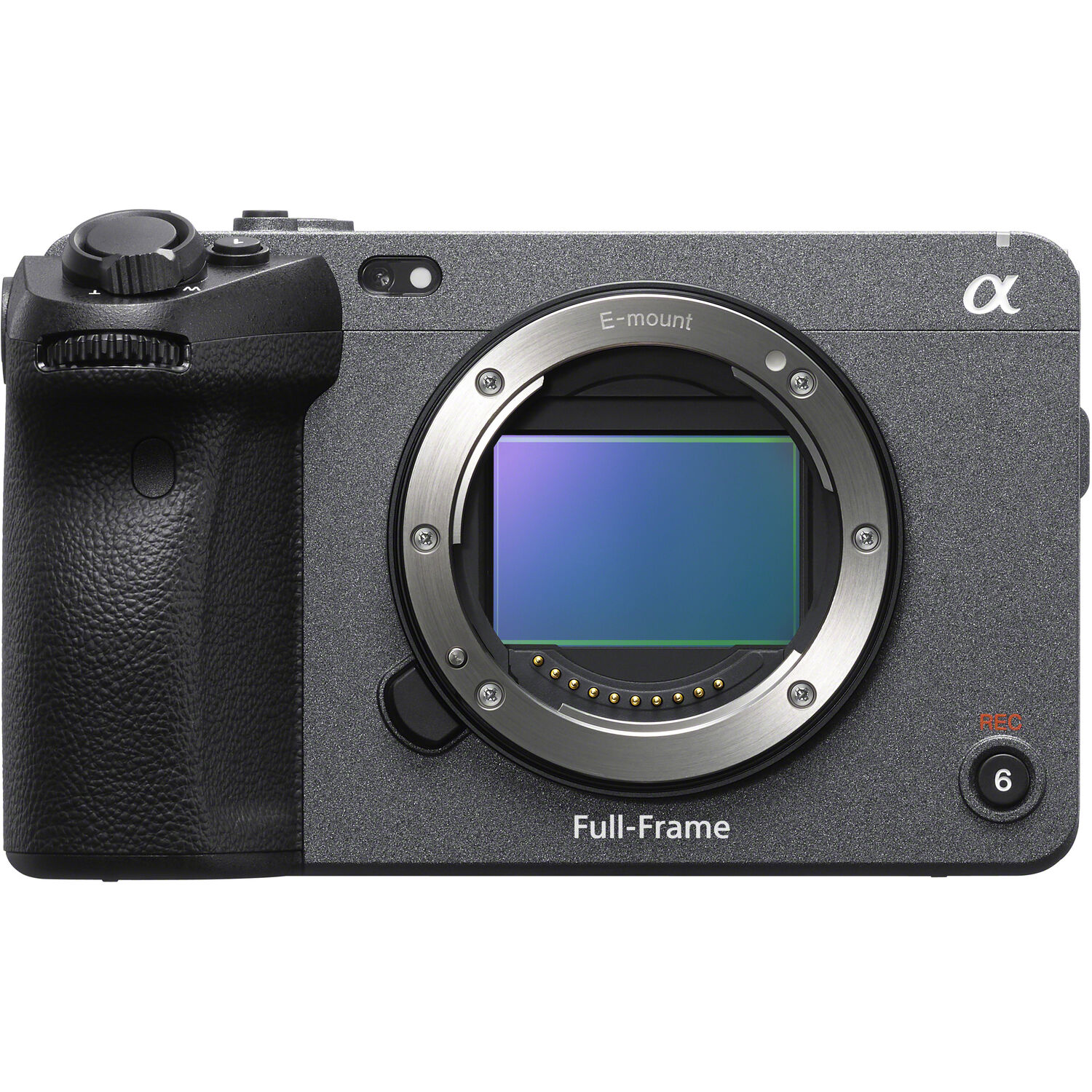
While the hardware is great, some buyers have reported faulty batteries after a month-long backorder, or a used camera delivered when they paid for new - a pattern we also flagged in our film camera roundup.
Their order was missing the warranty paper, which is a big risk for such a high-end tool. That's one buyer's note.
This camera is the right choice if your work demands high-end results, but you should only buy new to avoid the issues that other people have faced lately. It has dual card slots so you won't lose any footage if one memory card fails during the shoot.
For crews that need the cinema feel without a full film rig's bulk, this is the body - provided you verify the gear the day it arrives.
Sony ZV-E1: The Compact Full-Frame Option - as a B-Cam
While the Sony ZV-E1 uses the same sensor as the expensive FX3, its small size makes it a tempting choice for a backup camera rather than your main wedding tool.
A buyer calls it the most capable compact full-frame tool, yet the build quality feels quite thin for pro use
Many owners report that the camera overheats during continuous recording, which is a major risk when you need to capture a long ceremony without any possible break.
The owner has mentioned the HDMI board failed twice, once right after the warranty ended and once later
You should skip using this camera as an A-cam for irreplaceable moments, because the lack of physical controls and heat issues make it far too risky for pros. It is just a B-cam.
Relying on the touchscreen for menus can be frustrating when things move fast at a wedding. If you need a tool that won't fail you, look at the more expensive bodies above.
Frequently Asked Questions
What's the best budget-friendly wedding video camera?
The Lumix S5 IIX is the value pick with internal ProRes and verified owner praise, or a used Sony a7 IV if the budget is tight - B&H's video camera category lists current pricing. Skip the ZV-E1 as an A-cam - the verified heat and HDMI failure pattern makes it a B-cam only.
Do I need a full-frame camera for weddings?
It helps in dark churches and receptions, but fast glass on a crop body works too. Every camera on this list is full-frame because wedding hours are rarely bright.
How important are dual card slots?
Non-negotiable on an A-cam. One card failure mid-ceremony means footage you cannot reshoot. The a7 IV, R6 Mark II, FX3 and S5 IIX all have them. The ZV-E1 does not, which alone disqualifies it as a primary wedding body.
Sony a7 IV vs Canon EOS R6 Mark II for weddings - which is better?
Both are verified-capable. The a7 IV's owner reports emphasize autofocus and battery life, while the R6 II's case is Canon color and RF glass. Shoot the one whose glass you already own.
What about audio for wedding video?
A separate recorder with wireless lavs on the groom and officiant beats any camera's built-in audio. Our wedding lens guide covers the glass side of the kit. The camera's job is picture, so feed it a clean signal from your recorder.
How many cameras do I need to shoot a wedding?
Two bodies minimum - one on the ceremony wide, one on the couple - with a third for reception coverage if the budget allows. Two shooters with two bodies each is the standard professional setup - our multi-camera setup guide covers the switching side.