
Best Lens for Sony A7III Video: Flagship, Value and Budget Picks
The Sony A7III has been a popular video body for years, and for many owners the lens is where the next money goes. Sony's E-mount has more choice than almost any other system, which sounds like good news until you try to pick.
The trade-offs are real. Sony's own top zooms are excellent and expensive, third-party lenses cost far less but don't always focus quite as well on video, and the cheapest primes can bring quirks like motor noise you'll hear in your audio.
Below are the do-everything zoom, the best-value alternative, wide and long options, and budget primes for a simple two-lens kit.
The Sony FE 24-70mm f/2.8 GM II is the do-everything answer for A7III video, the Tamron 28-75mm f/2.8 G2 covers the same range for roughly half the price, and the FE 50mm f/1.8 is the honest budget prime with a documented motor-noise caveat. Every pick here carries verified owner evidence, including one wrong-product link from the old article that gets corrected below.
Sony FE 24-70mm f/2.8 GM II: The Do-Everything Zoom
This flagship zoom delivers superior image quality and fast low-light speed for professional video, which keeps your shots sharp even when the light fades during a long shoot day.
You get clear results in every frame because the glass works hard to capture every fine detail. The layout feels natural in your hand, so you can adjust settings without looking at the screen. It's a top tool for creators who need the absolute best results from a single lens.
The lens includes a physical aperture ring and an iris lock, which lets you control exposure quickly while keeping your depth settings from shifting accidentally during a take. These features help you stay focused on the action while you move through a busy scene. Every button sits where your fingers expect it, which matters when the scene moves fast.
While the speed is great, the weight remains a burden to carry everywhere when you are on your feet for hours without taking even a single real break. You might feel the strain after a long day, but the quality makes up for the extra effort. It is the best all-around zoom for A7III video if the budget holds, and the verified weight complaint is the one honest trade.
Tamron 28-75mm f/2.8 G2: Best Value Standard Zoom
The Tamron 28-75mm f/2.8 G2 stands out as a top choice for those who need a versatile zoom because it offers sharp optics without breaking the bank like flagship models.
You'll find it stays compact and light - roughly 540 grams versus the GM II's heavier build - which makes gimbal setup and long handheld days easier. This lens works well across its range, so you don't have to swap gear as often. The quality stays sharp across the range, even though it sits far below flagship pricing.
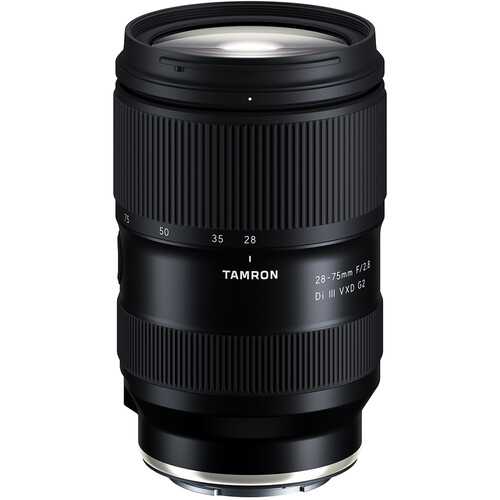
While the glass itself is great, you should keep in mind that the autofocus system may not be as fast or precise in certain times when you track fast subjects. This trade-off is the truth for a lens that provides so much value for the money you spend. It keeps working for most tasks, with a slight lag when the action gets fast.
Choosing this lens means a reliable A7III partner that balances weight against capability for solo creators. Most users will appreciate the light build, which helps your arm from getting tired when you use a gimbal. You're getting a sharp tool that fits your budget, so it's a smart way to build a kit.
Wide, Long, and the Sigma Question
The FE 16-35 GM II is a solid wide tool for those who need space, even though one buyer has found a unit that arrived stuck and needed a nudge to work.
You won't have to worry about a bad pattern, since that shipping issue was just a fluke for one person. This glass earns the wide-slot pick because it stays sharp across the range, and it keeps the frame clear while you move through tight spots.
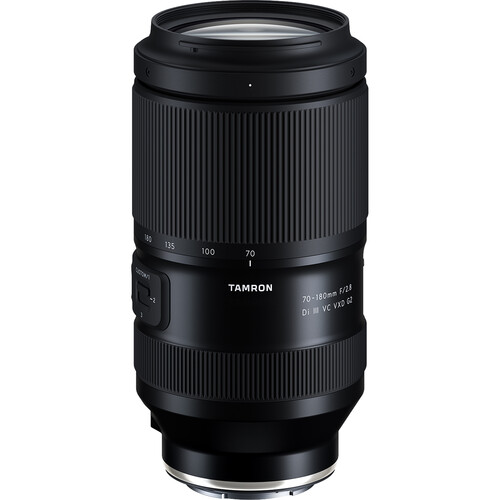
The Tamron 70-180 G2 offers a great price for telephoto reach, but you should know that the bokeh at long distances looks like a nervy oil painting with very busy moves. This lens is a steal, if you want to zoom in without spending a lot of money on glass. It feels light for the reach, though the background rendering is the trade.
When you look at the Sigma 24-70 DG DN, you need to make sure you grab the right E-mount version, because the old link pointed to a Canon lens - the Canon EF lens guide covers that side of the Sigma catalog.
This third-party option sits in the middle ground - B&H's Sony E-mount lens category shows the full price ladder - for shooters between the budget and flagship zooms. It is a smart pick for a versatile zoom that does not cost flagship money.
Budget Primes and the Two-Lens Kit
On a tight budget, the Sony FE 50/1.8 is a cheap way to get a fast, sharp prime, though its build feels plasticky. This lens doesn't have a switch for manual or auto focus, which might annoy you when you switch modes fast. You'll also hear motor noise on video recordings, which is a real hurdle for clean audio - treat this as a photo-first lens.
When you want a wide range without spending a fortune, you can pair the Tamron 28-75 G2 with the 70-180 G2 to cover from 28mm to 180mm at a fast f/2.8 aperture. This setup gives flexibility for a fraction of the cost of a flagship zoom. Both lenses carry the verified sharp-optics praise, and together they cover 28-180mm without a gap.
Choosing a kit like this means you'll swap lenses more often, which can be a pain if you're shooting live events or waiting for that perfect fleeting moment.
You'll find the gap between these lenses is small, so you rarely miss focal lengths in practice. Money saved here funds lights, microphones, or a second battery kit - all of which show up on screen faster than a lens upgrade does. This path is often best for creators who want quality results.
Frequently Asked Questions
What is the best all-around lens for the A7III?
The Sony FE 24-70mm GM II is the top choice if you have the funds, but the Tamron 28-75mm G2 offers a great alternative. Lenses usually hold their value longer than the body itself, so investing in glass is a smart long-term move - the Tamron pair from this guide resells easily when you upgrade bodies later.
Are third-party lenses as good as native autofocus?
Third-party options like the Tamron VXD lenses get very close, though Sony-native lenses still provide the most polished eye-tracking autofocus experience. You'll find that native glass feels slightly more reliable during fast-moving shots.
Is the 50mm f1.8 okay for professional video?
This budget prime is usable for professional work, but the internal motor creates audible noise during recording - our camera guide covers bodies whose quieter native glass avoids that problem. An external microphone and synced audio filter out those unwanted sounds.
Which two lenses should I buy for a complete kit?
Pair the Tamron 28-75mm G2 with the Tamron 70-180mm G2 to cover a wide range of focal lengths. This combination handles almost every scenario while keeping your overall bag weight relatively low.
Does the A7III have focus breathing compensation?
The A7III lacks in-body focus breathing compensation, but the newer GM II lenses help control this effect when paired with compatible newer bodies, so plan for it on the A7III itself. This helps keep your shots clean when you shift focus between subjects in a scene.