
A Review of the DJI Mic 2: Great Hardware Between DJI's Own Upgrades
Wireless mics have become one of the best upgrades you can make to a video, and DJI's have become the default for a lot of creators. Clip a transmitter on, record clean audio from across the room, and the built-in camera mic suddenly sounds like the toy it is.
The DJI Mic 2 is a strange case, though. It's excellent hardware, with features that still matter, but DJI has since released a cheaper model and a newer flagship, so the question is less whether it's good and more whether it's still the one to buy.
Below is the hardware, how it sounds in the field, how it compares with DJI's own Mini and Mic 3, and how it stacks up against the Rode Wireless GO II.
While the Mic 2 is technically superb with 32-bit float audio, eight gigabytes of internal storage, and fourteen hours of recording, it's now overshadowed by the newer Mic Mini and the flagship Mic 3.
The Mic Mini offers better value for most people and the Mic 3 is the current flagship - the Mic 2 earns a spot only at a used or clearance discount, where its 32-bit float hardware undercuts both - and discounted stock moves precisely because DJI keeps improving the line. Check B&H's current DJI Mic pricing before deciding which generation your budget lands on.
The Hardware: 32-Bit Float Changes the Job
DJI's Mic 2 records 32-bit float, which removes two jobs at once: no gain riding during the shoot and no clipped takes in the edit.
The file simply contains the whole dynamic range, which your audio mixer can shape later without penalty - headroom in the file instead of stress on set. The sound stays clean even when a person shouts straight into the mic grille, because the hardware absorbs the spike instead of printing distortion into the file.
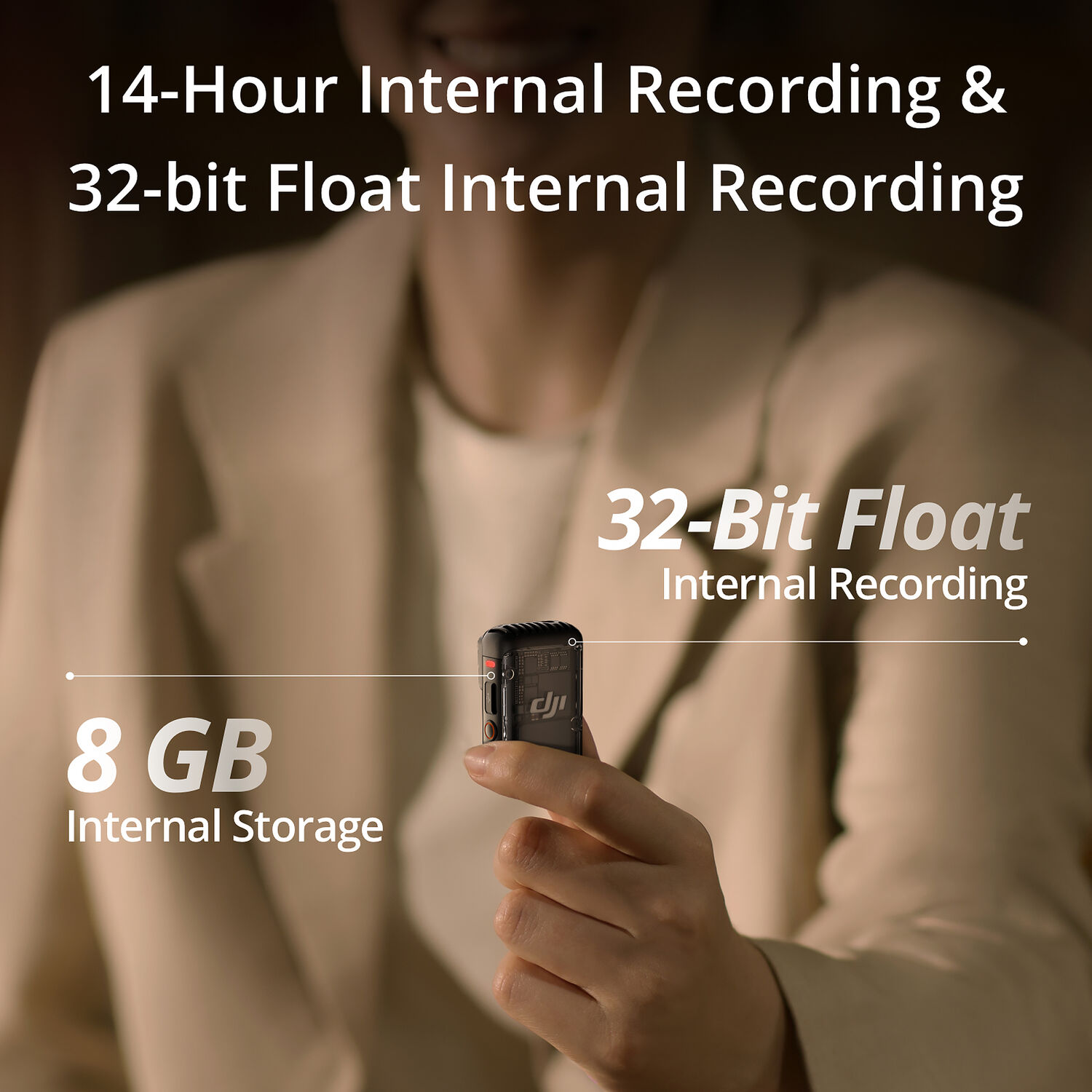
Each transmitter holds 8GB of internal storage, which covers up to 14 hours of compressed audio - a full multi-day shoot without a single file transfer. The kit ships with two transmitters, a receiver and a charging case that keeps everything topped up between jobs. Grab it in the morning and every unit is charged and paired - the small convenience that decides whether backup audio actually gets used.
For high-stakes projects the case is narrower but real: the Rode Wireless GO II has verified charge-hold issues, while this set's internal backup track keeps rolling when the wireless link drops - the safety net solo shooters actually need. Our original Wireless GO guide covers that lineage.
How It Sounds in the Field
At a loud convention the requirements collapse to three: light, easy, dependable. The intelligent noise cancelling earns its keep exactly there - the verified Mini stories from convention floors describe the same problem this generation of mics solves, and hours of interviews that end with usable audio - the whole pitch for interview work in one sentence.
The 32-bit float recording never clips, even when the speaker leans into the mic or raises their voice mid-sentence. A backup track saves the take when the wireless link drops for a moment - cheap insurance in any documentary audio setup - and the internal storage holds fourteen hours before a transfer is even necessary.
Between the two siblings the Mic 2 occupies an awkward middle: more recording features than the Mini, none of the Mic 3's refinements, and a price that has to fall before the math works. It fits creators who cannot afford a factory-reset ritual before every session - when the room gets loud, the speech stays clear.
The DJI Family Problem: Mini and Mic 3
DJI put the Mic 2 in a strange spot: its own Mic Mini is newer, much lighter and cheaper, with a 4.7 rating across more than 25,000 reviews - the deepest sample of any wireless mic in this class.
The verified Mini stories are convincing: a convention shooter found the built-in camera mic captured 'the entire room' until the Mini isolated the speaker, and owners call the size 'incredibly convenient' - feedback that transfers directly to the Mic 2's transmitter design. If the job is a hidden lav and clean speech, the smaller sibling is genuinely enough - and cheaper.
The Mic 3 is the current flagship: sixteen-gram transmitters that mount with magnets instead of clips, a pairing process that takes about two minutes, and adaptive gain that handles room changes gracefully without a menu dive. The verified line that sums it up comes from a cheap-mic upgrader: 'I honestly wish I had bought this microphone set sooner... this completely changed my mind.'
The Mic 2's remaining argument is 32-bit float - audio that cannot clip, fixable in post no matter what the talent does with the level. Neither sibling matches that guarantee at its price, which is why discounted Mic 2 stock keeps finding buyers who care more about unclippable files than magnetic mounts.
Against the Rode Wireless GO II
The Rode Wireless GO II remains the dual-channel legacy pick, but the verified complaints stack: 'the last three Wireless GO II sets I ordered ALL required a factory reset' from one owner who otherwise calls Rode the best in the category. Trust is the whole product in wireless audio - a system that might need a factory reset before the first take changes how you plan every shoot around it.
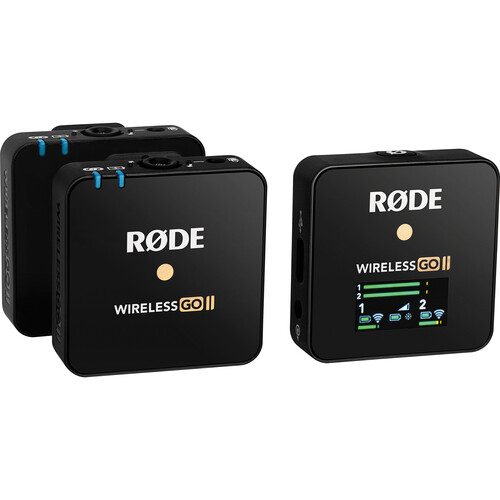
The charge-hold complaint is the bigger flaw: circus-show owners report 'roughly an hour' of use before the transmitters die between gigs, and another owner watched the receiver battery degrade until it would not charge at all.
The DJI Mic 2 sidesteps both failure modes: no reset ritual before a session, and battery management that survives sitting in the case between shoots.
While the Rode still has its place for older workflows, the way the hardware fails is hard to ignore. You want hardware that does not need a rescue mid-project - the reset-and-recharge cycle is exactly the kind of tax that compounds across a busy season, one frustrating morning at a time.
Frequently Asked Questions
DJI Mic 2 vs Mini vs Mic 3?
The Mic Mini offers the best value for budget buyers with its 25,000-review track record, the Mic 3 is the flagship with the magnetic mounts and adaptive gain, and the Mic 2 survives as the discounted pick for shooters who specifically want 32-bit float at the lowest entry price.
Pick the Mic 2 when a sale drops its price under the Mini and your work genuinely benefits from unclippable raw audio - documentary interviews, loud events, unpredictable talent - because no amount of convenience replaces a file that cannot be ruined in the first place.
What does 32-bit float recording do?
The format stores the full dynamic range, so a shout that would clip a 16-bit system stays recoverable - you fix the gain in post without losing sound quality. Distortion never enters the file, no matter how loud the moment gets on set.
Is 8GB internal storage enough?
Eight gigabytes holds about fourteen hours of compressed audio per transmitter - enough that the internal recording becomes a genuine backup layer instead of a short-term buffer. Fourteen hours outlasts any single workday with margin to spare, and the case charges while you drive to the next location.
How good is the range through walls?
Open-air range is generous, but thick walls degrade the link noticeably - the kind of thing that matters in multi-room venues rather than open fields. Wedding shooters and event crews should scout the receiver placement during the venue walkthrough, because a clear line of sight gives the most stable link and retro-fitting one mid-shoot never works.
Can I use one transmitter without the receiver?
You can connect the transmitter directly to a phone over Bluetooth for simple recording tasks - quick interviews and social content where a receiver would just be extra weight in the bag.