
Blackmagic Pocket Cinema Camera OG: Still Worth It in 2026?
When the original Blackmagic Pocket Cinema Camera released in 2013, it revolutionized the world of indie filmmakers. With the ability to capture cinema-quality raw footage on a camera that would fit in your jacket pocket and cost less than most decent lenses, the Blackmagic Pocket Cinema Camera line has come a long way since.
The 4K and 6K G2 models have taken center stage now, but the OG Blackmagic Pocket still has a strong loyal following, and used units regularly appear for sale online. Therefore, the question remains, does the original Blackmagic Pocket Cinema Camera still have relevance for anyone in 2026, or is it just a nostalgic purchase?
In this article we provide a truthful overview of how the original Blackmagic Pocket Cinema Camera compares to today's requirements, and who may still find the camera useful to acquire.
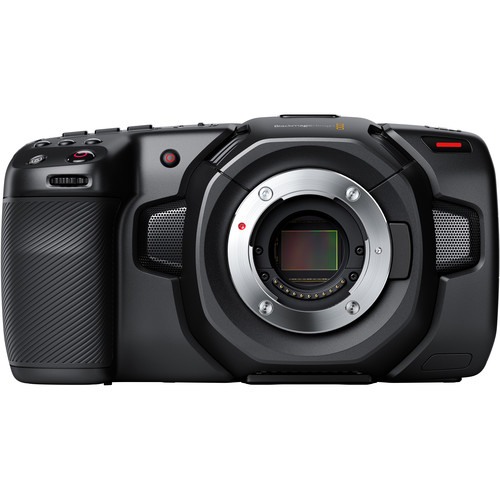
What Made the OG Different
Image and Color Science
The original Blackmagic Pocket Cinema Camera had a Super 16mm-sized sensor that captured 1080p footage in CinemaDNG raw and Apple ProRes 422 HQ. The Super 16 sensor size is part of the charm of this camera. The Super 16 sensor produces a truly filmic image with a grain structure and texture similar to 16mm film stock.
The 13 stops of dynamic range was incredible for a camera at this price point, and to date, that number still holds up against many cameras being shipped today.
Blackmagic color science is always one of the strongest selling points for Blackmagic products, and the original Pocket is where many people first became enamored with it. The footage grades incredibly well in DaVinci Resolve (which ships free with every Blackmagic camera), and the raw files give you a surprisingly large amount of latitude in post. You can push the shadows and pull the highlights in ways that compressed codecs simply will not allow.
For narrative work and short films, this is far more important than the resolution numbers on a spec sheet. Reviewers at B&H have repeatedly praised Blackmagic color science, and have referred to the image quality produced by the current Blackmagic Pocket Cinema Camera 4K as "amazing" even compared to cameras costing significantly more.
Size Advantage
The original Blackmagic Pocket was tiny. It was smaller than most point-and-shoot cameras, making it ideal for situations where you wanted to remain discreet or mobile. Documentary shooters loved it for exactly this reason. You could put a small lens on it, toss it into a bag, and go shoot without being noticed. The current Pocket 4K and 6K models are significantly larger and heavier, so if size is the main priority for you, the OG still takes that prize.
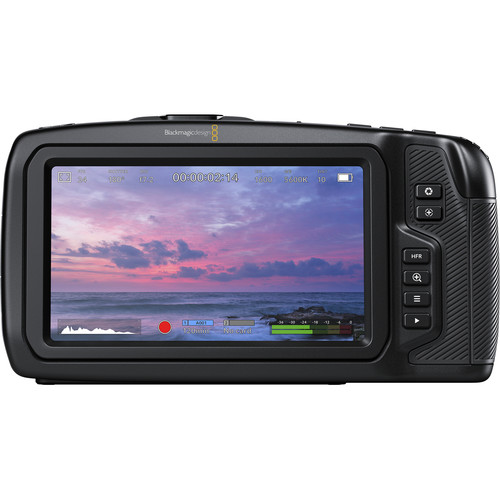
Key Specs
- Sensor: Super 16mm sized
- Resolution: 1920 x 1080 (Full HD)
- Dynamic range: 13 stops
- Codecs: CinemaDNG raw, ProRes 422 HQ
- Lens mount: Micro Four Thirds (active)
- Recording media: SD cards
- Battery: Removable, EN-EL20 type
- Weight: approximately 355g body only
Limitations You Must Understand
Resolution and Frame Rates
The biggest limitation is obvious. The OG Blackmagic Pocket tops out at 1080p, and in 2026, that is a tough sell for a lot of project types. Most clients expect 4K deliverables, YouTube requires 4K uploads for algorithm visibility, and even social media benefits from the additional resolution for cropping and reframing.
If you are producing personal projects or narrative shorts where you control the delivery format, 1080p from the OG still looks great. However, if you are delivering to clients or platforms that require 4K, the OG simply cannot meet those needs.
Additionally, the OG limits your frame rates. You get 30fps at full resolution and 60fps in a windowed crop mode, providing very limited slow-motion capabilities. The Pocket Cinema Camera 4K captures up to 120fps in cropped modes with Blackmagic RAW, representing a huge upgrade if slow-motion is critical for your work.
Battery Life
The EN-EL20 battery was the OG Blackmagic Pocket weakness when it was new, and unfortunately has improved little with age. The EN-EL20 battery is small, and you'll exhaust it in approximately 45 minutes of constant recording. Possibly less if you're recording raw.
Experienced OG Blackmagic Pocket shooters generally carried 6 to 10 batteries for a full day of shooting, or operated the camera on external power via a battery plate or USB power bank. While you can manage it, it adds bulk and hassle to a camera that is intended to be small and easy to use.
Crop Factor and Low Light
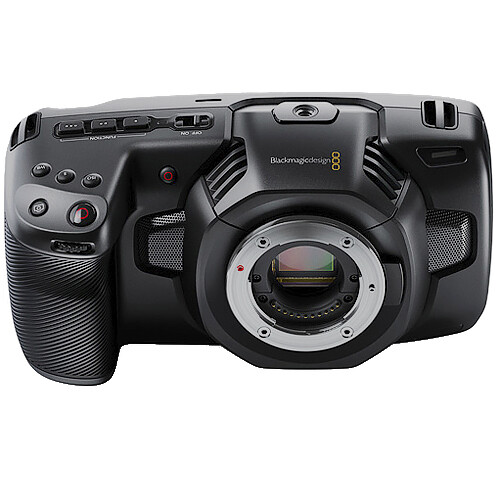
The Super 16 sensor has a roughly 2.88x crop factor relative to full frame. This means that your 12mm MFT lens provides a field of view that is approximately the same as a 35mm lens on full frame. To achieve wide-angle shots, you will need to use very short focal length lenses.
Options for Super 16 coverage lenses are not plentiful. A Metabones Speed Booster reduces the crop factor slightly and gains you about a stop of light. Many OG Blackmagic Pocket shooters believe a Speed Booster is necessary.
Low-light performance is another area where the camera demonstrates its age. Native ISO is 800, and going much above that creates noticeable noise. Because noise is more apparent on smaller Super 16 sensors than larger sensors, you will want to light your scenes properly or tolerate a noisier image.
In many instances, the grain created can look filmic and pleasing, but you cannot remove all of it in post.
Who Should Purchase the OG in 2026
Film Students and Beginners
If you are studying cinematography and wish to learn color grading, exposure and raw file workflow techniques without breaking the bank, purchasing a used OG Blackmagic Pocket is still a fantastic educational resource. The camera is restrictive enough that you will be forced to be careful with exposure (dynamic range is excellent but not limitless), battery management, and working inside technical limitations.
The footage itself will teach you what a correctly exposed raw file looks like, and DaVinci Resolve is free to use. For the price of a used OG Pocket plus a couple of lenses, you receive a genuinely cinematic educational platform.
Short Film Makers
For short films, music videos, and artistic projects where you determine the delivery format, the OG Pocket image still holds up well. There are countless short films that have been shot on the OG, and displayed at film festivals. The 1080p output looks perfectly acceptable on a cinema screen when the exposure and color grading are done appropriately. The filmic texture produced by the Super 16 sensor is actually a characteristic that many shooters actively search for in this type of production.
Who Should Not Get One
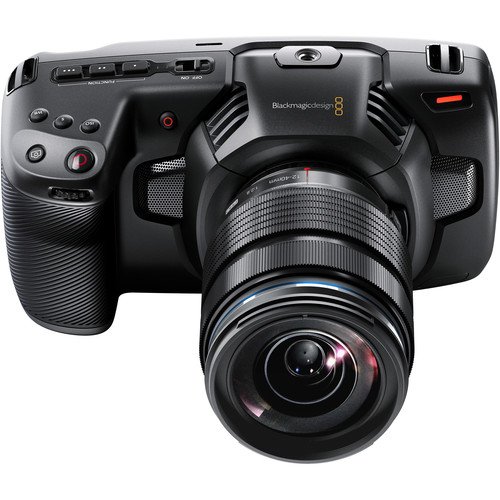
If you require 4K, rely on accurate autofocus, require robust battery life, or need a camera that performs well in low light conditions with minimal supplemental lighting, the OG Blackmagic Pocket is not for you. The Pocket Cinema Camera 4K resolves nearly every limitation of the original, while retaining the same color science DNA as the OG.
Buyers at B&H refer to the Pocket 4K as feature rich with a small footprint, and at present pricing it is a significantly better value for the majority of shooters. Additionally, you receive Blackmagic RAW, which is more versatile than CinemaDNG and consumes less storage.
OG vs Pocket 4K
The Pocket Cinema Camera 4K is the direct successor and the camera most people should purchase today. The Pocket 4K features a larger sensor with dual native ISO to 25,600, shoots DCI 4K up to 60fps, records Blackmagic RAW and ProRes, and includes a 5-inch touchscreen that eliminates the need for an external monitor for many applications. Your existing OG Blackmagic Pocket lenses will fit directly onto the MFT lens mount.
Reviewers at B&H have repeatedly given the Pocket 4K glowing reviews, with users complimenting the image quality and stating the camera produces very nice colors. One reviewer even mentioned he bought a second unit because the camera was so rugged and feature-packed. The only real advantages the OG has over the Pocket 4K are physical size and the unique Super 16 filmic texture that some shooters appreciate.
Used Buying Tips
If you have determined that the OG is the correct choice for you, here are some tips to follow when purchasing used. Test the sensor for dead pixels by capturing a few seconds with the lens cap on and reviewing the resulting footage at 100%. Dead pixels show as white spots in the video and are a typical problem found on older units.
Check the SD card slot thoroughly as damaged SD card slots can result in dropped recordings. Ensure the HDMI port is functioning as the mini HDMI connector on the OG was famously fragile. Lastly, bring spare batteries to the meeting as if the seller's battery is dead you will not be able to perform any tests.
As for pricing in the used market, it varies greatly. Some vendors will price these high due to the camera's nostalgia and the cult status of the camera, while other vendors will price them lowly because they have upgraded to either the 4K or 6K model. Be patient and eventually you will find a reasonable price.
Don't forget to budget for accessories too. At minimum you will want a good lens, multiple batteries, fast SD cards, and possibly a Metabones Speed Booster adapter to minimize the crop factor..
Frequently Asked Questions
Will the original Blackmagic Pocket Cinema Camera record 4K?
No. The OG Blackmagic Pocket caps at 1920x1080 Full HD resolution. If you need 4K, check out the Pocket Cinema Camera 4K which records up to DCI 4K at 60fps and utilizes Blackmagic RAW.
Which lenses work with the original Blackmagic Pocket Cinema Camera?
The OG Blackmagic Pocket uses a Micro Four Thirds (MFT) lens mount. Any MFT lens will physically attach, but remember the Super 16 sensor is relatively small. Large-format lenses tend to create severe vignetting on the OG.
Lenses built for Super 16 or MFT work best. A Metabones Speed Booster will enable you to utilize larger-format lenses while reducing the crop factor and adding about a stop of light.
Does the original Blackmagic Pocket Cinema Camera still make sense for filmmakers?
Yes. For certain production scenarios, yes. Short films, music videos, and personal projects where you are in charge of the final deliverable format, and do not need 4K, will benefit from the OG's superior color science and filmic texture. However, if you are creating content for clients, YouTube, or any requirement for 4K deliverables, you would be better served with the Pocket 4K or 6K G2.
How can I extend the battery life on my original Blackmagic Pocket Cinema Camera?
Purchase a lot of EN-EL20 batteries (aim for at least 6 to 8 per full day of shooting), or run your camera on external power via a battery plate or USB power bank. Several experienced OG Blackmagic Pocket shooters use both approaches to achieve extended runtime. Running the camera on external power also cools the camera sensor, improving performance.
What LUTs should I use with the original Blackmagic Pocket Cinema Camera?
Blackmagic provides a set of LUTs specifically designed for their cameras, and they are a good starting point for grading the OG Pocket footage. You can also locate third-party film emulation LUTs that take advantage of the camera's wide dynamic range. DaVinci Resolve (free with every Blackmagic camera) allows you to work with the raw files natively and offers the greatest degree of latitude when grading your footage.
Should I purchase the original Blackmagic Pocket Cinema Camera, or the Pocket 4K?
For the majority of buyers in 2026, the Pocket 4K is the more logical purchase. The Pocket 4K addresses each of the major limitations of the original (resolution, battery, low light, frame rates) and maintains the same Blackmagic color science as the OG.
The only reasons to pursue the OG specifically are if you desire the Super 16 look, need the smallest possible form factor, or are operating under an extreme budgetary constraint and do not require 4K. Check current Pocket 4K pricing at B&H.