
A Review of the Blackmagic Pocket Cinema Camera 6K Pro: The Beast With Internal NDs
The Blackmagic Pocket 6K Pro looks like a stills camera but behaves like a cinema camera, and that's both its appeal and its catch. It records high-quality RAW files and adds built-in ND filters, which makes it tempting for anyone who wants a cinematic image without a cinema budget.
The catch is everything around it. Its battery doesn't last long, the media has to keep up with big files, and a working kit needs more than what comes in the box, so the real price is higher than the sticker.
Below is how the image holds up, how to deal with the battery and media, and who the 6K Pro fits in 2026.
The Blackmagic 6K Pro is the lineup's most powerful tier - internal ND filters, a tilt screen, an EF mount - and at 4.6 across 239 ratings it draws owners upgrading after six years on older bodies.
The sample is smaller than the OG's 758 but deeper in expertise: working shooters, not first-time buyers. 'This camera is so perfect I almost don't believe it's real,' one writes, with the caveat attached: 'you have to buy all these other things for it.'
Image Quality and Sensor Performance
The 6K sensor records BRAW that one owner has called a beast with insane quality, and the resolution holds when you crop. Another owner who shoots opera and classical masterclasses in 6K has used the extra resolution to zoom in during editing without losing quality, which works perfectly for reframing.
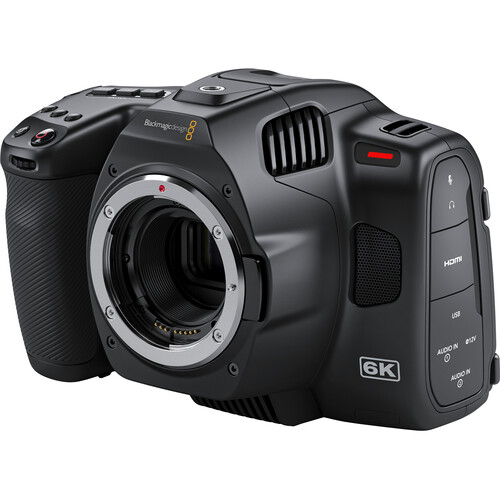
Dense 6K data means virtual reframing stays clean - reframe in post instead of getting the shot perfect on set, which is the difference between a usable take and a costly reshoot when the subject moves. For solo shooters that margin is the whole argument - you frame once and crop forever, which is how one opera shooter survives a fixed-glass stage.
And it plays well with the rest of the Blackmagic family: 'the picture quality makes it a good companion to the G2 4.6K,' one owner notes, and another runs it alongside a 6K G2 and a 4K without any file-handling friction - the same file formats flow into DaVinci Resolve natively, which is half the reason to buy into this ecosystem.
The sensor's handling of light and texture reads professional in a way spec sheets cannot show, and BRAW files give you the grading room to match.
The camera line's spec pages document the sensor, but the files tell the story. The 30-year veteran has owned 'other BMD gear for years' and pairs this body with a Studio 4K. A Japanese timelapse shooter describes the color as clear and translucent, without muddiness, through a Canon half-macro 50mm - a fair description of what the panel delivers.
The Battery Problem and Media Strategy
Batteries are the known weak flank: 'NP-F550 widely available ones are pretty hopeless. I wish it would take other type of battery!' one owner reports, and the 30-year veteran adds 'I do recommend getting additional batteries.' Budget spares from day one, because a dead cell mid-take is the failure mode this body is known for - the OG 4K owners report the exact same battery math.
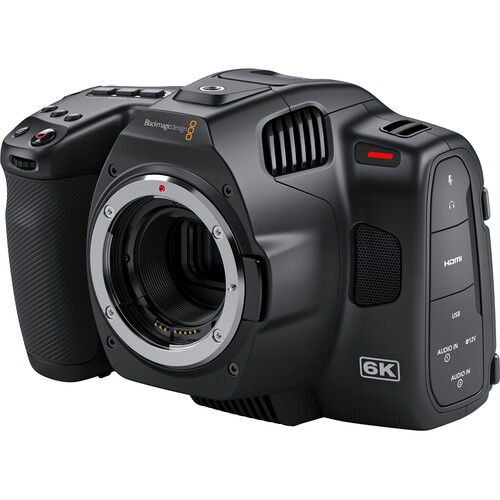
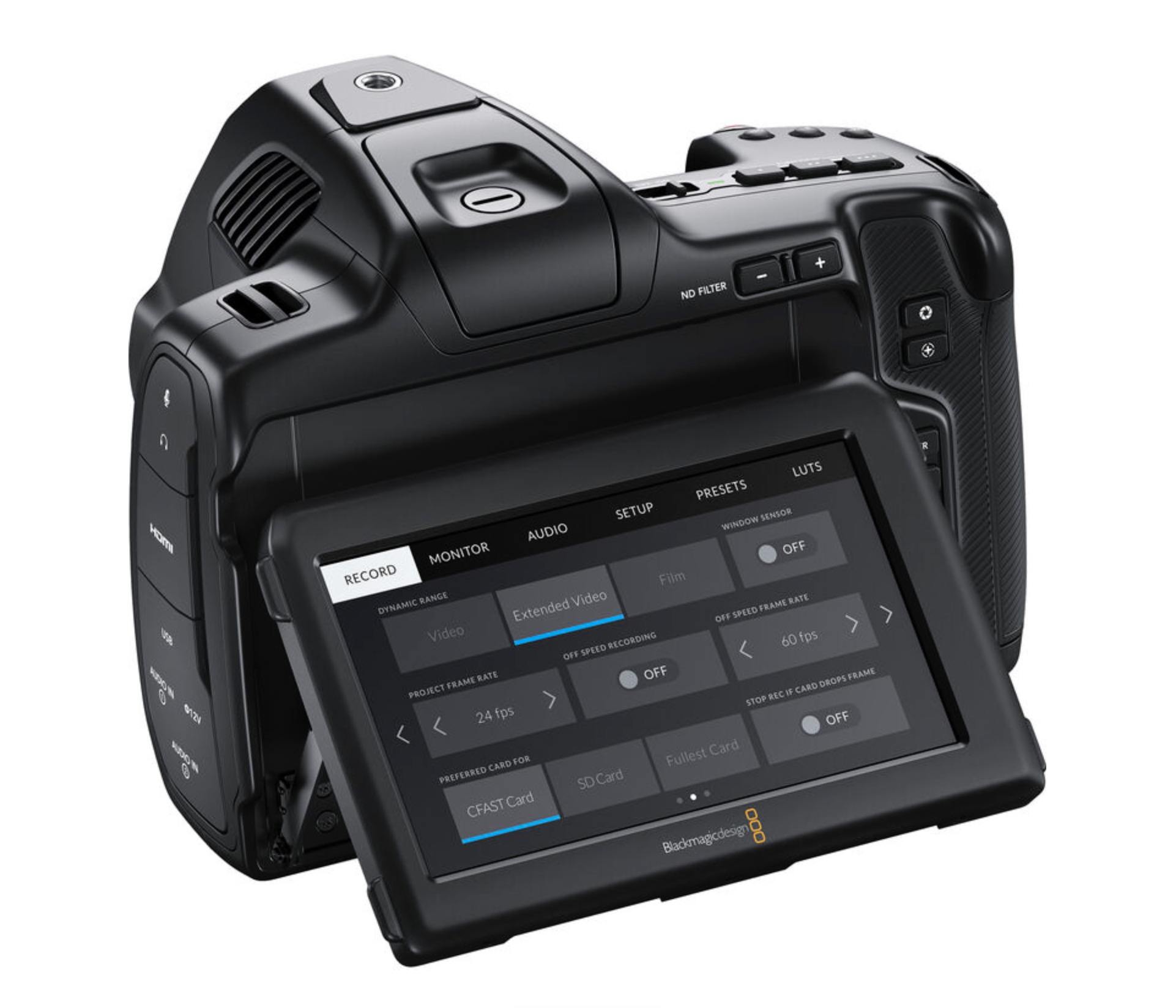
Two owners record to a Samsung T5 SSD over USB-C, one of them on a 2TB drive at the lowest BRAW quality setting for long-form work. A T5 costs less than a stack of fast SD cards and holds a full shoot, and the USB-C connection also powers the body from a bank in a pinch. The external SSD guide covers which drives survive a full day of BRAW writes.
Plan for power and storage before the camera ships, because the box alone doesn't make a working kit, and owners have made that complaint in more than one language.
Check B&H's current 6K Pro pricing and Blackmagic's own page before budgeting the kit, because the accessory math changes the decision. Budgeted early, the extras are invisible. Discovered mid-shoot, they stop the project.
Who the 6K Pro Fits in 2026
As a multi-cam center camera it works - one owner bought it exactly for that role: 'It's large and stays on a tripod most of the time. The LCD touchscreen is very bright and the menu system is well organized.' Weight is a feature here - nobody carries this body handheld all day, and it was never trying to be that kind of camera - the OG covers the run-and-gun role at half the heft.
One owner has described the learning curve best: it's a beast that you don't master in a second, but within minutes you can get almost anything done. Another has said the camera speaks for itself, with fantastic results and excellent files.
The EF mount takes glass you may already own, which softens the true cost of entry - and the lens guide covers what pairs well with a speedbooster. The internal NDs are the reason the Pro exists: 'the Pro I got only in case I go to film anything outside just to have these internal NDs but it's a beast,' one multi-body owner explains.
The Japanese timelapse shooter adds that the tilt screen and built-in NDs are exactly why they chose the Pro over the G2 - the screen matters as much as the filters when the camera sits low on a tripod.
Frequently Asked Questions
Is this camera still worth buying in 2026?
Buying this camera remains a smart move in 2026 at the crossover point between used units and new stock - one owner calls it 'well worth it' as a first upgrade after six years, and the internal NDs still have no cheaper equivalent in the Pocket line. Check current pricing before deciding, because the used market moves fast on this body, and the G2's arrival reset the tiers across the whole line.
How good is the battery life?
The NP-F550 batteries are the known frustration - 'widely available ones are pretty hopeless' per one owner, draining too fast for long takes. Plan on several spares or move to a dummy-battery rig for anything that runs all day - the veterans who praise everything else about this body still say the batteries first.
Does it work for documentary filmmaking?
For documentaries it 'fits the bill - almost,' as one owner put it: no useful autofocus is fine, but auto-exposure is the missing piece when light changes constantly and nobody is manning the camera. Manual exposure discipline is the price of admission - the owner who needs unattended cameras runs auto-exposure on other bodies and treats this one as the manned unit.
Are internal NDs better than screw-on filters?
Internal NDs are the primary reason the Pro exists - no screwing variable glass onto every lens, no f-stops sacrificed in daylight - the filter wheel sits behind the mount, so every lens benefits. One owner bought the body for exactly this reason, and the timelapse shooter praises the combination of tilt screen plus built-in ND as unique in the line at launch.
What is the difference between the Pro, G2, and OG?
The Pro adds internal ND filters and a tilt screen that the OG and the G2 lack - the OG shoots the same sensor family in a smaller body, while the G2 swaps the mount to L. If outdoor work without screw-on filters is the job, the Pro is the pick. If the glass collection is L-mount, the G2 wins. If budget decides, the OG 4K remains the entry point.