
Blackmagic Pocket Cinema Cameras: 4K vs 6K G2 vs 6K Pro
Blackmagic's Pocket Cinema cameras look so alike that it's easy to buy the wrong one. They share the same basic shape, the same RAW recording and the same free copy of DaVinci Resolve, but they differ in sensor size, lens mount, screen and whether ND filters are built in.
Those differences decide how each camera works on a real shoot. The cheapest one suits a tripod and a budget, while the more expensive ones earn their price outdoors and with lenses you may already own.
Below is the entry point, the bigger-sensor middle option, the one most filmmakers should buy, and how the lens ecosystems compare.
The Pocket 4K is the cheapest door into real cinema cameras, the 6K Pro is the one most filmmakers should buy thanks to built-in ND filters and a 1500-nit screen, and the 6K G2 splits the difference with a bigger sensor but none of the Pro's outdoor comforts. All three include DaVinci Resolve, which remains the quiet value in every Blackmagic purchase.
The Pocket 4K: Best Entry Point Into Cinema Cameras
To start in professional video without spending a fortune, this small Micro Four Thirds camera is a way to get high-end results on a tight budget. It's a legitimate cinema tool that gives you pro features, usually reserved for much more expensive gear today. You get a full version of DaVinci Resolve in the box, which helps you edit your footage right away.
Many buyers say the image quality per dollar is hard to beat, and the 4.7 rating from 757 buyers is the deepest sample of any camera in this guide.
While the sensor is smaller than some of the newer models, it still produces a look that makes your projects feel like real movies rather than just cheap home videos. The micro four thirds mount opens a huge used-lens market, and the small primes keep the rig light. This camera keeps working for those who need to learn the craft, without losing their life savings.
Choosing this tool means you're betting on a solid base that grows with your skills until you finally decide you need to move up to a bigger body.
You'll save enough against the 6K bodies to buy lights and a microphone - the two upgrades that show up on screen faster than a sensor swap does. If you skip this step, you might find yourself paying too much for gear you do not yet need. It is the smartest way to start while keeping your bank account happy.
The Pocket 6K G2: Bigger Sensor, Fewer Features
The 6K G2 offers a larger Super 35 sensor compared to the entry tool, yet it lacks the bright screen and built-in ND filters that you find on the more expensive Pro version.
One buyer calls it a work beast worth every penny, paired with DaVinci Resolve. This camera helps people make great movies even though the rating stays a bit low. Since it uses an EF mount, you have a lot of lens glass to choose from.
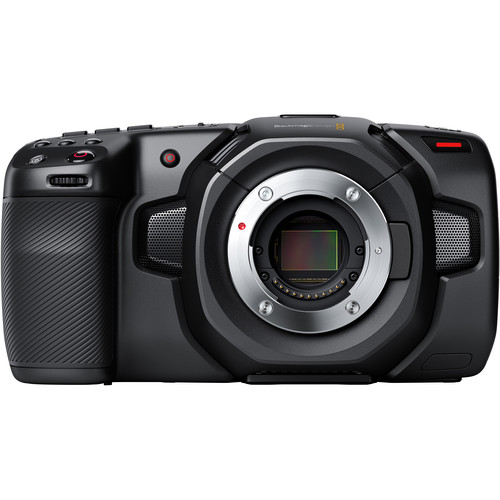
The image quality holds up, but one reviewer has called the battery life terrible and runs a V-mount battery to power the rig through full days. That flaw matters for long shoots. The same owner calls the V-mount fix easy, so budget for the battery plate and one brick on day one and the problem disappears.
You might pick this gear if you want to save money, but you must accept that you lose the internal ND filters and the bright screen found on the Pro camera. The body keeps the tally light and mini-XLR audio ports, which matter for anything beyond a solo shoot. It is a strong choice if you already own EF lenses.
The Pocket 6K Pro: The One Most Filmmakers Should Buy
The Pocket 6K Pro stands out as the best choice for most people - Blackmagic Design's product pages list the full spec - because of the built-in ND filters and the 1500-nit screen that makes sunlight workable.
You can see your shot clearly even when the sun is harsh, which helps you get the right exposure on the fly. These internal tools save you time, because you don't have to swap filters every time the light changes a bit. It works for you when you need to move fast on a busy set.
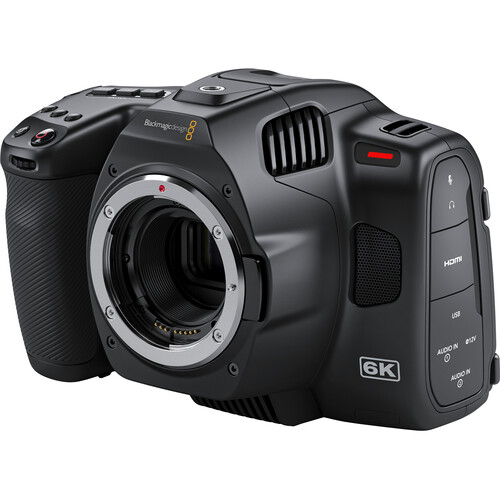
Many filmmakers find the menus here very well organized, which helps them find settings quickly without wasting time while the crew waits for the director to start. You can record Blackmagic RAW directly to an external T5 drive over USB-C, which keeps your files small and very fast. The workflow stays smooth, and the SSD route ends the constant card-swapping of smaller cameras.
One reviewer uses this camera as a center piece on a tripod for multi-camera shoots, and it stays steady and keeps working throughout the long day of filming. The Pro model covers professional cinema work in a body that still fits a small bag, and most working owners land there for exactly that reason.
Choosing and the Lens Ecosystem
Choosing between the Pocket 4K and the 6K series means you must decide if you want a Micro Thirds mount or an EF mount, which changes what glass you buy.
The 4K uses MFT glass, so you can find small and light primes that fit the body well. Since the 6K line uses EF mounts, you tap the huge used-EF market - the EF lens guide covers the value plays, and B&H's cinema camera category shows where the bodies price out. You might save money by picking cheap MFT lenses if you're just starting out with film.
For frequent outdoor shooting, the 6K Pro is the clear winner because its built-in neutral density filters control light without bulky screw-on gear. The G2 and the 4K lack these filters, so outdoor work means glass NDs for every lens. Indoors, the difference shrinks.
A smart path for a tight budget is the Pocket 4K with a few fast MFT primes, which shoots footage that punches far above its price.
Add the V-mount battery from the start rather than after your first dead-camera afternoon. If you have more money, the 6K Pro paired with used EF glass offers a more professional look. The Pro earns its price for shooters who want the fewest compromises outdoors.
Frequently Asked Questions
Which camera is best for a beginner?
The Pocket 4K is the ideal entry point because DaVinci Resolve ships in the box - the included license is worth hundreds by itself. You'll get professional image quality without spending a large budget on extra software subscriptions or expensive tools.
How good is the autofocus on these cameras?
The contrast-based autofocus is weak for fast subjects, so you should plan for manual focus pulls while choosing lenses like cheap MFT primes or used EF glass. Manual control ensures your shots stay sharp and professional throughout the entire production cycle.
Is the battery life actually that bad?
Battery life is reportedly terrible on these units, but many owners use a V-mount battery fix to solve the problem effectively. This power setup keeps the camera running through long days of shooting without constant interruptions or power failures.
What is the difference between the 6K G2 and 6K Pro?
The real differences between these two models are the built-in ND filters and the much brighter screen found on the Pro version. The G2 saves money at the cost of the ND filters and screen brightness that working shooters use every day.
Do these cameras overheat during filming?
Overheating stays manageable with ventilation and breaks, though long takes in warm rooms remain the risk case for these bodies. Keeping the air moving prevents shutdowns during the scenes that matter most.