
Best Cheapest Video Camera: ZV-1F, R50, Pocket 3, and the Wildcards
Most people looking for a cheap video camera are trying to beat their phone or their webcam, not a cinema rig. They want better sound, a bigger sensor or a lens that does something the phone can't, without paying for features they'll never use.
Cheap cameras get there by cutting corners somewhere, and the trick is knowing which corner you can live with. Batteries that die fast, bodies that overheat on long takes, and grips built for small hands all show up in the owner reviews at this price.
Below are a budget vlog camera, a mirrorless step up, a pocket gimbal, and two wildcards worth a look.
The Sony ZV-1F is the most affordable video camera worth owning right now because a buyer has noted it's a fantastic upgrade from webcams, and the low cost remains the strongest reason to buy.
While other mirrorless bodies or pocket tiers offer more features, this budget pick serves those who need quality without breaking the bank. You don't need high-end gear to beat a phone or a webcam - you need the right cheap camera, and the ZV-1F is the one the buyers keep naming.
Sony ZV-1F: The Budget Vlog Standard
One buyer has called it a great budget camera for getting started and a step up from iPhone recording, though the battery dies fairly quickly.
Another owner has said that after years with clunky DSLRs and mediocre phone video, the ZV-1F completely changed how they create content. One more has called it an excellent choice for moms who want great quality without a complex setup.
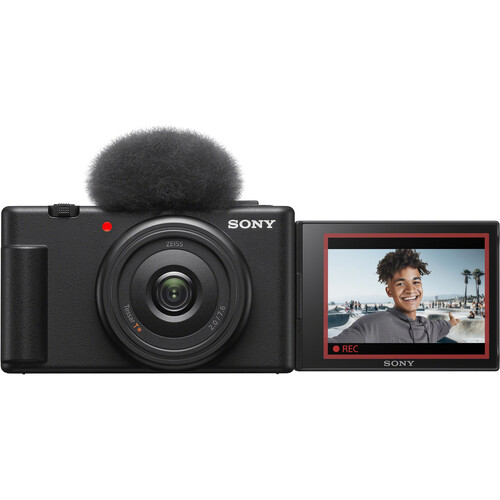
'I've been using this as my primary camera on Twitch streams for years now, and it's been a fantastic upgrade from webcams. The improved zoom, field of view, and depth of' field - the streamer's spec list, cut off mid-sentence but complete in meaning.
The camcorder-tier alternative is the step up if the fixed lens chafes. One Spanish-speaking owner has said it competes with mid-range phones from 2023, and anyone coming from a high-end phone will notice lower image quality.
The box may skip the small deadcat for the mic ('some parts are missing like samll deadcat fro noise cancellation'), and 'Battery dies sort of quickly' means buying spares.
One downside is that the hotshoe is cold, which means you can't attach any type of flash to the top of the body while filming your home videos. That limit matters if you run pro lighting. Even with it, the ZV-1F stays the budget pick for beginners - the price does the deciding.
Canon EOS R50: The Half-Price R8
An owner has said they fell in love with its color, compact size and light weight from the moment they unboxed it
It feels like the bigger R8, but it costs only half the price for those who want to save money. This tool works great with your old EF lenses, so you can use gear you already own. It's a great pick for vlogging, if you want a very simple start today.
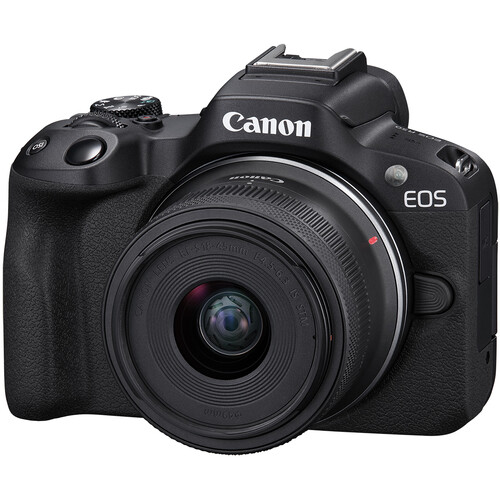
One frustrated owner, who works in outdoor sports media, has found it too small for adult hands and has said it's easy to hit buttons that ruin a shot. Consider your hand size before checkout.
Past thirty minutes of record time, one user has warned, it will overheat and shut down. It might ruin a long shoot or an important interview. Watch the timer, keep takes short, and the quality holds for daily filming.
DJI Osmo Pocket 3: The Pocket Tier
You might grab this small tool thinking it's just a basic toy - 'When I first bought this, I thought "oh cool, it's just a small camera" - but honestly, this has completely changed the way I record video and create content.'
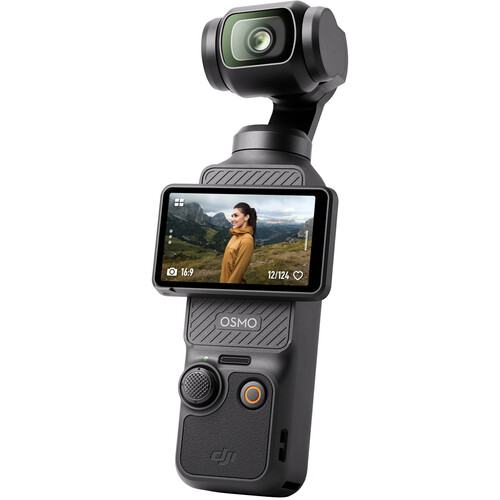
That is the whole review, and the 1-inch sensor is the reason: '4K videos with great sharpness and very natural' color, per the spec-focused owner
An owner who has had other mini-gimbal cameras has found the DJI beefier and better, with faster focus, though you have to register it
The registration is a DJI-account hurdle, not a hardware one, and it takes about two minutes.
A buyer has said it exceeded their expectations, with excellent image quality thanks to the 1-inch sensor, and [PetaPixel's compact-camera coverage](https://petapixel
A great camera for something quick, compact and convenient, one owner has called it.
The Wildcards: G100 and R50 V
Bought Like New on Amazon and well worth the price, one owner coming from other Panasonic Micro Four Thirds cameras has called it a good addition.
A beginner has said the photos look nice and the menu is pretty logical, and another owner has found it very light and user friendly. One frustrated owner has pointed out an odd limit: there's no setting to let the mechanical shutter work without a lens attached.
The owner has summed it up as all the features of a DSLR in a slightly smaller body, with a reasonable lens selection and great quality video, as long as you know how to edit
You might find the R50 V great because it offers 10 bit color and clog3, which gives it image quality that rivals much more expensive stablemates from the Canon lineup. It's so light that it feels cheap, but that weight makes it great for fast moves.
An owner has said 10-bit color, C-Log3 and updated autofocus give it the image quality of Canon's much more expensive cameras, and that it pairs well with the Sigma 18-50mm F2
Another has called it the best money they've spent on a camera, and one has shot a kingfisher and the moon with a 150-600mm Tamron lens on an adapter. Check B&H's camera stock for the tier prices.
Frequently Asked Questions
What is the cheapest video camera worth buying?
One ZV-1F buyer has called it a great budget camera for video, a good way to get started and a step up from iPhone recording. The G100 on the used market undercuts it further if you accept the quirks, and the R50 V is the same tier with better color.
Is the ZV-1F better than a phone?
'Si vienes de un telefono de gama alta notaras que la calidad de imagenes de la camara es inferior' - if you come from a flagship phone, the images read worse. Against mid-range phones and webcams, it wins. PetaPixel's compact-camera coverage reads the same trade from the photo side.
R50 or R8?
The owner considered the R8 but chose this one at half the price, as maybe less complicated for non-professionals, and it works great with their EF lenses
Pocket 3 or mirrorless?
'I've had other mini-gimbal units and have to say the DJI just feels beefier and better' - against its own class it wins. Against mirrorless, the trade is lenses versus convenience - the lens-field guide covers the glass side, and the budget-tier field carries the rest of the kit. Check B&H's camera stock for both tiers, and PetaPixel's stabilization coverage reads the mechanical-versus-digital trade from the photo side.
Which one for a beginner?
The ZV-1F for pocket money, the R50 for lens ambition, the Pocket 3 for the bag-free kit. One R50 V owner has called it great for beginners and fun for veterans, and that covers the whole field.