
The Best Video Camera for Filmmakers: FX30, FX3A, C70, BMPCC 6K Pro and S5IIX
A filmmaking camera isn't just a better video camera. It's the center of a rig: it has to take the lenses, monitors, audio and storage you build around it, hold up on long days, and give you files that grade well when the shoot is over.
The cameras in this space range from compact cinema bodies to full-frame hybrids and box cameras, and owner reports matter more than spec sheets here. Built-in ND filters, card formats, build quality and how many people actually own each camera tell you more than another line of specs.
Below are the value pick, a full-frame step up, a built-in-ND option to check carefully on arrival, and two specialist paths.
The Sony FX30 is the verified value pick - a 4.8 rating across 547 owners is the deepest sample in this guide. The FX3A is the full-frame step up, the Canon C70 earns its place with built-in ND filters despite rough build complaints, and the Blackmagic 6K Pro plus Lumix S5IIX cover the specialist paths. Every number below comes from verified owner reports.
Sony FX30: The Verified Value King
The trust here is earned in volume: 547 owners rate it 4.8, and most treat it as their primary budget cinema body. One owner who has shot 45-plus podcasts on it calls it 'legitimately one of the best if not the best cameras on the market,' citing autofocus, in-body stabilization and menus that move fast.
Owners describe it as a mini cinema camera: S-Cinetone color, dual base ISO and a body that reads like a pro rig on a small-budget invoice. The cine-EI exposure mode keeps exposure simple for creators stepping up from mirrorless bodies - our Blackmagic LUT guide covers the grading half of the same workflow.
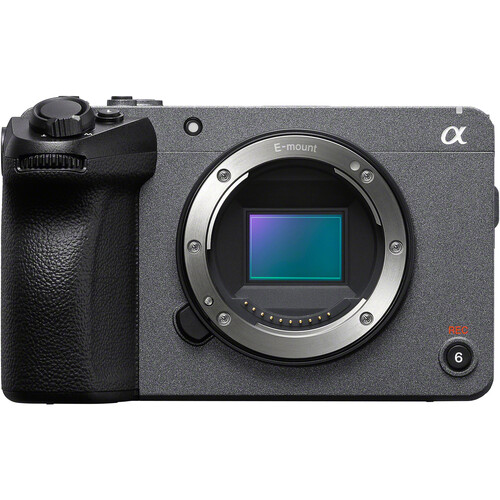
A verified church-media buyer runs it with an Atomos Ninja V recorder and a Rode Videomicro, and found the autofocus perfect when paired with Tamron lenses - touch-to-focus on the screen included. That combination matters for anyone filming long events, where a focus miss mid-service has no second take.
A course creator built a home studio around this body instead of renting studio time, because it delivers professional results without high-end cinema pricing. The owner shot an entire online course against a 75-inch TV backdrop instead of renting a studio - the camera paid for itself against rental costs on the first project, and the savings went to lighting.
Sony FX3A: The Full-Frame Step Up
This is the classic full-frame filmmaker pick, but honesty first: the only verified Amazon sample here is a renewed listing with four ratings, so the depth of evidence does not match the FX30's.
Step up to this body when low-light work drives the calendar or when the glass you own is full-frame E-mount - our a7III lens guide covers that glass from the stills side. The larger sensor keeps dark rooms clean where smaller sensors stack noise, and it opens the full-frame E-mount ecosystem Sony builds the Cinema Line on.
When the work doesn't need full frame, stick with the FX30, which delivers the same cinema tools for much less. That budget option uses the same professional tools as the more expensive rig, so you'll save some serious cash. Pay the step up only when the work demands the depth and low-light headroom that full frame provides.
Canon EOS C70: Built-in NDs, Verify on Arrival
The owner's praise for the built-in NDs and audio is genuine - and the 3.4 rating reflects verified hardware failures, not image quality.
The flip-out hinge is loose after just a handful of opens and closes - a wear pattern that showed up before the camera left its first month, on a body meant for daily field work, one user has found.
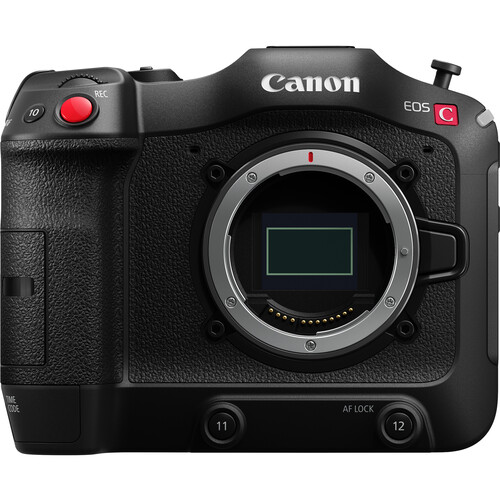
There is no in-body stabilization here, and the digital version falls short of what the marketing claims - one buyer says it is 'not working as advertised,' so handheld shots stay shaky without a gimbal. The camera also lacks a CFexpress slot, so heavy BRAW files go on slower cards - and one buyer's warranty paperwork arrived in Portuguese, valid only in Brazil.
Do not expect the sensor to flatter dark scenes - the buyer says so directly - but the built-in ND filters make it genuinely tempting for bright daylight work where a swap filter costs minutes.
Since the sample is small - 17 ratings - verify the return window before spending, and check B&H's current C70 pricing against the used market - the complaints above argue for buying where returns are easy. Inspect the sensor the moment the box opens - a buyer has found a scratch on a factory-sealed body and had to fight the return process.
Blackmagic 6K Pro and Lumix S5IIX: The Specialists
Blackmagic's 6K Pro works as a solid multi-cam center camera - the bright LCD reads in daylight, and BRAW records straight to an external Samsung T5 over USB-C. Owners rate it 4.6 across 239 buyers, and the verified use case is exactly this: a locked-off multi-cam center camera recording BRAW to an external SSD.
It stays useful when you need high-quality footage without a complex menu - the bright touchscreen and organized settings earn repeated praise from owners who live in the menus all day.
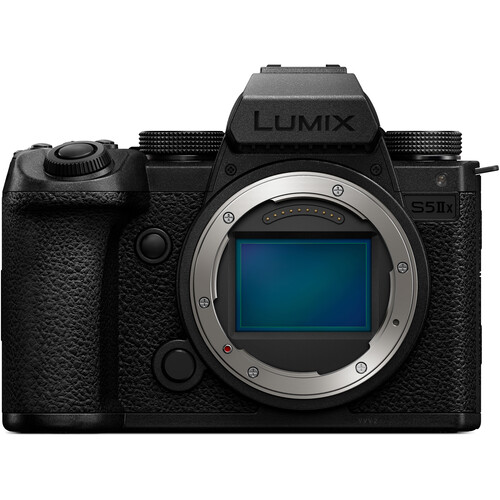
The Lumix S5IIX earns a 4.7 rating from owners who call it almost the perfect camera. One owner's spec rundown sells it: Netflix-approved for streaming productions, timecode in and out, and ProRes at 1.9 gigabits per second recorded straight to a USB SSD - no CFexpress slot, but the SSD path fills that gap.
A working real-estate shooter praises the Lumix IBIS as incredible - it keeps walkthroughs steady through tight indoor spaces without a gimbal. Both bodies serve filmmakers who want more than a basic camera - the Blackmagic for raw workflows on a budget, the Lumix for a hybrid that shoots stills and video without a second body.
Multi-cam rigs built around either body can pull their feeds through the capture cards in our streaming guide, which keeps the encode off the camera entirely.
Frequently Asked Questions
Is the Sony FX3A worth the upgrade over the FX30?
Only if full-frame depth and low-light headroom drive your work - the FX30 shares the color science and the cinema ergonomics at a lower price, and its 4.8 rating across 547 owners is the strongest verified sample in this guide.
Can you use these cameras for photography too?
The Lumix S5IIX is the strongest hybrid - one buyer shoots real-estate stills and video on the same body. The FX30 and FX3A shoot stills but their ergonomics and audio layouts are built for video first.
Do I need a cinema camera or will a mirrorless body work?
A cinema body buys you built-in NDs, XLR audio paths, timecode and better codecs - the C70's owner put it plainly: once you have built-in NDs and audio it is really hard to go back. If you film talking heads in controlled rooms, a mirrorless body with good AF covers it.
Which camera has the best autofocus for video?
The FX30's verified reports praise autofocus repeatedly - one church-media owner calls it perfect with Tamron lenses - and the S5IIX's phase-detect AF earns similar words from a working real-estate shooter.
Is the Canon C70 still worth buying in 2026?
For the built-in ND workflow, yes - but verify the hinge and sensor on arrival, confirm the return window first, and know the verified complaints: no IBIS, no CFexpress slot, and warranty paperwork that may not cover your region.