Best Monopod for Video: X-Pro+, Cobra 3 and Neewer Compared
A monopod is the support people forget about until they're in a crowd. At a wedding, a concert or a busy street, a tripod takes up too much room and too much time, and handheld footage gets tiring and shaky after the first hour.
A video monopod sits in between, and the good ones do more than hold the camera up. Models with a small fluid base let you pan smoothly while the monopod stands on its own, and a fast leg lock decides whether you catch the moment or miss it.
Below is why a monopod beats a tripod for some jobs, the top pick, a premium fast-lock option, a budget pick, and what to look for.
The Manfrotto X-Pro+ is the default for events and docs, while the iFootage Cobra 3 Strike offers pedal-speed for tight spaces, and the Neewer model is the pick when the budget leads. You'll prioritize a fluid base over a rubber foot because smooth panning is what actually matters when you're filming. The right choice comes down to whether pedal-lock speed matters more than price.
Why a Monopod Beats a Tripod for Certain Video Work
Moving through thick crowds or chasing a quick shot, a monopod sets up much faster than any heavy tripod can.
Many owners say they swap their tripods for these tools in travel kits, because they need to stay light and move fast. You can grab your gear and go instantly, which helps when you're chasing a fleeting moment on the street. Being so fast makes this tool perfect for run-and-gun work where every second counts toward your final video edit.
The trade is stability when you let go of the camera to adjust settings. You have to keep a hand on the rig to keep the shot steady, while you walk through the scene. If you're shooting alone, you'll find that how the weight sits is the hardest part to master right.
Manfrotto X-Pro+ Video Monopod: The Top Pick
Manfrotto's X-Pro+ page has the full spec sheet. The monopod holds a four-point six rating from nearly three hundred verified users, which proves it stays popular under heavy use.
Many wedding videographers own two of these units because they need something light that they can carry during long days. One owner has even mentioned they replaced a full tripod in their travel kit since it's surprisingly stable for their gear. It works wonders for quick b-roll and documentary work, where you have to move fast without losing focus.
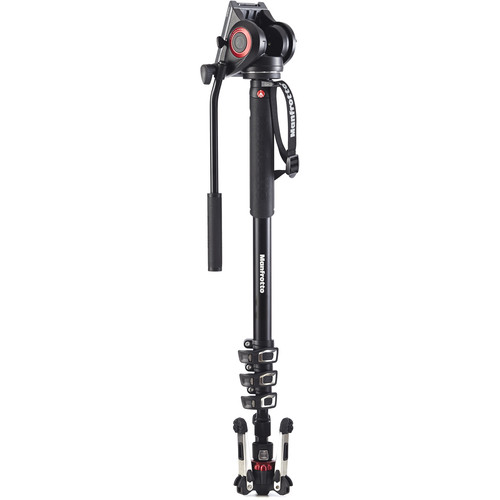
You'll find that this tool stays sturdy even when you attach larger lenses, which is a big plus for those who shoot heavy cinema rigs that usually wobble on cheaper stands. The fluid base lets you pan smoothly, so it feels much better than using a simple rubber foot for video work. Aluminum weighs more than carbon fiber, but portability still surpasses everything for people who walk everywhere.
Some users have noted that the foot pad wears down after a couple of years, which means it's a wear item that you might need to replace later on during filming. One buyer simply bought a replacement part when the old one stopped locking properly, after months of use. That balance of weight and speed makes it the best pick for event and documentary work.
Cobra 3 Strike from iFootage: The Premium Speed Pick
iFootage's Cobra 3 lineup includes the Strike model. It holds a 4.4 rating from 14 reviews (a small sample), but the one-touch lifting pedal really helps people who need fast speed.
One parent shooting sports photography said the pedal changed their workflow, because they can adjust the height quickly during a game. You don't have to struggle with levers or screws, since the snap-on baseplate lets you click your camera in fast. This speed makes the tool stand out, especially when every second counts during a busy live video shoot.
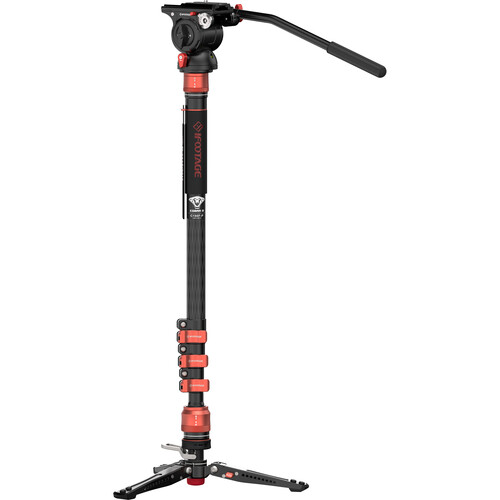
Even though it is built for speed, this monopod stays stable in tight spaces like labs or real estate shoots where you have very little room to move. It keeps the shot steady during daily work, which is why many pros trust it for their professional projects.
You'll find it useful in cramped environments, because the build feels firm even when you are pushing it around. It's a solid tool.
Some buyers have noted that the tool is too long to fit in a standard suitcase, which might be a problem if you travel a lot for your work.
A reviewer has mentioned the locking sleeves get sticky, so you'll need to use some muscle to move them. One person reported a defective pedal, so you should test the lift and sleeves when the gear arrives from Amazon. Speed is the main draw, so check the pedal and sleeves before the first use.
Neewer Professional: The Budget Pick
For a sturdy monopod that won't break the bank, this Neewer stands out with a 4.6 rating from over three hundred buyers on Amazon. It has the largest sample size in this list, which means the feedback reflects many different types of gear. Many users have noted that the build feels solid, and it packs away nicely when you use the included case.
You can trust it to handle daily use because it keeps working even after long days in the field.
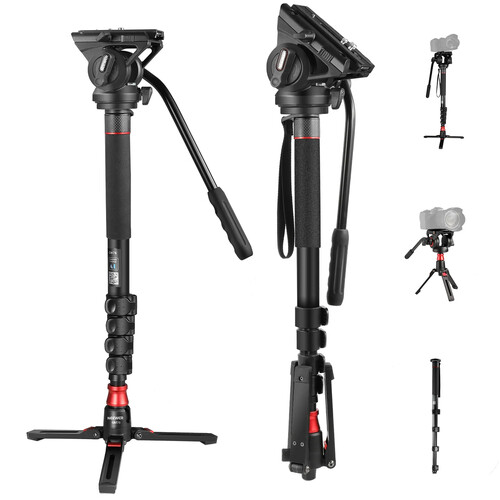
One buyer has found that this gear handled a loaded Lumix S5 interview rig without any trouble, proving that it can support more than just small and light digital cameras.
In fact, this budget tool outlasted a much pricier main stand, when used as a backup. It works well for run-and-gun shoots, where you need to move fast but still want a steady frame. It's a great value.
While it works well for lighter gear, the head is heavy and cannot be removed, which might bother those who want to swap out different heads later.
A film shooter expressed doubts about the balance, when they put heavy bodies on this specific piece of gear. If you plan to use heavy cinema builds, you should probably skip this option and look for something else. Stick with it if you shoot mirrorless and want a sturdy stand for a low price.
What to Look For in a Video Monopod
A fluid base is much better than a rubber foot because it lets you pan the camera without using your hands, which keeps your shots smooth while you move. Both the Manfrotto and the Cobra have this feature, so you can get professional results for your video.
A cheap rubber foot just stays put, which makes it hard to follow a subject in a busy scene. You want a head that glides.
You should check the total weight of your heaviest camera and lens before you buy anything, because an undersized monopod will shake under the load.
The Neewer model has a heavy head, which might affect the balance if you use a light camera body. If the gear's too heavy for the pole, you'll struggle to keep the shot steady all day. A level rig keeps shots steady while you walk and film.
Aluminum's fine for most people, but carbon fiber saves weight if you need to carry your gear over long distances even though it costs much more than the metal models.
The Cobra's too long for a suitcase, which is a big problem if you travel by plane. You should look at the length of the pole to make sure it fits in your bag. Pick a size that works for your life and your camera needs.
Frequently Asked Questions
Can you get smooth panning shots with a monopod?
Yes, with a fluid base. The X-Pro+ and Cobra 3 both let the camera glide while you stay hands-on, and one verified X-Pro+ owner pans hands-off using the base alone.
Is a monopod better than a gimbal for video?
They solve different problems. A gimbal floats the camera for moving shots. A monopod gives you speed, reach and a rest between takes. Documentary shooters often carry both.
What height should a video monopod be?
Match your eye height plus the head stack. The Neewer reaches 70.5 inches, which covers most standing operators.
Do I need a separate fluid head for a video monopod?
The X-Pro+ and the Neewer include one. The Cobra 3 Strike's pedal base pairs with your own head - one buyer runs a Manfrotto head on theirs.
Are carbon fiber monopods worth the extra cost?
For travel weight, yes. The verified X-Pro+ owners stick with aluminum and still call it portable, so weigh the cost against how far you carry it.
Can a video monopod support a cinema camera?
Check the payload first. The verified Neewer balance complaints start with heavy film bodies, so cinema builds want the X-Pro+ or Cobra 3 with their higher ratings - and B&H's monopod category lists payload per model.