
Best Budget Fluid Head Video Tripod: Tested Picks and Owner Warnings
A photo tripod will hold a video camera, but the moment you try to pan, it shows. The head sticks, then jumps, and every slow move ends in a little wobble you can't fix in the edit.
A fluid head is what solves that, and budget kits that include one have gotten surprisingly good. They've also gotten inconsistent: some owners have praised the build for the money, while others have received heads that weren't smooth or arrived damaged.
Below are the picks from the value system to the brand step-up, plus when it makes more sense to buy the legs and the head separately.
The Sirui AM-25S offers the best value complete system while the Magnus VT-4000 remains the proven option with the biggest owner sample, though the Manfrotto 290 Xtra is the quality brand step-up.
The Benro KH25PC provides stability through its twin-leg design but the sample size isn't large enough to trust right now. You should test pan smoothness within the return window because several of these picks show early failure patterns. Check your gear before you buy.
Sirui AM-25S: The Value Complete System
The Sirui AM-25S offers a complete setup for those who need a fluid head without spending a fortune, and it reaches nearly seventy-five inches while supporting seventeen pounds of gear.
One buyer has noted that the build quality is surprisingly sturdy for the price, especially since it handles a Blackmagic rig well. The built-in bowl leveling lets you set up shots quickly, which saves a lot of time when you're moving fast. It feels solid on the stand, and the pan handle stays comfortable even during long days of filming.
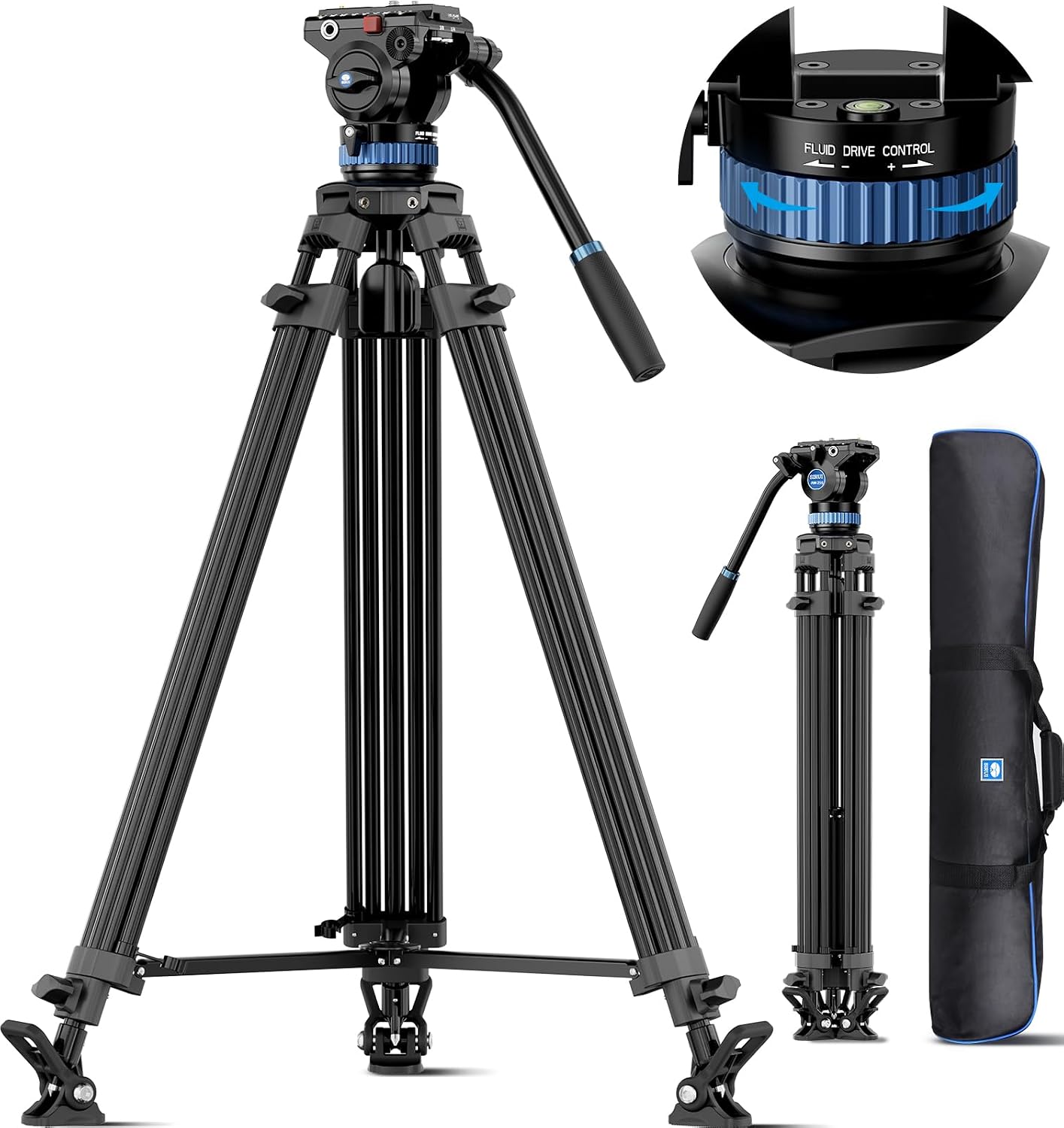
While the specs look great, some users report that the fluid head has spotty panning, and one person saw their head fail after just six months of carrying fifteen pounds.
The plastic leg locks are a weak point that might break if you put too much weight on them. There is no default level either, so check the bubble at every setup. And when leg locks would not seat for one owner, support stayed silent despite photos and videos of the problem.
You should buy this kit from a store where returns are easy, because the pattern of failure on the locks and the head is a real risk for many users. It remains the best value if your unit behaves. If your rig rides near the payload limit, look at tougher options instead.
Magnus VT-4000: The Proven Pick
The Magnus VT-4000 carries 4.7 stars from 472 ratings, the biggest owner sample in this bracket, and Magnus's line page positions the VT series as entry-level video support. The verified praise is unusual for the price: a 30-year TV broadcast veteran who spent field years on tripods costing several times more rates it close to that class, panning comes out fluid, and toughness is documented by an owner who bought three and sent one to Liberia and back.
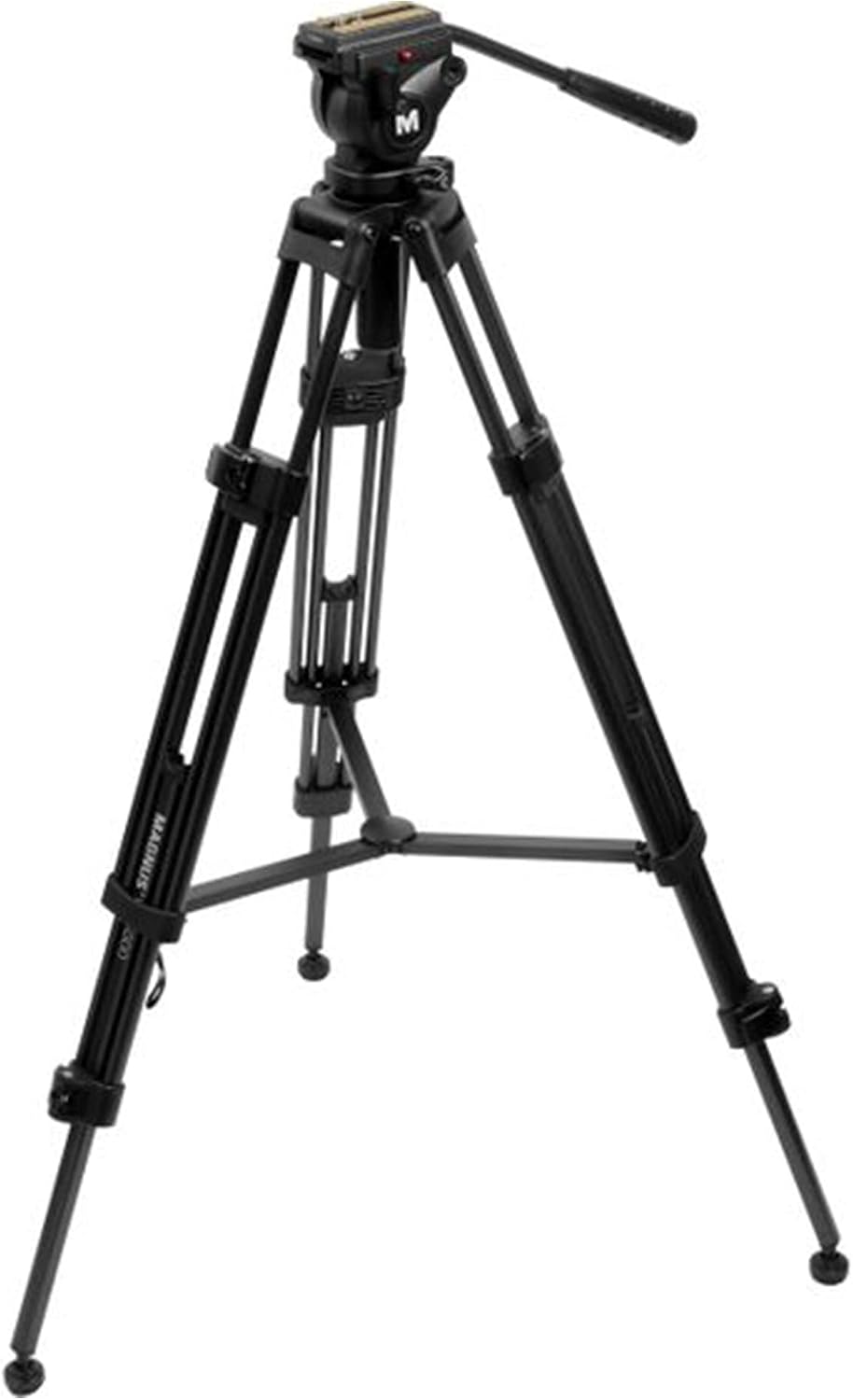
The verified complaints draw a clear line. A professional ENG newsgatherer scores it three stars for news work and five for casual shooting, which matches the rest of the pattern: panning needs break-in before it smooths out, the drag is fixed with no adjustment, plastic shows up in places that matter at this price, and one caller hit compatibility confusion between the VT-3000 and VT-4000 heads. Buy it as a casual-to-semi-pro mainstay, not as ENG gear.
Manfrotto 290 Xtra Kit: The Brand Step-Up
The Manfrotto name carries weight because of heads like the 128 family, but most owners buy this bundle for the legs rather than the head on top.
You'll find the legs feel solid for your gear, but the head quality often lets people down at this price. The kit holds a 4.6 rating from 285 reviews, yet a loud group of owners report build problems. Buy it for the legs if you plan to upgrade the head later.
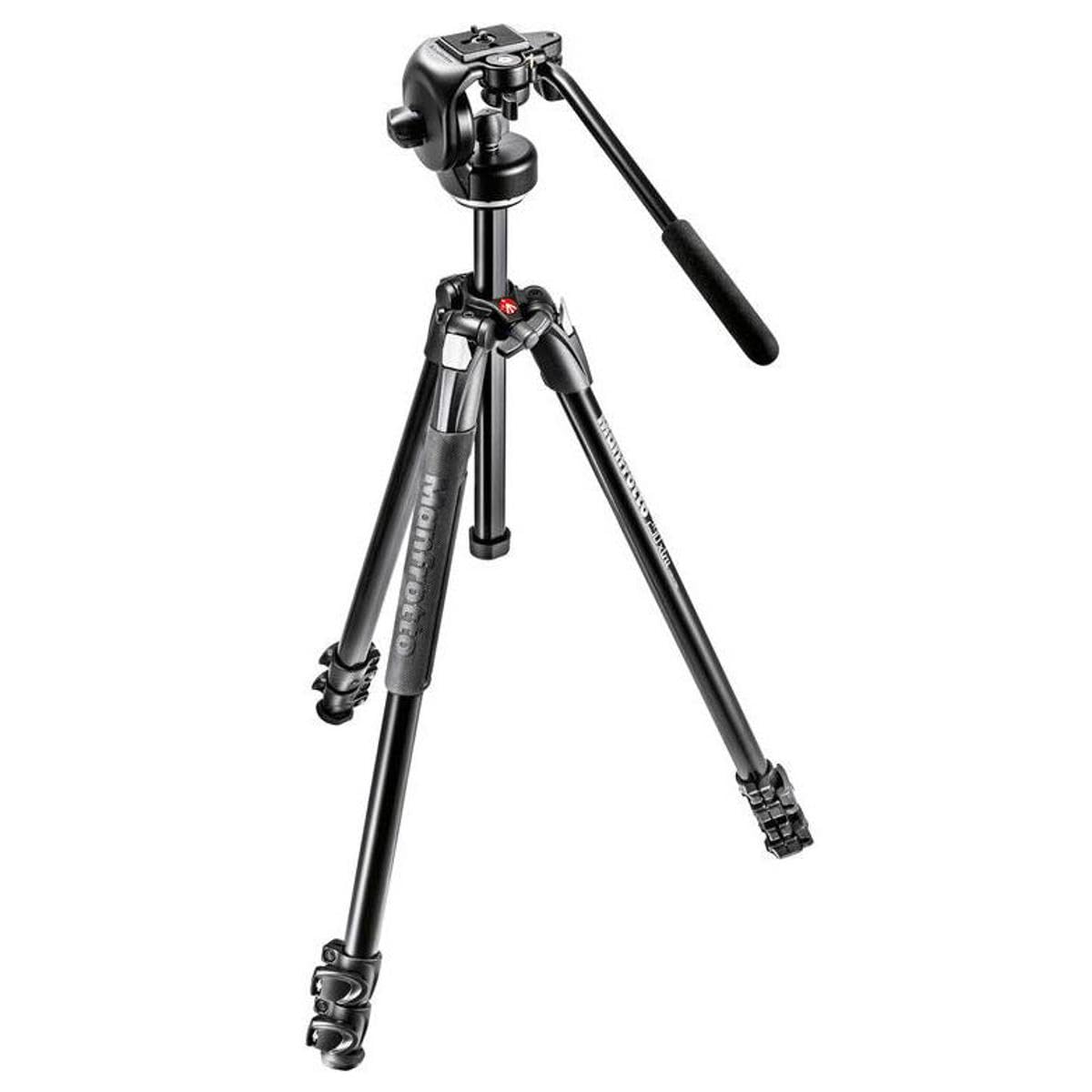
One reviewer has noted that the head has a fatal flaw in its peak-and-valley set-screw design, which makes it hard to get the glide you need during a professional shoot.
The quick-release plate broke right away, and even the replacement part from the brand failed too. How it moves feels binary because it either stops completely or swings too loose for the camera. Some buyers claim the head isn't as fluid as the box says, which is a big shame.
Longtime Manfrotto owners may find this kit the least reliable of the bunch, because the quality control varies so much. It often arrives damaged. Skip this kit if you need a head that works flawlessly out of the box at this price, because the quality control says otherwise.
Benro KH25PC: The Twin-Leg Option
Per Benro's official site, the KH25PC uses twin-tube aluminum legs, and that build is the main reason to pick it over single-tube kits at this price. It includes a mid-level spreader and a pan handle, which helps keep your camera steady while you move around. This rig carries up to fifteen pounds and reaches a height of sixty-one inches when fully extended.
Only eight ratings exist so far, which makes it hard to say whether the build holds up over time. One buyer has found too much play in the tripod and mentioned the carrying case arrived already ripped.
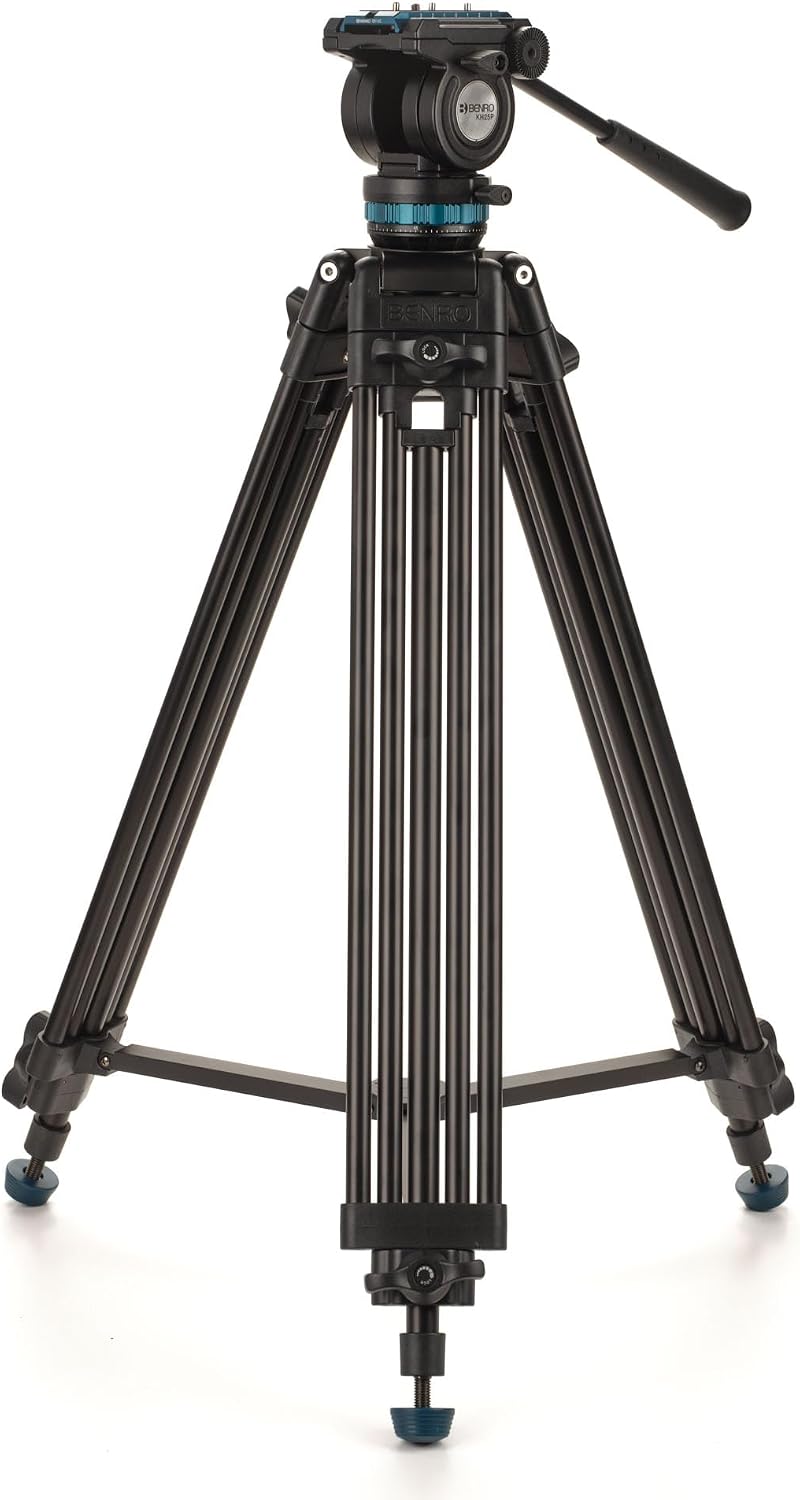
The twin-leg build is the differentiator at this price, but the evidence base is thin. The twin legs should help with heavier rigs, and the harsh early reports are hard to ignore. Check the return policy before you buy, because this is a gamble if you need a proven tool.
When to Buy the Head Separately
Once your camera setup gets close to the maximum weight the tripod can hold, buy legs and a fluid head separately, because most cheap kits only offer drag you can't change. Kit heads at this price usually carry fixed drag, which strains under heavy rigs. Buying separately lets you match parts to your rig, and it costs less than replacing a failed system later.
When you pick out a standalone head, make sure it has a counterbalance and real drag to adjust so you can keep your shots steady while the camera tilts or pans. A 75mm bowl helps you level fast between setups. Aim for a thirty percent payload margin over your rig's real weight so the head never strains.
A head that is too weak for your camera produces jerky moves, because its internals were never built for that constant weight. If the head fails while you record, you lose the take.
Frequently Asked Questions
What is a fluid head?
A fluid head uses viscous drag to provide smooth panning and tilting movements, unlike a photo ball head that simply snaps into place for quick still shots. This resistance prevents jerky movements when you move the camera slowly during a take.
How much payload capacity do I need?
You should weigh your full camera rig with the heaviest lens and accessories, then keep a thirty percent margin for safety and stability, against a limit like the Sirui's 17lb rating. Overloading the gear can lead to mechanical failure during a long production day.
Can I use a photo tripod for video?
Photo tripods with ball heads snap between angles and lack a pan handle, which makes filming video very frustrating for most moving projects. They work fine for stills but fail to provide the smooth motion you need.
Is a 75mm bowl better than a flat base?
A bowl head allows you to level the camera quickly without adjusting the legs, while a flat base needs a perfectly level surface or an adapter. This saves significant time when you're changing locations throughout the day.
What does a mid-level spreader do?
A mid-level spreader adds rigidity to the legs but can also block your ability to get very low angle shots near the ground. Ground spreaders handle uneven or rocky terrain better.
How tall should my video tripod be?
Match your standing eye level with the camera on the head, and add the head's own height to the legs' max. A 60-plus-inch system covers most standing work, and low shots come from shortening the legs rather than cranking the center column.