
Drone for Real Estate Videography: Mini 4 Pro, Avata 2 and More
Aerial shots have become a normal part of listing videos, and many agents now ask for them. For most homes the job is simple: a few smooth passes over the roof, the yard and the street, done quickly and legally.
The trouble is that the drone has to fit the business as much as the shot. A small drone avoids a lot of regulatory hassle, an FPV drone can fly through the front door, and a premium drone gives the best image but costs more to repair if something goes wrong.
Below is why the Mini 4 Pro wins for most listings, a beginner option, an indoor walkthrough drone, a premium upgrade and practical tips for residential shoots.
The Mini 4 Pro is the best pick for most listing work because its light weight avoids regulatory headaches, while the Avata 2 handles indoor walkthroughs and the Mavic 4 Pro serves high-end properties. If you're learning, the Flip is a great starting point, but the Autel provides a solid alternative if you want to avoid DJI.
The Mavic 4 Pro has a fragile gimbal and no DJI repair plan in the US, which is a real risk at that price.
Why the DJI Mini 4 Pro Wins for Real Estate
This drone weighs less than 249 grams, which keeps the regulatory path simpler - though commercial listing work still needs a Part 107 license no matter the drone. The light weight helps when you're moving between property showings all day. The weight limit makes it easy to carry, and it still delivers professional listing footage.
The drone includes omnidirectional obstacle sensing, which protects the gear from crashes while you're navigating tight spaces like narrow hallways or trees around a modern home. This tech keeps the drone safe in tricky spots, so you don't risk a crash during a complex shoot.
You'll find that you can focus on the shot because the machine handles the hard part of avoiding things in its path. These sensors keep working even if the wind blows a bit while you're trying to get the perfect angle.
The official Mini 4 Pro page lists the 4K60 HDR camera that keeps listing video vibrant and clear, which matters when you sell a high-end property.
The RC 2 controller has a bright built-in screen, so you don't have to struggle with phone glare in the sun. It makes it easy to check your frame, which means you save time when you're out on a busy day. It's the best tool for agents who want pro-level work without the extra weight.
DJI Flip: The Palm-Takeoff Beginner Pick
For anyone just starting out with listing aerials, the DJI Flip is a simple entry point, because it takes off from your hand and stays steady even when the wind picks up.
One reviewer has found the signal stays rock-solid, which helps when you're flying around a large property alone. It stays in its spot well, so you don't have to fight the controls to get the shot. This drone is very easy to learn, though some folks say the tech rewards those who spend time practicing.
While many people call this a toy for novices, one buyer has noted it actually performs better than the more expensive models that cost a lot more money on the market today. It handles winds up to fifteen miles per hour, which is a lot for something that feels so light. You're getting a tool that works well, even though the marketing undersells its true power.
Be careful buying used from a marketplace, because one person received an order that was clearly used with the original protective films already ripped right off. It's better to buy a new box to ensure you get gear that hasn't been handled by others.
A fresh drone means you can focus on learning to fly without worrying about hidden wear or tear. This pick makes it easy for agents to learn the air without a steep curve - B&H's drone category lists combos with spare batteries.
DJI Avata 2: Indoor Walkthroughs
DJI's Avata 2 page covers the ducted-prop design that protects the blades, which makes it a great indoor tool when you get close to walls or furniture.
One buyer has said the gear exceeded every expectation, which shows how good the build quality feels when you're moving through tight rooms. It makes filming walkthroughs feel natural because it feels like you're actually flying through the house. This drone helps capture unique angles in spaces where standard drones would likely crash.
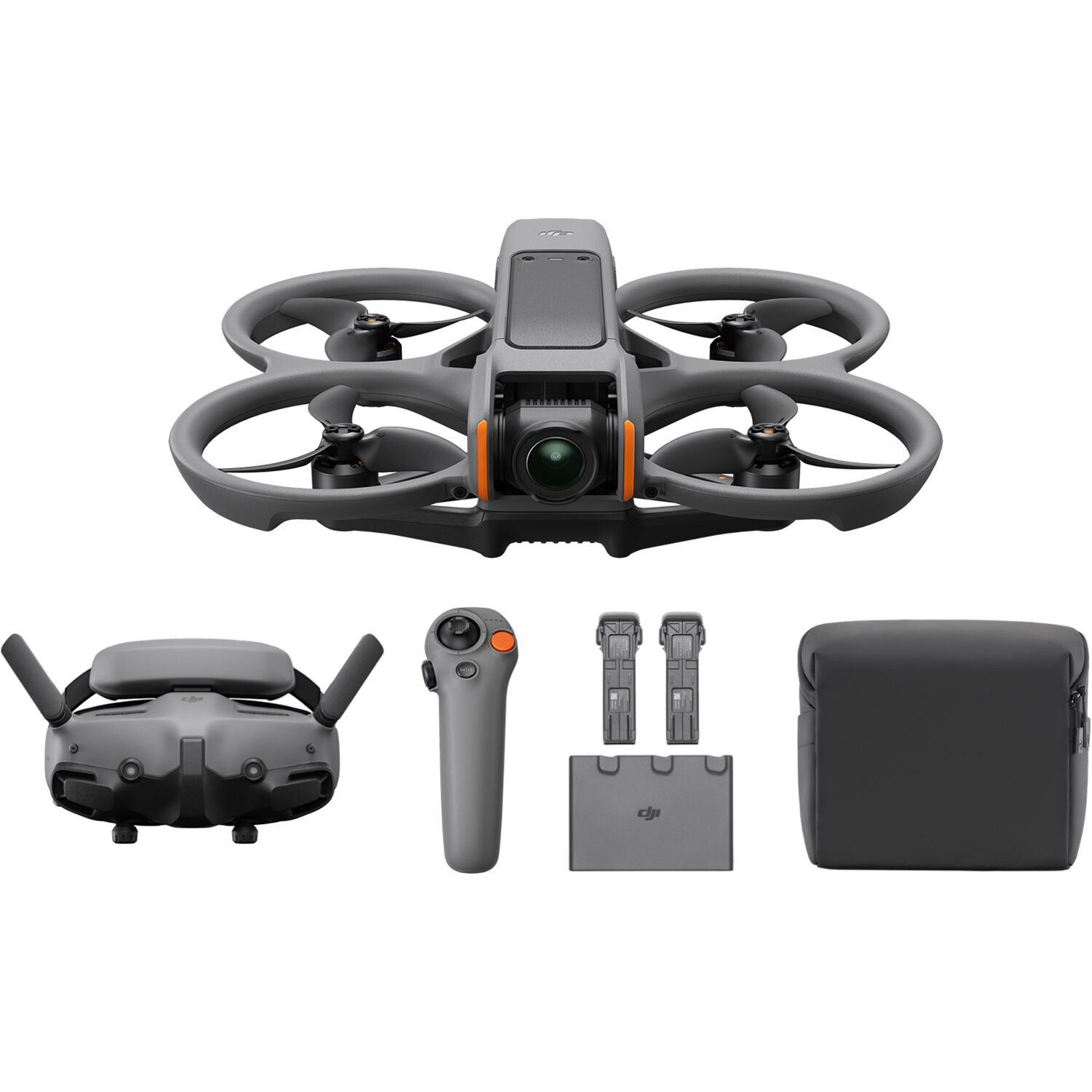
An owner has claimed this was the best thousand dollars they've ever spent, though they also used it to inspect fifty acres of wooded land quickly
You should budget for a proper controller because some combos ship without the remote, which is a big problem if you want to start right away.
Some pilots find the RC Motion 3 unusable because it can't turn the drone without forward motion, which limits how you move. You'll need to practice a lot before you try to use this for a client. While the learning curve is steep, the FPV style is worth the effort for listings.
DJI Mavic 4 Pro: The Premium Upgrade
A user calls this drone the flagship of flagships because it feels like a work of art, and many people use it daily for their business needs
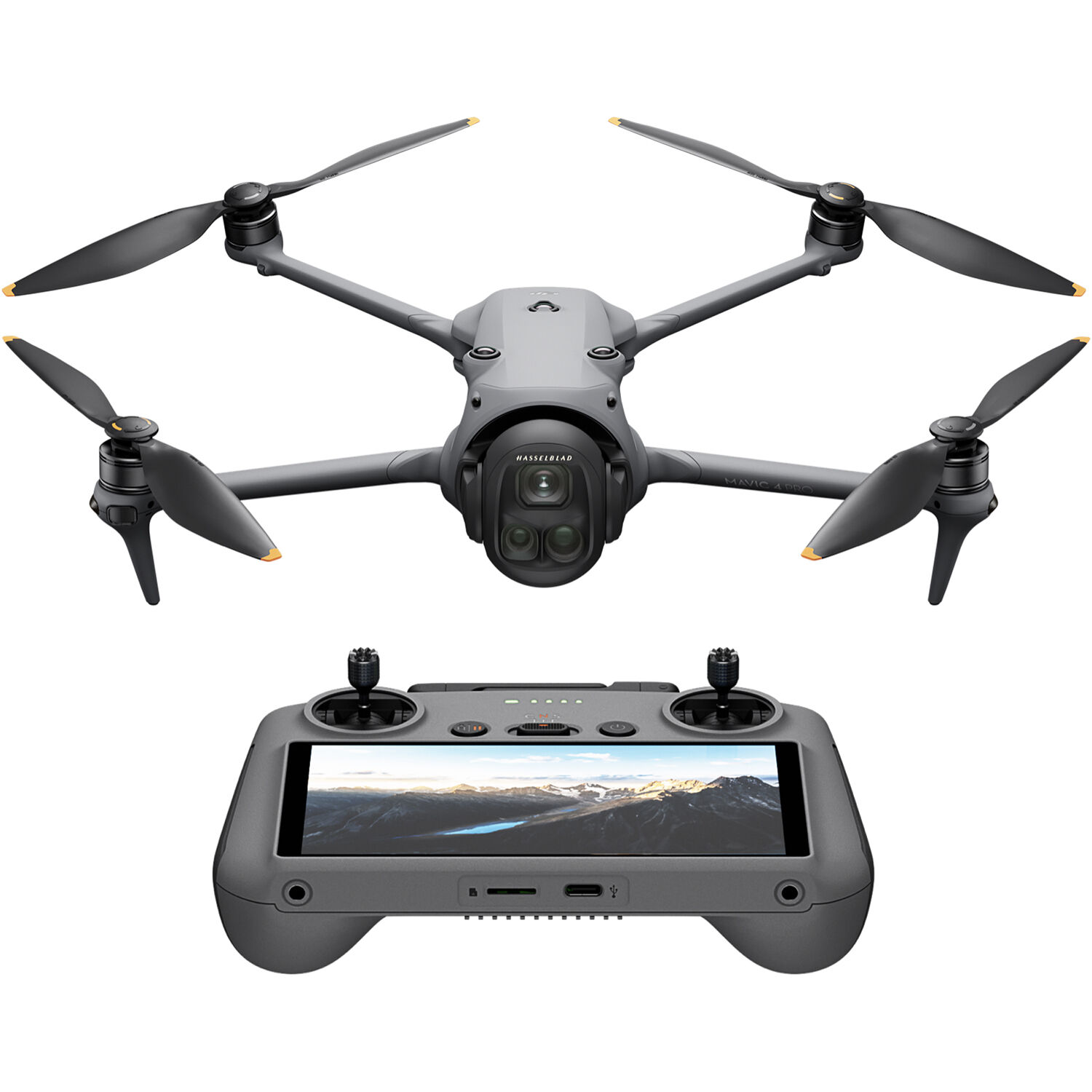
While the box says the battery lasts longer, one buyer claims the real time is only about thirty minutes when you are actually out in the field for work.
The zoom is also twenty-six times rather than the twenty-eight some sources claim. These differences might not matter to everyone, but they count when you are planning a complex shoot. You'll check the specs twice because you want to know what you get for your money.
The gimbal is described as extremely fragile, and there is no DJI service plan available in the United States to help you if something breaks during a busy flight.
Repairs can cost more than a thousand dollars, which is a huge hit for small business. This risk is the trade you make when you pick the premium tool for expensive properties. Be careful with the gear, because repair support in the US is effectively nonexistent.
For a drone that isn't made by DJI, the Autel EVO Lite 6K offers a large 1-inch CMOS sensor that captures 6K video while using AI to find targets for listings. It has AI target recognition which helps you frame the house without too much effort. The sensor captures strong detail, but the review sample size stays tiny.
While the current rating is a perfect five stars, we don't have any verified data to back up that score because it only comes from a tiny group of early buyers.
You're betting on the hardware quality when you choose this over the more common brands on the market. This drone works well for high-end shots, though you might find the software harder to learn. It stays a solid pick for those who need a different look than what the big guys provide.
Practical Shooting Tips for Residential Listing Videos
You should wait for the golden hour to capture that reveal, because the soft light makes every property look much better than under the harsh glare of a high midday sun.
Start with a slow push-in over the approach, so viewers feel like they are walking toward the door. This movement creates depth, which helps potential buyers imagine themselves living in the space. Keep the drone steady so the footage does not look shaky.
Try to orbit the roofline once to show the full shape of the house, since this is often the most important part of the structure for many clients. Keep your climbs under 400 feet to stay within legal limits, while you avoid hitting any trees. Shoot the neighborhood amenities too, because buyers are choosing an area as much as a house.
You need to plan your battery swaps in advance, because the Mavic 4 Pro gives about thirty minutes of real-world time despite what the official manufacturer claims today.
Having an extra pack ready ensures you won't miss the perfect shot, when the light changes quickly. If the battery runs out too early, you'll lose the best part of the shoot. Planning ahead keeps the workflow smooth, so you don't rush shots.
Frequently Asked Questions
Do I need a Part 107 license to film drones for real estate?
Yes for commercial work in the US - listing videos count as commercial use even under 249 grams. The Mini's light weight helps with waivers near controlled airspace, but the license itself is required.
Will the DJI Mini 4 Pro work on high-value listings?
For most suburban listings, yes. Step up to the Mavic 4 Pro when a client wants the extra reach and Hasselblad color - and budget for the verified repair risk that comes with it.
How long does a listing video shoot take?
Plan one to two hours on site including battery swaps and a couple of angles. The Flip and Avata 2 combos ship with spare batteries for exactly that reason.
What weather can these drones handle?
The Flip's verified stability holds in winds around fifteen miles per hour, but rain is a no on every consumer drone here, and cold weather cuts battery life.
Are phone-mounted or toy drones good enough?
Skip them. Even the proper drones need practice - the verified Avata controller complaints show what happens when the control scheme fights you on a client's clock.
Do I need flight planning software?
DJI's app covers basic planning, and controlled-airspace checks near airports need a airspace-authorization app before you fly - our airspace guide walks through it.