
Best Low Cost Drones: DJI Neo and Neo 2
Cheap drones have a reputation, and most of it is earned. Plenty of them drift, lose signal, crash on the first windy day or come with a camera that's barely better than nothing, which turns a fun purchase into a lesson.
DJI's smallest drones changed that by putting a decent camera and reliable flying into something you can launch from your hand. They still have limits, mostly short battery life, but they make a first drone feel like a safe experiment instead of a gamble.
Below are the DJI Neo, how its follow modes hold up for a runner, where cheap drones fail and the Neos don't, and what the combo kit really adds.
The DJI Neo ends the gamble of buying cheap drones because it's by far the most user friendly camera drone ever produced for any cost, making budget flight feel like a safe experiment.
The Neo 2 shows what happens when this formula gets another pass since it's even easier to fly and works via hand gestures. You might find it twice as fast in wind, but the short battery life remains a weak point if you need longer airtime.
DJI Neo: The Safe Experiment
One owner has found the DJI Neo cheap enough to be a safe experiment, which suits a lot of people who want to try flying without spending a fortune on gear they might break.
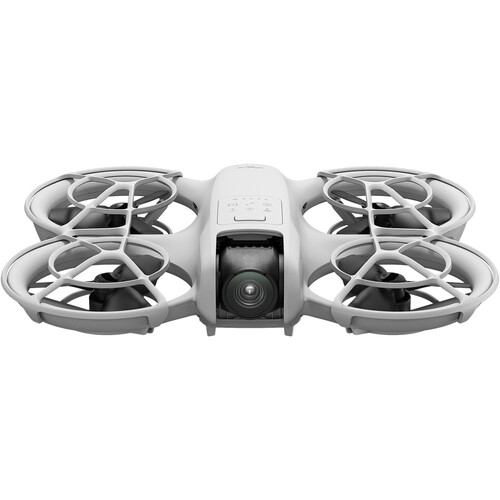
The budget tier has its own gravity, and the path through it is well documented.
Many folks try to stay under the thousand-dollar mark by buying models like the Ruko F11, and the journey usually continues through a couple more budget brands before it ends - 'I've gone through a handful of drones trying to avoid spending big money. After losing a couple in the past' is how that reads, Hubsan-tier detours included. This drone makes the entry point much easier, since it doesn't hurt the bank if things go wrong.
When you grab the drone-only version, it comes with a battery, a charging cable, stickers, and prop guards so you can start flying right away. It's great for those who already have a controller, or want the simplest possible setup. That's everything you need to get in the air, which is a big plus on a tight budget.
Because the cost is so low, you don't have to worry about every single crash, while you're still learning the basics of flight and control in the air.
You can afford to make mistakes, because the gear won't ruin a month if you hit a tree. Check B&H's DJI stock before pricing the combo. This freedom lets beginners explore the sky without the fear that comes with high-end tech - the risk stays low while the learning curve gets ridden.
The Runner's Test: Follow Modes That Actually Work
One runner has said the Neo makes their Instagram posts a lot more interesting, because they just choose the follow mode, place it ahead, behind or to the side, and it tracks very nicely. Settings stay untouched while the path gets the attention - PetaPixel's drone coverage reads the same way from the photo side. This tool is a safe experiment for those who want to fly without spending much.
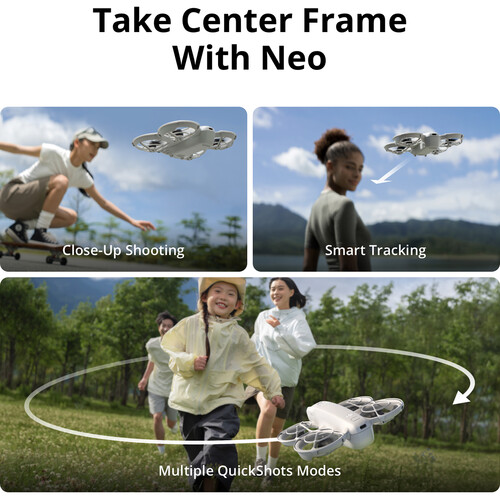
The DJI Neo 2 takes things a step further because it requires no controller at all, letting you just use simple hand gestures to start and control the flight path. This feature makes it easy to take off quickly when a shot appears with no gear in hand. The battery lasts about fifteen minutes - the honest weak point - but the ease earns the clip.
When you pick a drone that actually follows you, you save a lot of time that would otherwise spend fighting with apps or trying to get right angles.
Cheap drones often fail to keep the track, but these tools stay locked on you throughout the run. You avoid the annoyance of lost footage by choosing a tool that handles the hard work on its own - a reliable aircraft in the air means the best parts of the run survive - the crash math from bigger machines applies here too, just cheaper.
Where the Cheap Drones Fail and the Neos Don't
One owner had bought a cheap drone with a good camera that wouldn't stabilize or hover, and has found this one a different animal, with no guesswork and no connection issues. It just works.
Connection drops and guesswork stop being part of the shot. Those older models failed to keep their place, yet this one stays where it belongs for folks who want to save some money. The shot stays steady while you move - the difference between a tool and the shaky toys that came before it.
The DJI Neo 2 is even easier to fly since it uses hand gestures instead of a controller, though the battery life only lasts about fifteen minutes during a long flight. One buyer's ESC error flipped the aircraft four feet over a football field - 'Pay for the extended insurance! I crashed mine the first day, and wouldn't you know it' is their advice. Good gear still crashes.
What the Combo Adds and What It Doesn't
The Fly More Combo bundles extra batteries and the RC 2 screen remote - the package the 1,665-rating sample mostly reviewed. One owner who has moved from a Mini 3 Pro to a Mini 4 Pro is in a different product line, but the combo logic holds across all of them: batteries are the real currency of flight time, and the drone-flight-time math only works with spares on hand.
The drone-only route makes sense when a controller already exists. Everyone else should price the combo before the drone, because the first accessory buy is always more batteries. The Neo 2 owner who said 'it is compatible with goggles 3' was describing combo-tier flexibility.
Frequently Asked Questions
DJI Neo vs DJI Neo 2
The Neo 2 is much easier to fly than the original model and works twice as fast when you're dealing with windy weather conditions. You can operate the newer version using just hand gestures instead of a physical controller for every flight.
Is the drone-only or combo better?
Buying the drone-only version means you get the battery, charging cable, stickers, and prop guards so you can start flying immediately. Choosing this option helps save money if you already have extra gear on hand for your trips.
What is the battery life?
While the Neo 2 is convenient, the battery life is a weak point because it only lasts about fifteen minutes per flight. You should plan your sessions carefully since the power runs out quite quickly today when you're outside.
How well do they handle wind?
The Neo 2 is significantly safer to fly in gusts because it handles wind speeds up to six meters per second. This stability prevents the drone from drifting away during difficult outdoor shoots in the park.
What is the price tier?
The original Neo is considered a safe experiment because the cost is low enough for people who want to avoid spending big money. These drones sit in the budget tier, a rung below the entry-level Air 3S conversation and several rungs below professional gear. TechRadar's drone guide maps the same tiers from the outside.