
Best Underwater Camera Housing: Ikelite 200DL, Sea and Sea, Seafrogs
Taking a real camera underwater changes the whole calculation. The housing has to keep the sea out, give you the controls that matter, and still let you see what you're shooting through a port and a viewfinder.
Housings range from polycarbonate shells to machined aluminum built around one specific camera body, and the difference shows up in how precisely the buttons line up and how much you trust it at depth. A cheap housing that floods costs far more than it saved.
Below are a premium polycarbonate pick, a machined reference and a budget option with a veteran diver's caution attached.
The Ikelite 200DL is the premium polycarbonate housing, the Sea and Sea MDX-70D is the machined reference, and the Seafrogs is the budget tier with the veteran's caution. One owner has warned that some of the buttons didn't quite line up, and the premium tier is the standard that warning gets measured against.
The Premium Pick: Ikelite 200DL
The Ikelite 200DL for the Sony A9 uses a tough polycarbonate body that stays strong under pressure, while the port system lets you swap lenses easily to get the shot you want.
You'll find the made-in-USA octopus mark on the frame, which shows how much they care about how they build it. The control layout feels natural for the A9, so you can reach every dial without looking too much. This housing serves the whole dive-tier market because the port catalog covers so many different glass types.
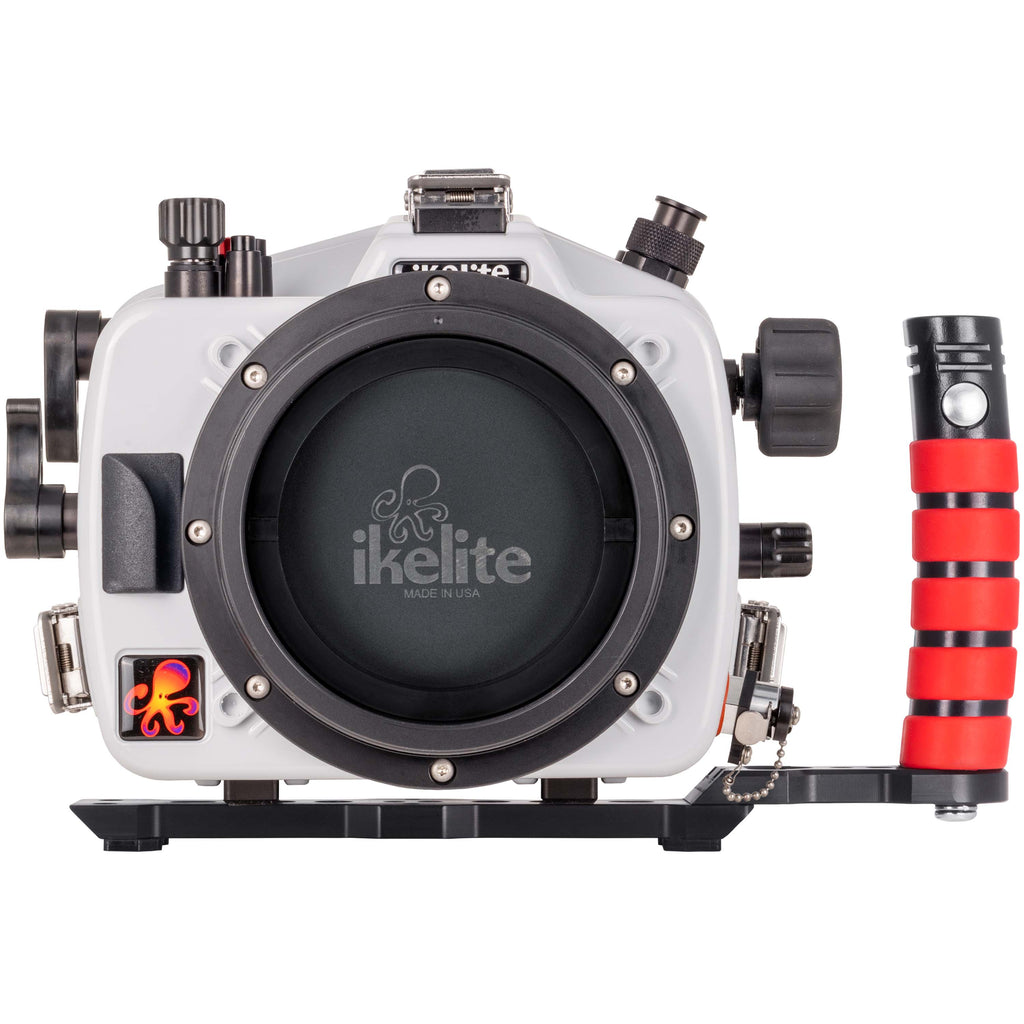
The shell is built for high-end glass, and the balance matters at depth. Polycarbonate is the Ikelite signature: lighter than machined aluminum, corrosion-proof in salt, and the trade is flex under extreme pressure. That is why the depth rating is printed on the housing and not guessed at.
The port mount takes the glass the dive demands, and the control layout mirrors the body's dials so muscle memory survives the seal. The housing sits sleek on the rig, the controls land where the A9's dials live, and the grip stays balanced in the current rather than fighting it - the port mount takes the glass the dive demands.
You're betting on gear that lasts for years because what it is made of handles the salt water well over time. Choosing this path means you won't have to worry about leaks while you focus on the fish.
The Machined Reference: Sea and Sea MDX-70D
The Sea and Sea MDX-70D is the machined reference from the Canon 70D era because it set a standard for build quality that later models had to follow. The MDX-70D's machined frame is the era's build standard: solid in the hand, clean in the line, and the kind of care the sea-sea shell shows in the machining.
Machined aluminum housings hold tighter tolerances than molded ones, which is why the button-alignment question barely comes up at this tier. There's little owner feedback on this housing, so its build standard is the main thing it has going for it.
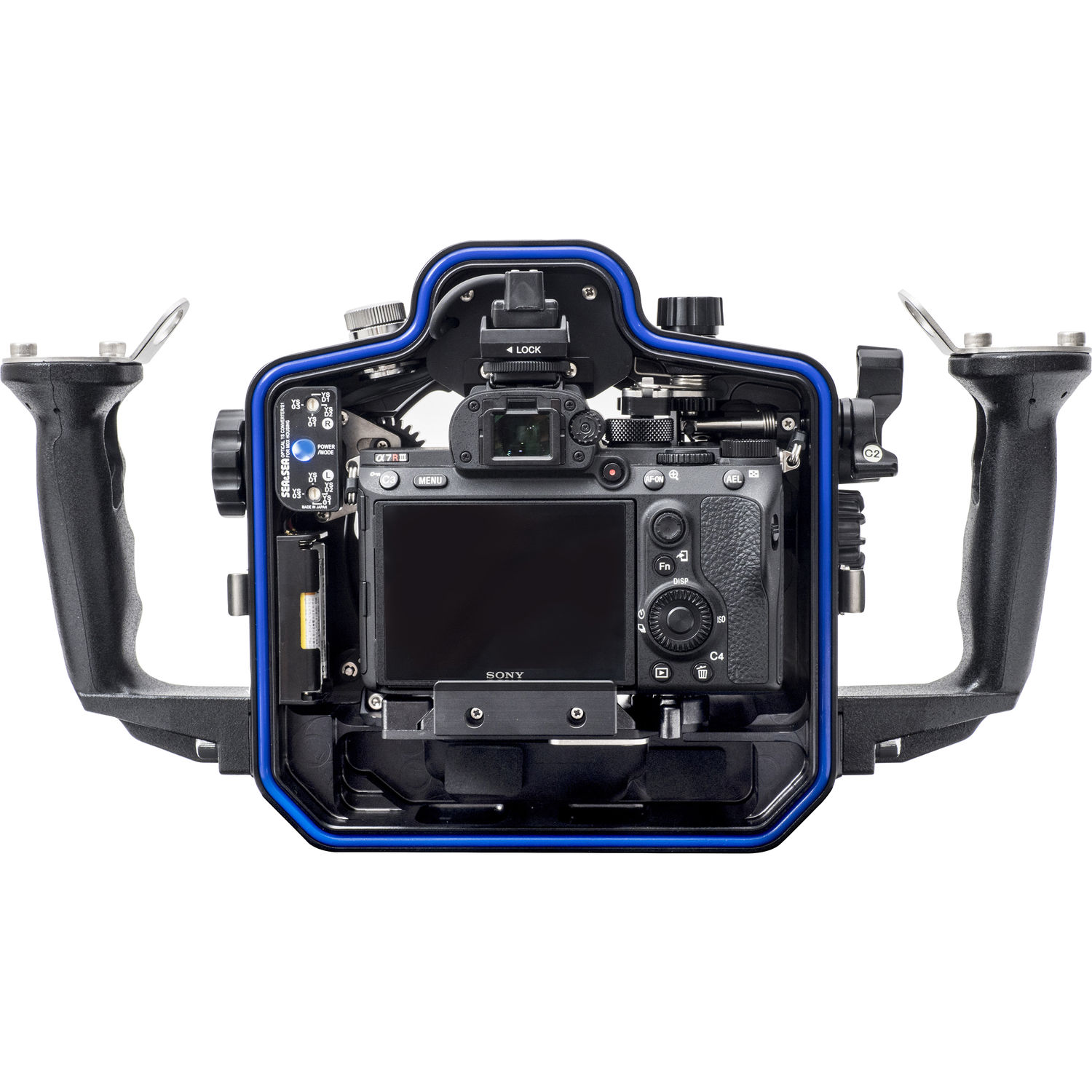
When you look at the DL line, you see how they inherited the ergonomics and the layout that the MDX line first established for these older Canon cameras. The controls feel right in your hand, which makes it easy to change settings when you're moving fast.
The MDX line is the benchmark for anyone who wants a tool that lasts. It doesn't offer many fancy tricks, but it gives you the ruggedness you need for real work. You get a feel that stays relevant today, even if the tech has moved on.
The Budget Tier: Seafrogs
The Seafrogs housing offers a cheap entry for photographers who want to get underwater, but one reviewer who used an older A7II model noted that some buttons didn't quite line up perfectly.
One A7II owner has found that some of the buttons didn't quite line up, so check every dial on your own copy before the water, because a fit issue at depth is a shoot-ruiner. The click-right question is the pre-dive test: every dial, every button, every latch - in the sink, not the ocean.
The veteran's own A7II Seafrogs 'wasn't perfect' by his own account, and he kept shooting it, which tells you where the budget tier's real position is: usable with inspection, not trust-on-faith.
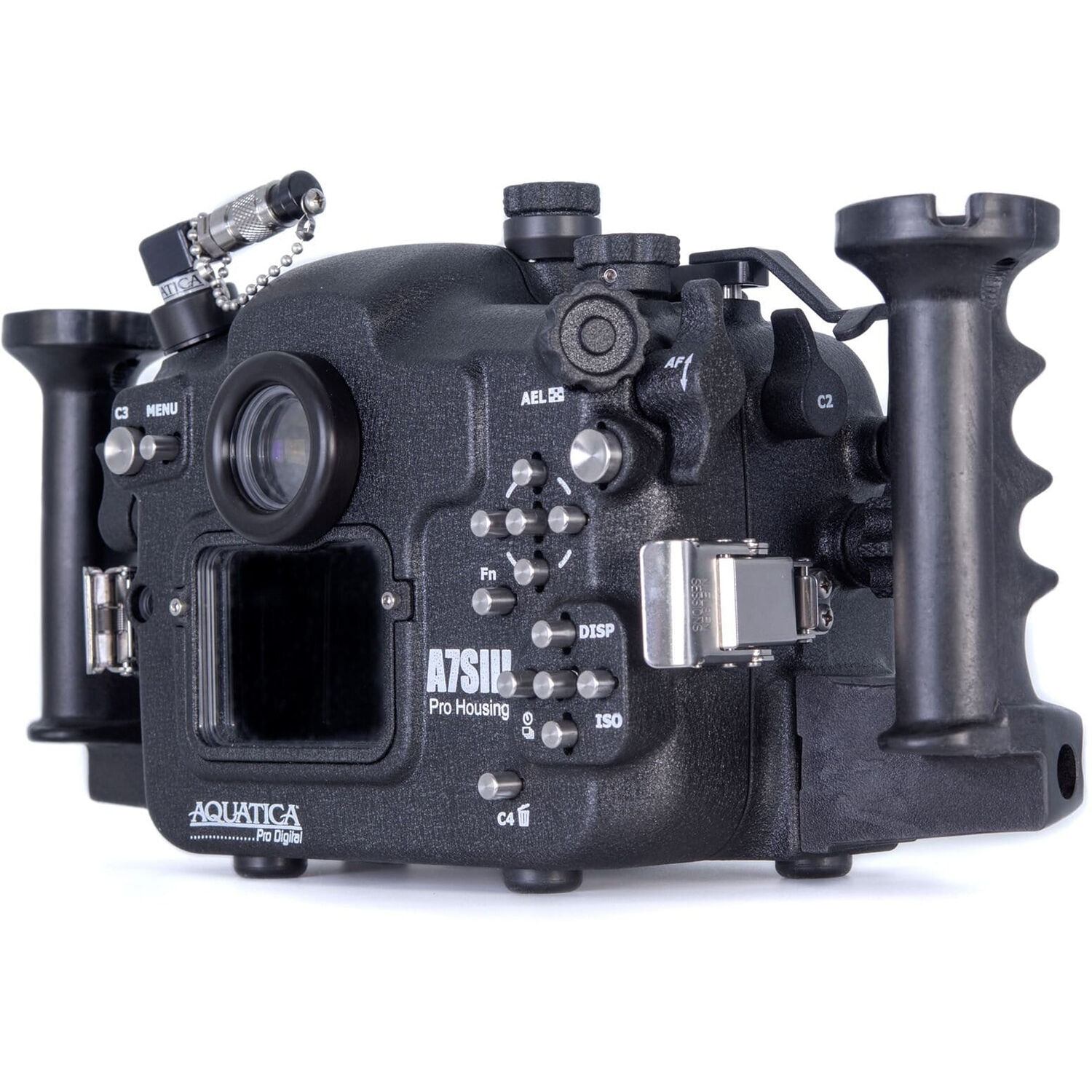
When you look at the Aquatica image, you can see the level of build quality that sets the premium tier far apart from these budget-friendly plastic options now. The cost saves money, and the tactile feel is what it saves it from.
The Aquatica image is the premium contrast: machined, o-ring-everywhere, and priced like the camera it drowns if it fails. The failure mode is a housing that doesn't match the camera body during a long swim, and the Aquatica tier is the reference the budget buyer should keep in mind.
You could end up with missed shots, if the housing doesn't match the camera body during a long swim. Choosing this gear means you have to accept some flaws, in exchange for a much lower cost today.
Frequently Asked Questions
Is an underwater housing better than a dry bag?
A hard housing protects your camera from water pressure while submerged, whereas a dry bag only keeps the gear dry while you are traveling or on the boat. You can't take photos underwater using a bag because it doesn't offer any pressure protection.
What port size should I choose for my lens?
Dome ports are ideal for wide angle lenses to reduce distortion, while flat ports work better for macro photography where you need close-up focus. Choosing the right glass depends on the type of images you plan to capture while diving.
How deep can these housings actually go?
Different models have varying limits, with premium units like Aquatica often handling much greater depths than the budget-friendly Seafrogs option. Check the specific rating so you don't exceed the limits during the dive.
Do the buttons always line up perfectly?
A buyer has noted that on the Seafrogs housing some buttons didn't quite line up perfectly with their previous camera model. This issue is more common with budget-tier gear compared to more expensive machined housings.
Do I need insurance for underwater gear?
Underwater equipment is expensive and prone to accidents, so having coverage helps replace gear if a housing leaks or something gets lost. It's a smart move to protect your investment against unexpected damage in the salt water.
The insurance question is the field's real one: a flooded housing is a lost body, and the premium tiers insure their reputations on the seal.
The budget tier's button-alignment caution is the same lesson in smaller print: inspect the copy, not just the spec. Protecting your investment is the standard advice, and salt water is the reason. The underwater lighting tier covers the light side, the waterproof bag picks cover the trip to the water, and PetaPixel's underwater coverage reads the same housings from the photo side.
Check B&H's housing stock for the tiers. The underwater lighting page pairs the strobes, and No Film School's underwater guides frame the workflow. The tier math is the closing thought: machined reference, polycarbonate premium, budget-with-inspection - pick by how many dives the body survives, not by how the listing reads.
The port catalog is the tiebreaker: the housing that takes your glass is the housing that takes the job, and the depth rating that matches your plan is the one that comes home. Budget for the flood, test the clicks, and the housing question turns into a checklist instead of a gamble.