
Documentary Audio Setup: Zoom H5, NTG4+, and Lavalier GO
Documentary audio has to work the first time. The interview happens once, the subject won't repeat the best line, and a room that sounded quiet can turn out to be full of air conditioning hum and traffic once you listen back on headphones.
That's why most documentary shooters carry the same basic chain: a recorder, a shotgun mic on a boom and a lavalier on the subject, so there's always a second channel if one fails, whether from a dead battery or a rustling collar. Getting those three to work together, with gear that won't let you down in the field, is the whole job.
Below are the field recorder, the boom mic and the lav, and how to wire them together.
The documentary audio chain is recorder, boom, and lav - and the Zoom H5, the NTG4+, and the Lavalier GO cover all three. One podcast owner has called the battery life insane. Wire them together once and the kit disappears into the bag - one XLR for the blimp, one TRRS for the transmitter, and two AAs for the whole show.
The Field Recorder: Zoom H5
Six months in, owners keep finding new jobs for this recorder: a corporate user separates conference-room audio from the laptop feed, a reporter replaced a Marantz 671 that fell off a motorcycle, and the in-hand feel draws consistent praise.
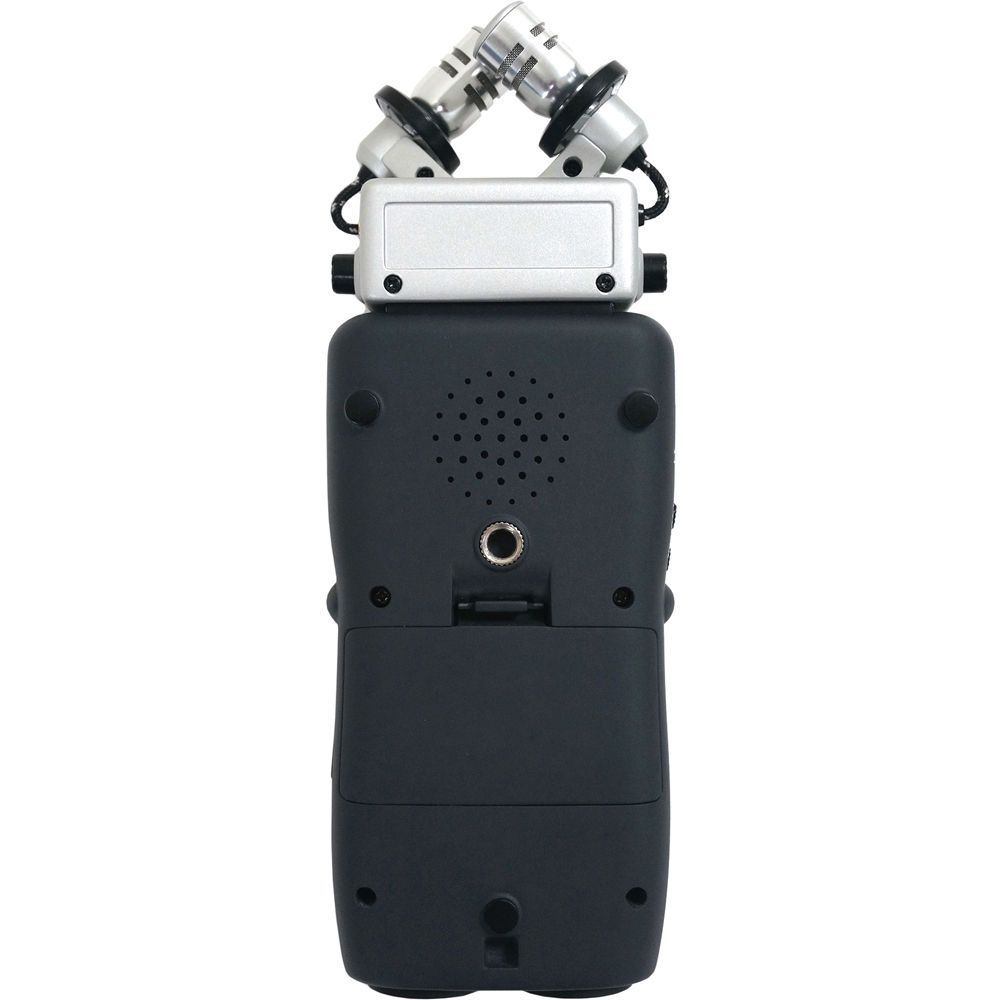
Battery life surprises people - two AA cells run a remarkably long time, and the two extra mic inputs get called a huge plus. A flute player has even plugged a Shure SM58 in for practice, which shows how flexible the inputs are. The swappable capsule system means the X/Y stereo head comes off and a shotgun-style input module goes on, so one recorder serves the interview and the room tone.
As a portable microphone, it isn't worth buying if you care about quality - owners are blunt about that - but as an easy recorder for other mics it works well, and that's the honest limit of the built-in capsules and the reason the NTG4+ section exists. The menus confuse at first, then make sense after one pass through the manual.
Recorded from offstage while a band plays, the audio comes back high across the frequency range, and a podcaster calls it the perfect device for their show.
The Boom: Rode NTG4+
Next to a Deity shotgun it runs bassier, and less boomy than the NTG2 - owners report the two cover each other's gaps, so running both gives you options.
When you use it with a blimp, the audio outside stays awesome because it blocks out harsh wind noise perfectly.
Under a blimp, the vocal audio comes back clear with no wind noise, and the step up from the NTG2 gets an explicit recommendation.
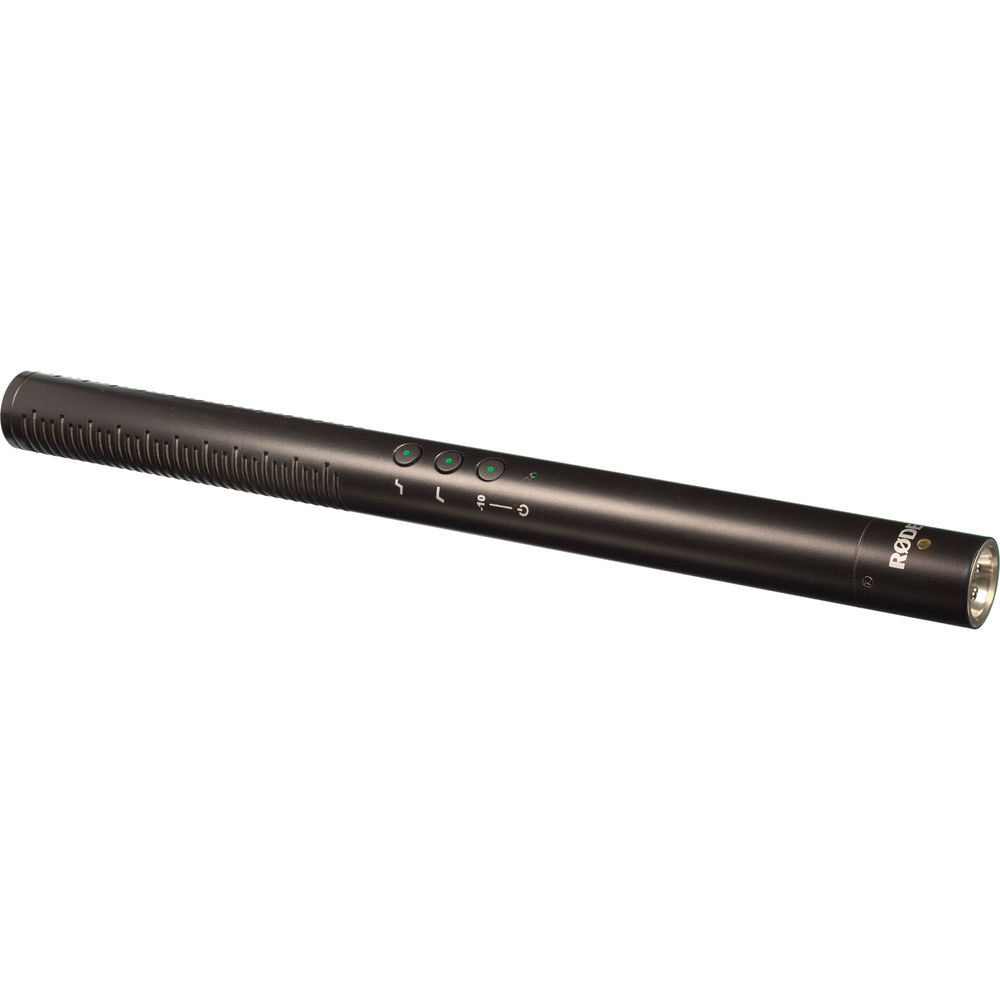
One frustrated owner has received a defective unit that had been used before, with marks on its XLR connector, and it didn't turn on, so inspect yours when it arrives.
It's light and strong, and the box has everything: a mic-stand clip, a USB charging cable, a sticker and a 10-year warranty once you register - which is the reason to fill out the form.
'The powered mic makes it great to use with various external recording units' closes the case for the phantom-power question.
The Lav: Rode Lavalier GO
You'll find that this little mic works great with the GoPro media mod, which helps cut down on wind noise while you're filming out in the field today.
During a test with a Japanese FX3, the audio stayed fine even when someone spoke a small voice right near the collar. One owner has called it expensive but is trusting Rode to make it last, and another wishes a few extra windscreens had come in the box. The image shows the TRRS plug and capsule.
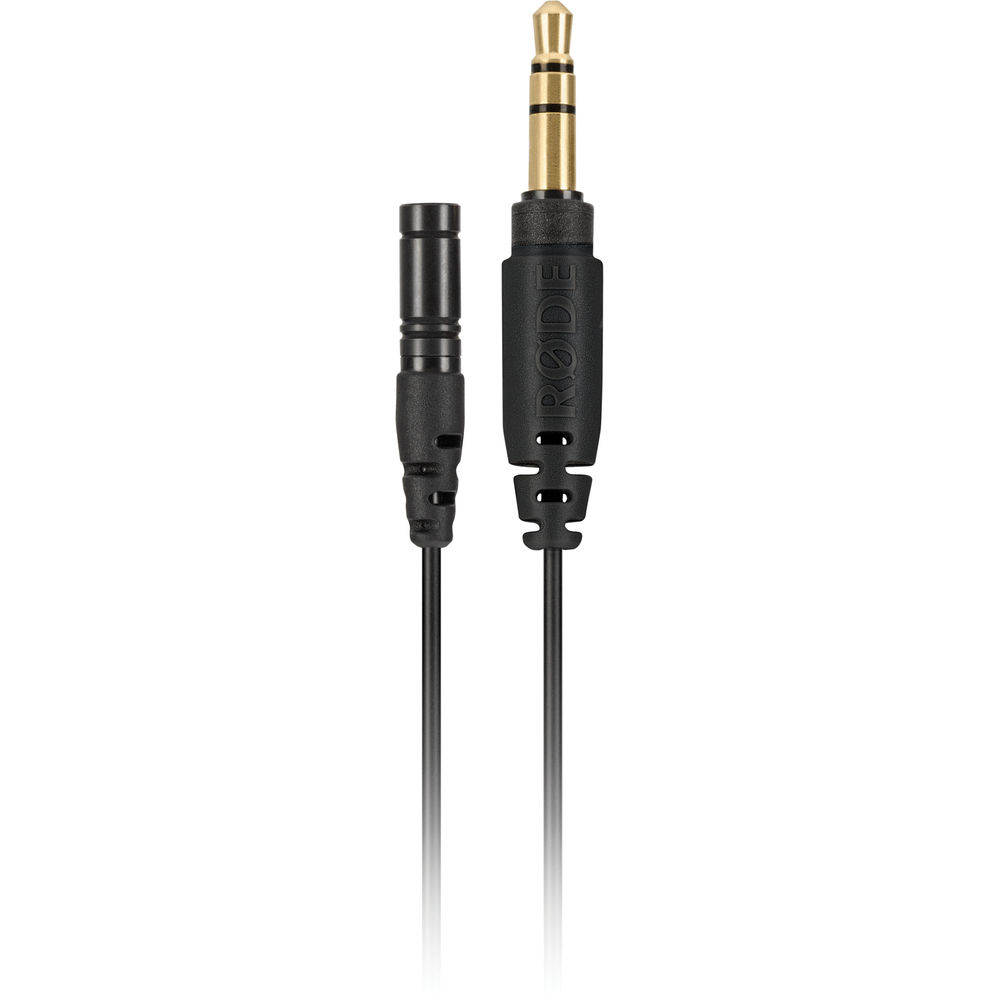
The gear delivers professional-grade audio in a very discreet package, which makes it perfect for those who need to hide their equipment while getting clear results.
Daily video use brings back the same report: the sound stays clear and consistent every time.
Frequently Asked Questions
Should I use the Zoom H5 instead of my phone?
The corporate user who records conference-room meetings has a professional mic that could plug into a laptop, but the H5 keeps the two separate. A phone records. The H5 records with XLR inputs, swappable capsules and a slight curve that improves the grip.
Is it better to use the boom mic or lavalier first?
Run the shotgun with a blimp for the scene, and the Lavalier GO for the sit-down. The FX3 owner has found it fine even with a quiet voice near the collar. Both in the bag means the interview never depends on one capsule, and the everyday-tier comparison logic - own the backup before the failure - applies to audio more than to anything else in the bag.
Does the Rode NTG4+ require phantom power?
The powered mic works well with various external recorders and sounds great, one owner found.
How long does the battery last on the H5?
Two AAs in the H5 last remarkably long, which is a big reason it beats a phone's record button on a long shoot.
Do I need a backup recorder for my audio?
Owners have liked that you can buy different mic attachments for it and still plug in two other mics.
Boom on one XLR, lav on the other, and the interview survives either capsule's worst day. That redundancy is the whole documentary method - the take you cannot repeat deserves two channels. The mobile live-stream kit is the phone-side cousin, and the interview workflow covers the two-camera version.
The wiring order is simple: the Lavalier GO plugs into the Wireless GO II transmitter, the NTG4+ rides the blimp into the H5's XLR input, and the H5 is the master clock. Those two extra inputs give you the channel headroom that makes the backup real.
The desk-side audio kit covers the studio end of the same chain, PetaPixel's audio-for-photo coverage reads the same chain from the stills side, and No Film School's sound guides cover the doc-audio workflow from the film side, and B&H's field recorder stock carries all three tiers.