
Best Small Video Camera for Travel: Insta360 X4 and the Comps
A travel camera has to earn its spot in the bag every single day. Anything heavy, slow to set up or hungry for accessories ends up in the hotel room, and the trip gets filmed on a phone anyway.
Small cameras solve that in very different ways. A 360 camera captures everything and lets you choose the frame later, a pocket vlogging camera keeps things simple, and a compact hybrid gives you real photos too, and each one asks something different of you once you're home.
Below are the 360 pick and three small alternatives: a pocket camera, a desk-to-trip option and a hybrid.
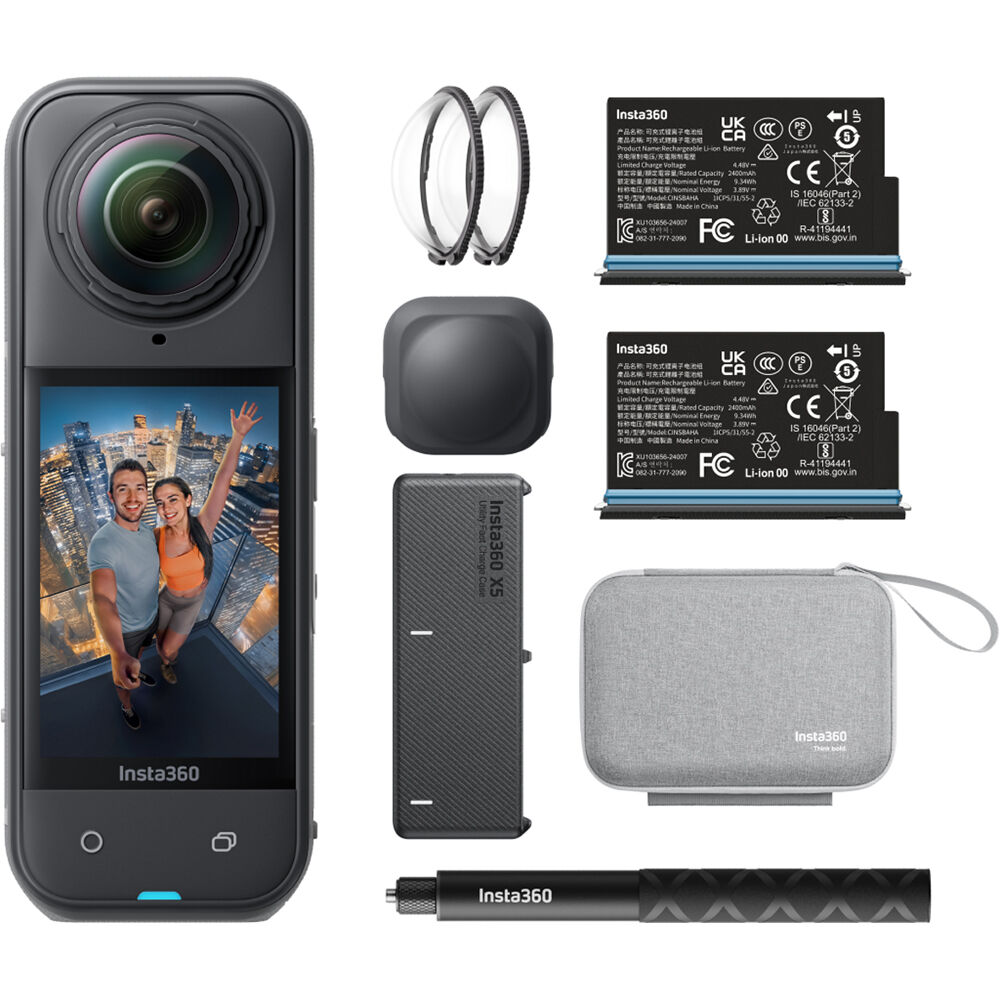
The Insta360 X4 is the travel pick because one lens becomes every lens you might need, and one owner who waited years for a 360 camera has said it amazes them every day.
While the Sony ZV-1F or Canon PowerShot V10 offer specific forms, they lack the versatility of this spherical tool. Even the Fujifilm X-M5 provides a hybrid experience, but the X4's case is the framing one: capture everything, decide later. Owners have praised its build and features, and those are what carry the trip.
That owner had wanted a 360 camera for years but couldn't justify the price until the X4. Another has called it one of the best camera purchases they've made, after taking it on a family vacation and putting it through its paces for a year. An Italian owner has made the case for 360 in one line: you can shoot without worrying about framing.
The workflow is the catch. One owner who shot about two weeks of walking, cycling and tripod timelapses has warned that you need a powerful computer, and an Italian 1-star reviewer has had playback glitches with colored bands after about three months. A French 2-star reviewer has found the image quality poor, so the reframe-from-8K pipeline isn't for everyone.
The 360 Pick: Insta360 X4
The X4 is the pick because one lens becomes every lens: shoot the whole sphere, reframe in the app, keep the shot you actually wanted.
The Pocket Comp: Sony ZV-1F
The Sony ZV-1F works as a pocket pick for people who want a normal camera that feels natural rather than a tool that forces you to reframe every shot after you've filmed it. It uses a fixed 20mm lens which gives you a wide view for your vlogs without needing to zoom.
Since it doesn't have a viewfinder, you'll rely on the flip screen to see your frame while you work. This small tool fits in your pocket, so it stays easy to carry during a long walk around.
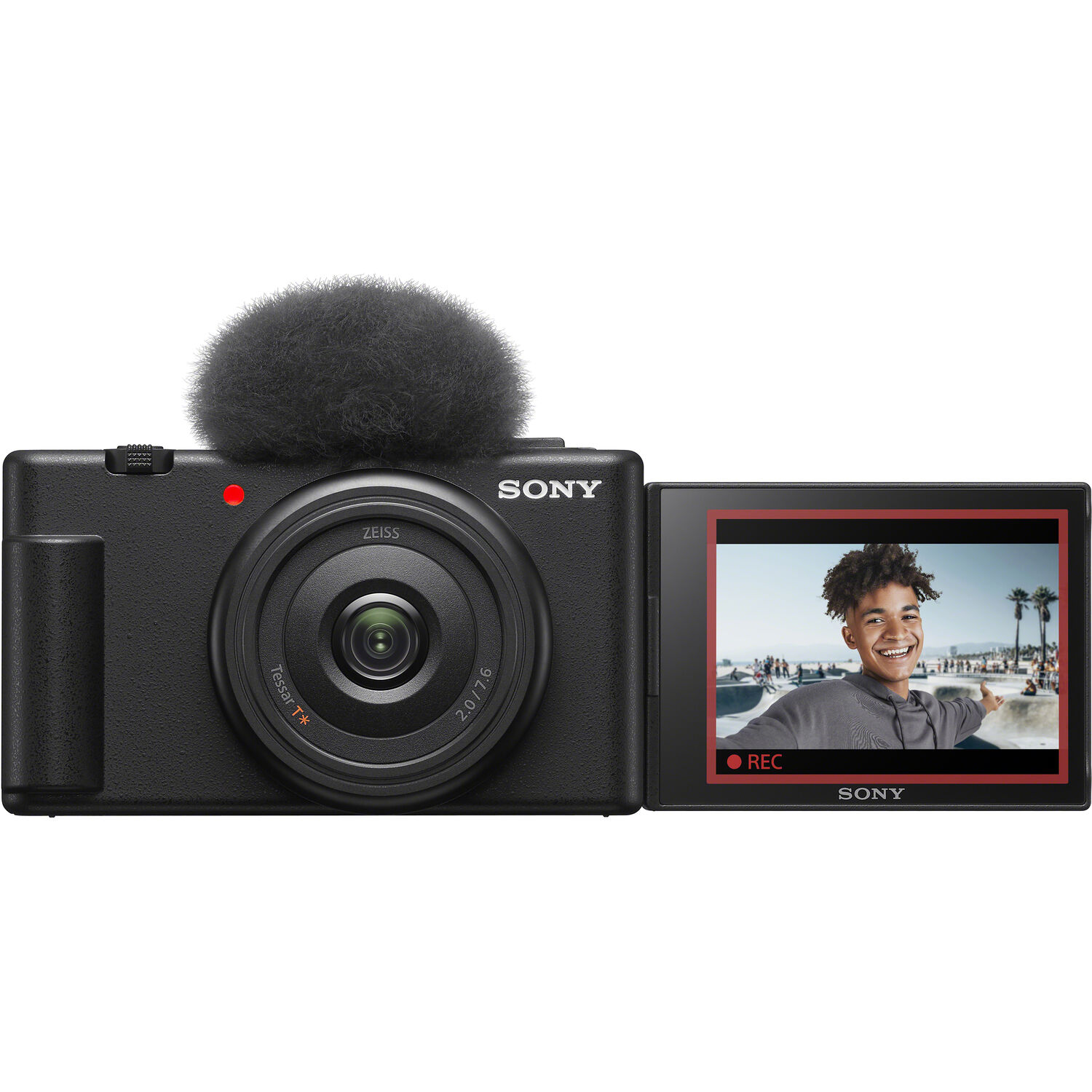
Tired of hours of 360 editing? This is the simpler path: the 20mm-equivalent view is fixed, the shot lands where it lands, and the file is ready when you are. One owner has found it easy to attach to different tripods and mounts, and the pocket picks all mount the same way.
The Desk-to-Trip: Canon PowerShot V10
For a camera that works without fumbling with extra gear, this small one stands out, because it includes a built-in stand that pops out quickly on any flat surface.
You don't need a heavy tripod to get a steady shot, which saves space when you move through crowded cities. The single button starts filming right away, which is the alone-on-the-road case: no setup, no missed moment. One owner has said they're delighted because it has everything needed to start making videos.
For travelers who love to talk to the lens, this tool is a great pick, because the design keeps you in frame without the need for a selfie arm or a mount. It fits in a pocket, stays ready for the quick clip, and the weight disappears - the story comes first, the gear second.
One owner who films cooking videos has liked being able to move it, slide it around and get to a shot easily, and that maps to the walk-and-talk case.
The Hybrid Option: Fujifilm X-M5
The Fujifilm X-M5 is a tool for travelers who want to capture both high-quality photos and video during the same trip, though it focuses more on taking stills. It uses film looks to give your photos a specific style, which saves time on editing every single shot.
You'll find that the body fits in a small bag, making it easy to carry around all day. This camera works well when you need to switch between modes fast, so you never miss a moment.
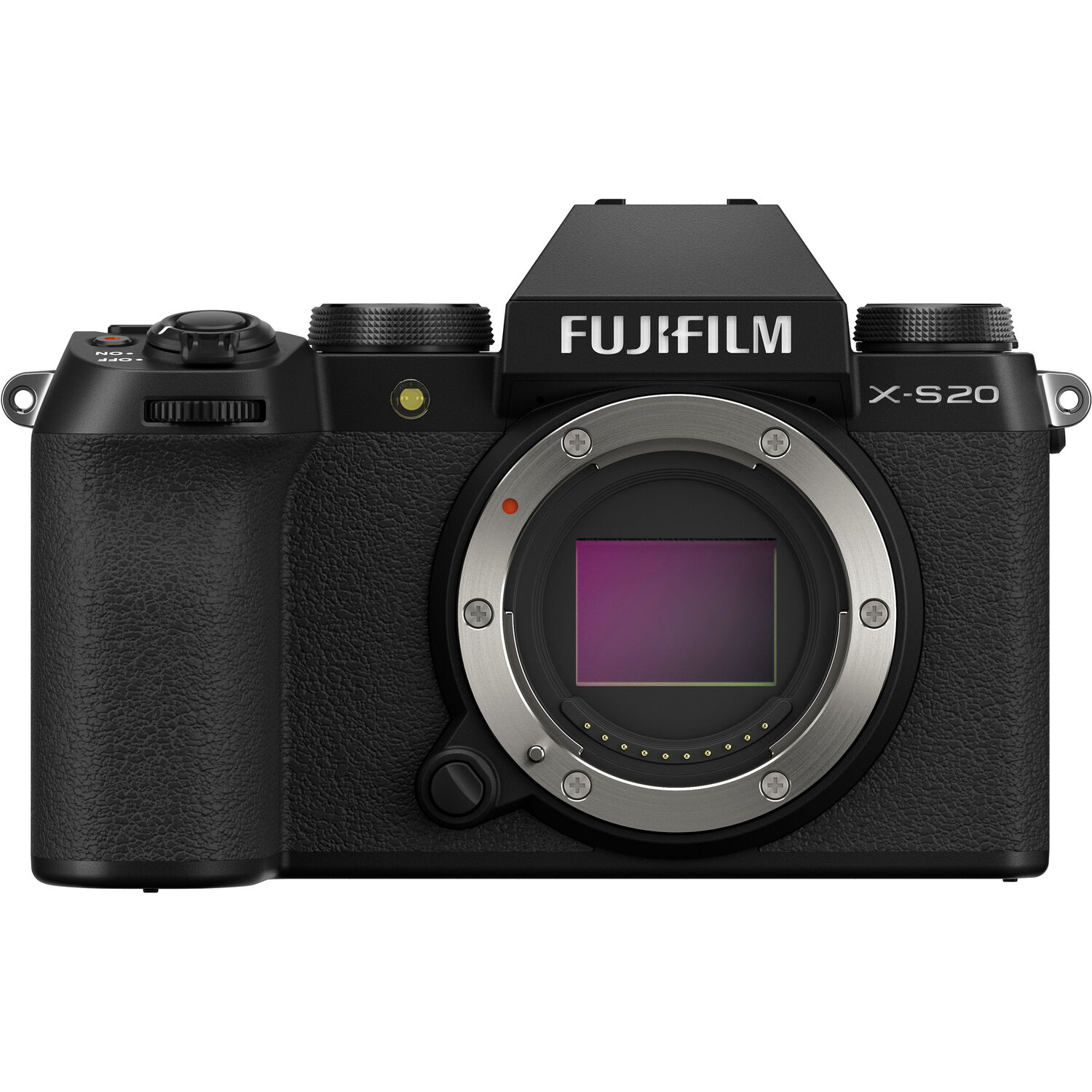
Since many people find it hard to choose between a camera and a video camera, this hybrid tool fills the gap by giving great tools for both tasks in one small frame. The tactile dials change settings right away, which helps when you're moving through a crowd. For images that look like film, Fuji's film simulations are the in-camera answer to the 8K-reframe pipeline.
Frequently Asked Questions
Is a 360 camera different from a normal camera?
Choosing a 360 camera allows you to capture everything around you without worrying about the framing, which is the main advantage over standard cameras during travel. Normal cameras require you to set your shot perfectly before you ever hit record.
Why do I need a powerful computer for this footage?
Processing high-resolution footage from this camera requires a very powerful computer to handle the large file sizes and technical demands during the editing process. Smaller laptops might struggle when you try to edit these immersive video files quickly.
How is the battery life on long travel days?
Using this gear on long travel days requires carrying extra batteries because the constant recording consumes energy much faster than most people might expect. You might find yourself without a charge before reaching your next destination or hotel.
Is the Insta360 X4 waterproof?
Since this specific model lacks an official waterproof rating, you need to use a protective case if you plan to film in rain or near water. Getting water inside the lens could ruin the internal components and end your trip.
How hard is the reframing learning curve?
The reframing process involves a learning curve where you digitally choose your final camera angle after you have already finished filming the scene. It takes time to master how the software moves the frame for cinematic shots.
The reframe question is where the 360 pick lives or dies: shoot everything, then choose the angle in the app. The French 2-star reviewer has found that the stabilization carries the image, and the reframing is the price.
The workflow is the other half: one owner has warned that you need a powerful computer, and the Italian owner's playback failure at month three is the reliability question the spec sheet skips. Two spare batteries and a hard case are the travel kit's real cost - the camera is the cheap part
The travel tripod page pairs the support, and the gimbal field guide is the stabilized-motion cousin, the travel audio kit covers the sound side, the travel-bag comparison holds the carry question, and PetaPixel's 360 coverage tracks the X4 line from the photo side.
No Film School's travel-gear guides frame the same kit from the production side, and TechRadar's action-camera reviews cover the X4's rivals from the consumer side. Check B&H's 360 camera stock for the bundles.