
3-Axis Gimbal Stabilizer Review: DJI RS 4, Crane 4, and the Edges
A camera gimbal looks simple in the photos: three motors, a handle, and a camera that seems to float. The hard part starts after you buy one, when you have to balance your own rig on it, with the lens, cage, monitor and battery you really shoot with.
That's why the weight your rig adds up to matters more than the headline numbers. A small gimbal that's perfect for a mirrorless body and a light lens can struggle once a cinema camera or a V-mount battery goes on top, and a big one can turn a long wedding day into a workout.
The picks below run from DJI's value model to the heavy-duty tier and a budget option, each matched to the kind of rig it suits.
The DJI RS 4 is the smart choice now that the RS5 costs less, because while it isn't quite as smooth or stable as that older model, you can get great results if you use the right technique.
Using this tool feels like an athletic endeavor for some, but the battery life during weddings is awesome for any professional filmmaker. It's a significant step up from older gear like the Ronin-M, though some users find it requires too much tinkering. The price cut settled the argument.
DJI RS 4: The Value Pick
Since the RS5 came out and the price dropped, this gear has become a smart choice for photographers, even though it isn't quite as smooth as the newer version today.
It's hands-down the best one they've ever owned, one reviewer says, because it works well for daily tasks. It feels like a real step up from the Ronin-M, and it's definitely worth the change for most pro users. You can get great results if you use the right technique, while you are moving through a shot.
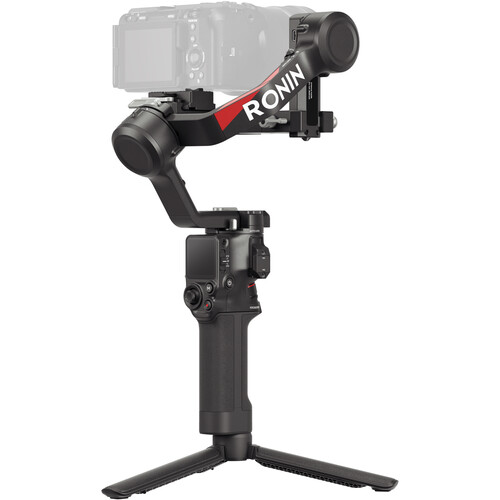
For run-and-gun wedding work, you'll find that the battery life is awesome because it lasts through long days without needing a quick charge.
It handled a 12-hour wedding without any issues on the battery, one reviewer has noted. The camcorder-tier alternative never needs the counterweight dance at all. This gear keeps the shot steady while you move quickly through a crowd during a very busy event, which is the kind of day that owner has described.
While the hardware is great, shooting with this tool is borderline an athletic endeavor because it requires a lot of physical effort and focus from the person operating.
You should watch out for the sleep mode, because it's a major flaw according to some users. If you type in RS4 sleep mode, you'll see it's a problem that ruins your workflow. The photo below shows how the rig sits in a real setup.
DJI RS 4 Mini: The Two-Owner Vote
It's the best gimbal they have ever owned, another reviewer claims, and they now own two of them, because it works so well for daily shoots. It connects to the camera via bluetooth instantly, so you can stop and start recordings without touching the gear.
The Canon R10 worked even though it wasn't listed in the official specs, which surprised one buyer - the compatibility list lags the firmware. Speed is where this rig earns its keep.
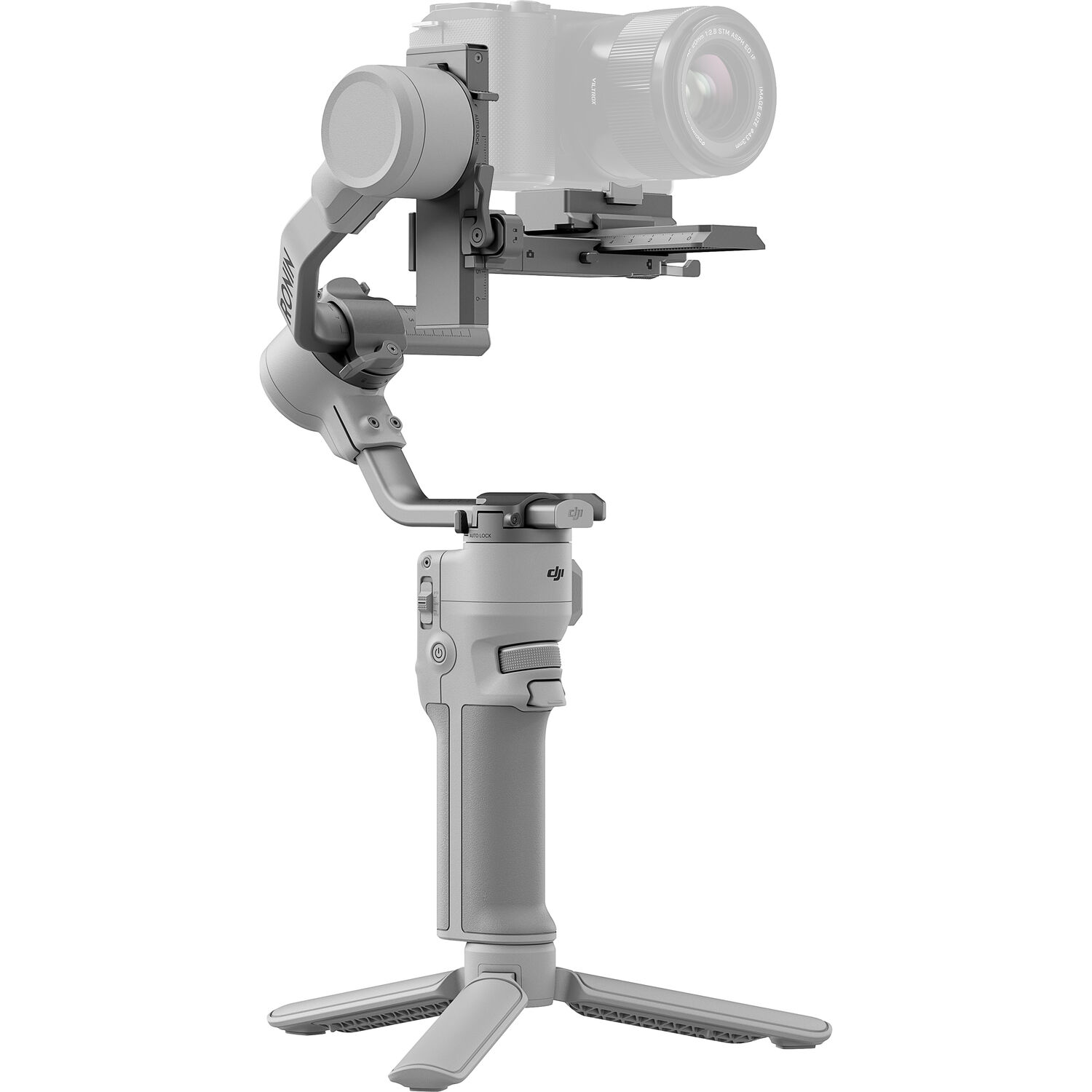
While one person noted the tool was too small for a heavy camera, it doesn't actually weigh over four pounds when the lens is attached to the frame. The light weight helps on long days of running and shooting. The limit is real though - the buyer's setup exceeded it, and 'was too small for my heavy camera' is what they wrote.
Charging is where a bad experience shows up: one owner's gimbal wouldn't charge at all and stayed stuck at zero percent even after repeated attempts. Such a hardware failure can ruin a project, since everything relies on power.
Check the battery on arrival. For lighter rigs, the verdict stays high.
The Zhiyun Crane 4 can handle almost any setup you throw at it, but you need to add the extension arm if you're using cinema cameras or want to fit v-mount batteries. It's one of the few gimbals that fits a Blackmagic 6K Pro with a cage.
The lights on the axis joints show whether the rig is balanced - 'to see if you're balanced or not' - before you start filming. This tool helps pros carry heavy gear during their daily film shoots.
While the build seems strong for heavy rigs, some users have found that the tool keeps failing because the batteries might not work when you first open the box.
Out of the box it was dead, one buyer reports, and new batteries were the fix. Check the joints so everything stays steady while you move. The owners who did had no complaints.
Vibration is one owner's complaint from Turkey, and it can be a huge struggle if you're trying to get smooth footage on your camera. If the shake is too bad, it'll ruin the shots you spent hours trying to capture. If you want a clean look, watch how the motor handles the weight first. The wrong tool at a deadline is a memory that lasts.
RS 4 Pro and Scorp 3: The Edges of the Range
The DJI RS 4 Pro has strong motors that are truly great, which lets you balance heavy payloads when you shoot with a Blackmagic 6K and need a tool that can support that weight. You might find it a bit heavy and cumbersome, but it keeps shots steady even when you're running at a wedding.
The Blackmagic 6K bodies are exactly the payload it was built for. One buyer has mentioned they had to return the gear because many people seem to have issues with this specific tool lately. It works well for live band shoots where you need pro-grade stability every time.
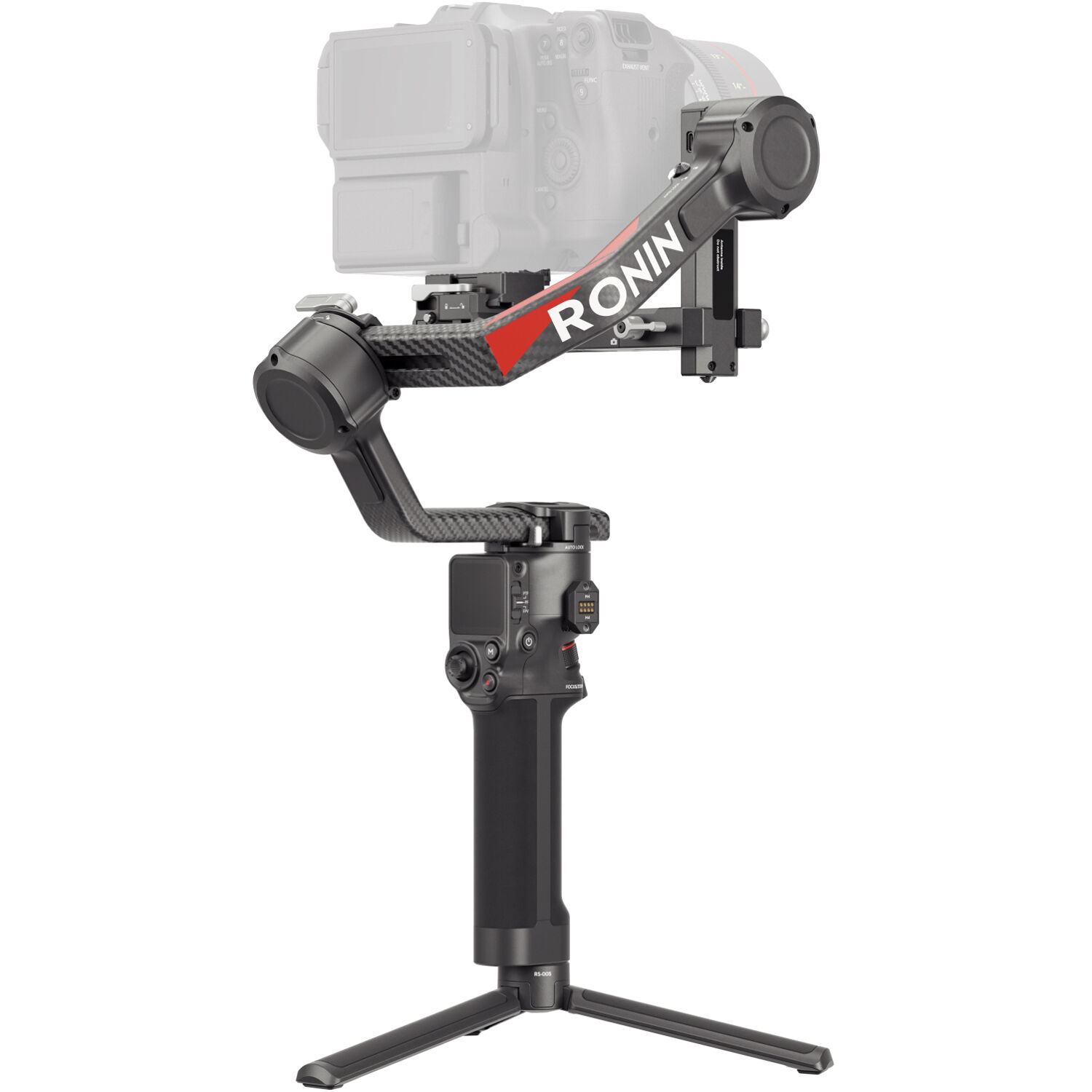
The FeiyuTech Scorp 3 is arguably the best gimbal in this price range because it holds a GH6 with a cage, a Suptig battery, and a Leica lens while leaving room to grow.
One owner has called it "the best gimbal in this price range" and has said it holds a GH6 with a cage, a battery, a 12-60mm Leica lens and an adjustable arm with room to grow. The 14-hour battery is runtime you plan around, not charge around.
The gesture feature feels like a glitch to one owner - 'Gesture doesn't work, rest works' - but the rest works fine for heavy cameras. The quaternion algorithm really does cancel out shake - 'delivers on its promise of cinema-grade smoothness' per a Canon-and-Nikon tester - so clean footage arrives without more money.
PetaPixel's gimbal coverage reads the same trade from the photo side. The monitor pairing is the usual next step after the gimbal - the gimbal keeps the frame level, the monitor tells you what the frame actually is. No Film School's gimbal guides cover the technique side for readers who want the drills.
Which Gimbal for Which Rig
The Mini tops out around four pounds with a lens attached. The RS 4 sits comfortably above that, the Crane 4 and RS 4 Pro above that with the extension arm, and the Scorp 3 holds a GH6 with room to grow. Weigh your heaviest body-plus-lens before you shop - the answer picks the tier for you.
Frequently Asked Questions
How much weight can these gimbals hold?
While the RS 4 Mini handles up to two kilograms, you'll struggle with gear that exceeds four pounds once you add a professional lens. The Crane 4 and RS 4 Pro support much heavier cinema setups with external battery packs - the v-mount logic is the same one the camera owners already run. This ensures your gear won't give out under heavy loads.
Is the sleep mode on the DJI RS 4 reliable?
The sleep mode on this specific version causes significant issues on long shoot days, one reviewer has noted. This might frustrate you if you need to move quickly during a busy event. You'll have to check the settings more often than you like.
Should I get the RS 4 or the RS 4 Pro?
The RS 4 Pro offers high motor strength for heavy cameras, though it feels quite heavy and cumbersome compared to the standard version. The standard version wins for lighter rigs and smaller setups. The Pro version is better if you use professional-grade Blackmagic 6K bodies.
How long does the battery last during filming?
The RS 4 provides awesome battery life for long weddings, while the Scorp 3 offers fourteen hours of runtime for most users. 'The 14 hour' battery is how the owner has written it - runtime you plan around, not charge around. You'll spend less time worrying about running out mid-day - check [B&H's gimbal stock](https://www.bhphotovideo.com/c/search?q= gimbal%20stabilizer&BI=20728&KBID=16230) and match the payload plate to your heaviest body. This helps you keep filming until the party actually ends.
Which gimbal is best for a tight budget?
The FeiyuTech Scorp 3 is the best option in this price range - the Japanese reviewer called it a high-performance gimbal for somewhat heavy cameras - and it handles a GH6 without struggle. It provides high performance without requiring a mid-range money investment. It's a smart move for those starting their journey.