Best Outdoor Webcams for Live Streaming in 2026
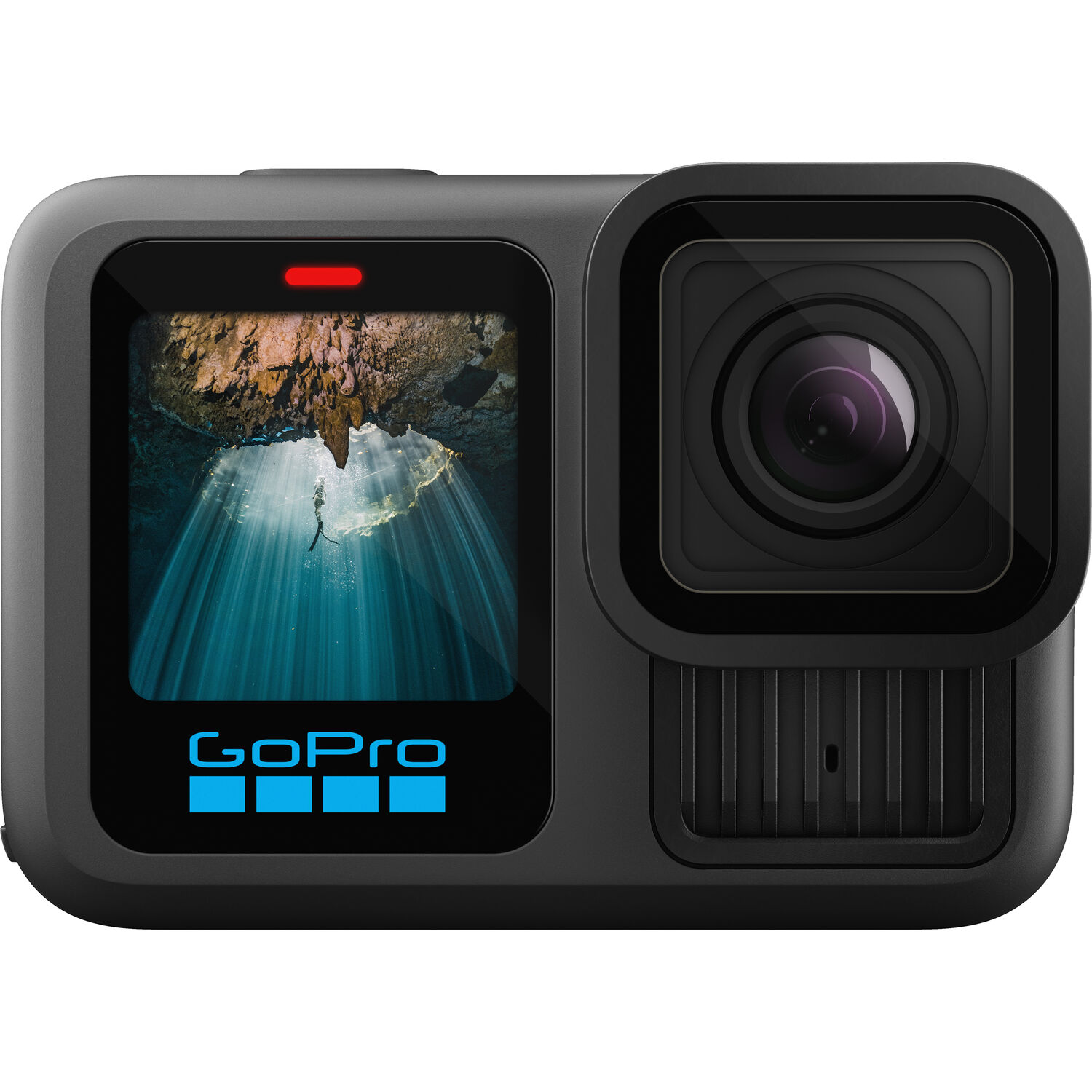
An outdoor webcam is much broader of an application area than many would think. Do you hike with a GoPro HERO13 and go live on YouTube from the trail? Or are you looking for a fixed mount PoE camera to be attached to a barn and stream 24/7 to a public YouTube channel of your alpaca's activities? Or something in the middle such as a portable Mevo Start to stream Little League games from the bleacher seats? Different applications require different cameras.
This guide categorizes actual types of outdoor live streaming cameras, discusses their compromises and potential cameras to consider. In a nutshell, action cameras provide mobile streamability from your smartphone's hotspot, network IP cameras with RTMP allow you to install them permanently in an unattended manner, and dedicated streaming cameras like the Mevo are best suited for event coverage. Most people make the wrong purchase decision based on the category they choose, therefore that is where you need to start.
Action Cameras for Portable Live Streaming
The GoPro, Insta360, and DJI Osmo Action category covers the smallest, most rugged, and water-proof cameras available for live video streaming via Wi-Fi to your smartphone using a mobile hotspot or smartphone app. These cameras are also capable of taking a drop from a rock and withstanding some rain and dust. The biggest limitation of all three cameras is battery life, typically about one hour of live video before having to be swapped or recharged.
Action cameras provide their best results when you can be physically present near the camera as well as broadcasting live to your smartphone for an allotted time frame. Examples of ideal applications include hiking, biking, fishing, sideline at sporting events, and music festival coverage. They were never intended for use in long-term 24/7 unattended streams.
The internal storage and recording features available are extra perks but generally most users will be streaming live and relying on either the cloud or YouTube to store the video archives of their broadcasts.
The HERO13 has earned praise from users for its HB-Series lens mount that allows you to switch lenses for ultra-wide angle or macro shot capabilities with no need for a different body. Many of those using it have praised the improved low light performance over previous Hero models. In addition, users have noted that the built-in HyperSmooth image stabilization works very well when they are in motion, while an IP camera cannot provide this type of stabilization.
Dedicated Streaming Cameras like the Mevo Start
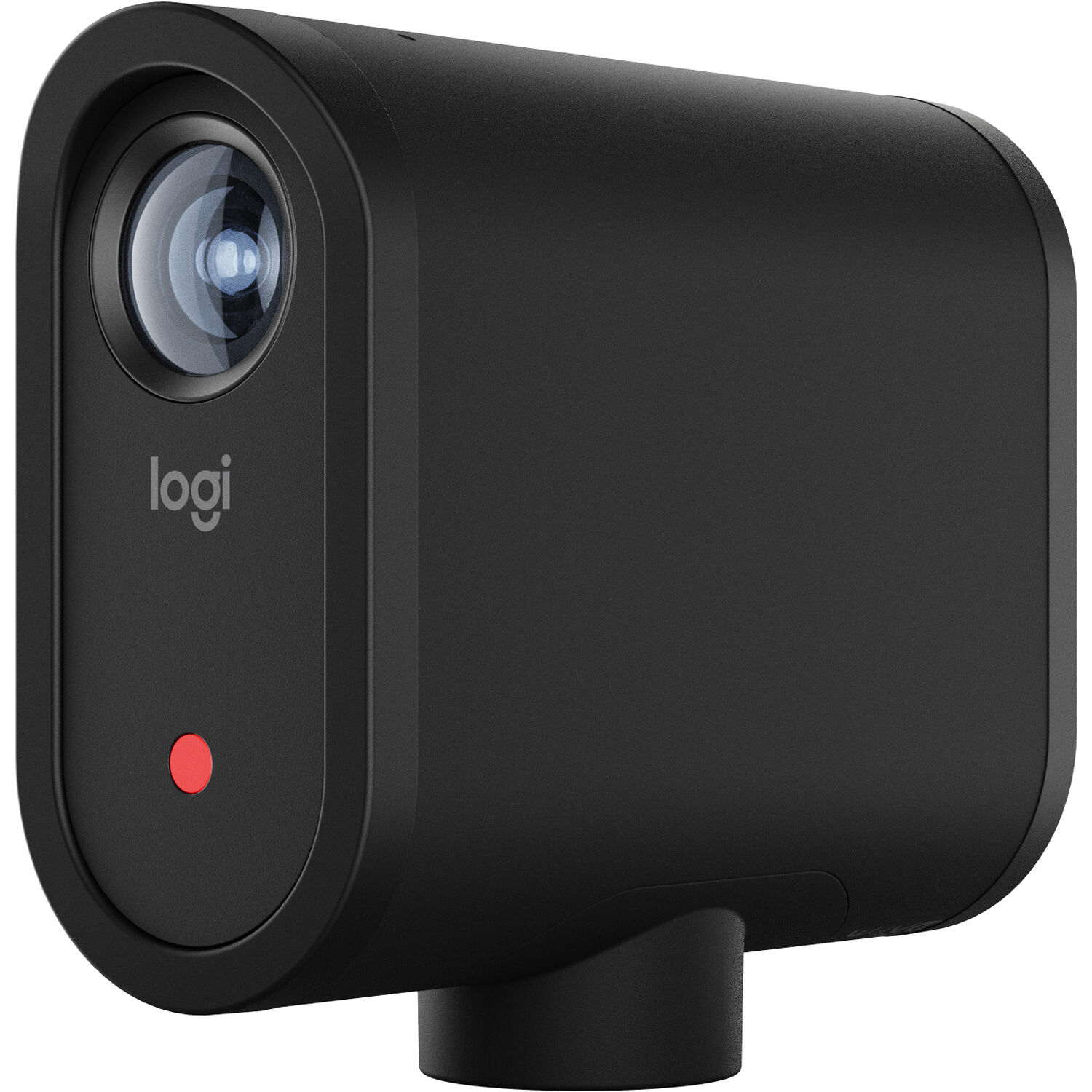
The middle tier refers to live broadcasting cameras that are specifically built into the stream pipeline. The most well-known camera in this category is the Logitech Mevo Start. This camera can be used wirelessly, it comes with an internal microphone, it will run off of batteries, and using the Mevo app you can connect up to three different Mevo Starts to create a multi-camera setup for an outdoor broadcast. The Mevo Start will then send your video feed through LTE or Wi-Fi and transmit the signal directly from the camera to any custom RTMP server such as YouTube, Facebook Live, or Twitch.
Don't take it outside in bad weather. It's not entirely waterproof. Rain with some type of cover is okay. Prolonged rain or extreme cold requires a protective case. Users are fond of the unit's ease of use as well as its ability to be controlled via apps, eliminating the requirement to haul a laptop and OBS software into the field. Additionally, since multiple units can run together, users can easily transition between different camera angles without having to utilize a separate video switcher. This product has been very popular among individuals that shoot live streaming events of youth sporting events, outdoor wedding receptions, and church services from a parking area.
The battery lasts about six hours with continuous video streaming. That should cover nearly all event situations. If you need to run the unit beyond that time, you could use a USB-C portable battery pack. The audio side is your weakest link in terms of performance. When working outdoors, the built-in mics tend to capture excessive amounts of wind and crowd noise. To ensure quality audio, I recommend using an external USB or 3.5mm microphone when shooting outdoors.
Outdoor IP Cameras with RTMP for 24/7 Streaming
The third type includes permanent outside-mounted IP cameras that natively support RTMP. The primary use case for these types of cameras is 24/7 unattended live streaming. Examples include webcams for beach views, mountain scenery, parking lots, ranches, or construction areas. Since they are used as permanent mounts, they receive their own power via Power Over Ethernet (PoE) and send a video feed directly from the camera to YouTube without the need for a PC running an application such as OBS.
At the professional end of the spectrum, the Bolin EXU420F EX-ULTRA 4K60 Outdoor PTZ Camera is used by those that broadcast from outside venues. It's built to withstand harsh weather conditions, it offers true 4K at 60p, provides full PTZ movement, and is capable of outputting video through SDI as well as NDI and RTMP connections simultaneously.
The Bolin is a great option when deploying a long-term installation at an outside venue such as a stadium or marina or other commercial installations where your stream cannot go down. However, this unit will cost you. In exchange for the cost you receive the highest quality build materials and codec performance possible. The Bolin is available at B&H.
The Reolink RLC-823A will be your best bet if you are planning to do low-cost 24/7 outdoor live stream broadcasting. The RLC-823A is weather-resistant at IP66, can run off of PoE so you only need to run one cable, records at 4K, and can natively support direct RTMP video streams to YouTube after you set up the correct URL in the camera app. The reviewers have consistently said that setting this thing up initially was somewhat painful, however they say you can simply let it run for months without having to worry about anything.
IP Ratings, Power, and What Outdoor Really Means
When it comes to selecting the right outdoor camera, there are a few specs to consider. The one that matters the most is the IP (Ingress Protection) rating. The IP rating has two numbers which help determine how well your camera can withstand dust or water. For example, with an IP66 rated camera, you can be sure it will prevent all dust from entering as well as protect against being sprayed by powerful high-pressure washes of water. If your camera has an IP67 rating, then you can know it is dustproof in addition to withstanding submersion underwater to a depth of one meter for thirty minutes. Finally, if your camera has an IP68 rating then it will do even better at withstanding submersion underwater.
For the majority of installations in which you will be installing your camera permanently outside, an IP66 rating should be sufficient for that purpose. The Reolink and Bolin cameras have ratings of at least IP66. Both the GoPro and DJI Osmo Action action cameras have ratings of IPX8, therefore both can be submerged underwater. However, the Mevo Start has no protection from the elements, thus it would need to be installed either inside under a roof or inside an enclosure. Always check the specification sheet before assuming that your equipment can function properly outdoors.
Power is a factor. Permanent installations require using PoE. Using PoE means there is only one cable for each camera that provides power to the device as well as the ability to send data. The maximum length of this single cable in an active PoE setup is approximately 100 meters from your switch. For battery-powered devices, you will have to make changes to batteries or replace them with solar chargers for long term outdoor use. Some streaming cameras may be able to take advantage of USB-C power, however they do not lend themselves well to running cables long distances. As such, plan out how you will supply power to your camera prior to mounting.
RTMP, NDI, and How Streams Reach YouTube
The main difference between an outdoor camera that supports streaming and a normal security camera is whether it has native RTMP capabilities. Native RTMP refers to the ability of the camera to send a stream directly to your designated live destination such as YouTube, Twitch or Facebook using the RTMP protocol. If a camera has native RTMP capability then you do not need a computer running OBS to send a stream to your desired live location. Examples include the Reolink RLC-823A, the Dahua HDW5831R-ZE, and the Bolin.
If you have an RTMP-compatible camera, it is plug-and-play. However if your camera does not have this capability then you will require either a computer or capture unit. This can be accomplished using a video capture card that will convert your HDMI from your camera into something the encoder will understand, or you may use the RTSP feed from your IP camera as long as you are running it through your PC and OBS software. Both of these methods work, however having a second PC in your chain adds another piece of equipment you would need to keep up and running 24/7 for unattended streams.
For action cameras like GoPro, manufacturers handle the RTMP setup via their apps, such as GoPro Quik, Insta360 app or DJI Mimo. These applications connect to the camera by Bluetooth then stream using your cell phone's built-in hotspot. The benefit is that you don't have to set up the camera like an IP camera, but you will need to keep your phone close in order to conduct a live feed.
Multi-Cam Outdoor Streaming
The most straightforward way to stream an outdoor event using multiple camera angles is by using the multi-cam function in the Mevo Start app. The multi-cam feature will allow you to connect as many as four different Mevo Start cameras to the Mevo app running on either an iPad or an iPhone. Once connected, the Mevo app controls the camera angle changes, framing, and sends a single combined live video feed to whatever device you have chosen for receiving the signal. Because this system doesn't require a computer to run, you don't need to worry about setting up OBS software, connecting a capture card, etc. This makes the Mevo Start multi-cam the simplest method available to create a multi-camera shot for both an outdoor sports event like a soccer match, as well as weddings.
Once we move into larger production environments, then we are talking about a full on outdoor church live stream setup that is equipped for a true broadcast environment using SDI cameras, an outdoor switcher, and the rest of the chain, versus just using one or two webcams.
Specific Picks by Use Case
For hiking or outdoor biking content, and run-and-gun style of live streaming, there is no better than the GoPro HERO13 Black. It's small enough to take on any trip with durability, has good enough live streaming for most situations. HyperSmooth handheld footage is perfect for run-and-gun styles of video. With the HB-Series lens system you can get a wide shot or tighten up the shot without buying separate cameras. Reddit users and reviewers rave about the HERO13 for live streaming from portable locations.
For all types of outdoor events such as sports, festivals, for multi-camera production or to simply get better coverage, the best thing I've found has been the wireless, battery-powered Logitech Mevo Start. The mobile app based workflow is so much simpler than lugging a computer around. Add an external microphone to your camera and you now have a very legitimate outside broadcast setup from a tripod and smartphone. For audio gear options that handle outdoor mics well, a small USB mixer or wireless lav pairs nicely with the Mevo.
For 24 hour, 7 day unattended live video broadcasting use the Reolink RLC-823A camera with built-in PoE support at a resolution of 4K, along with a native RTMP output and an IP66 rating. The user can mount this product, position the lens to capture their desired subject, and then forget about the entire setup. This is usually used for weather cameras, by businesses that want to stream their marketing, or as a public livestream of a view.
For applications that cannot afford a single second of down time, with commercial broadcasting on an outdoor location for instance, the Bolin EXU420F or another similar high-quality PTZ is the right call. Outputs include both SDI and NDI, true 4K at 60Hz with no scaling, built for long-term operation in harsh weather conditions at IP66 rated, and have the build quality to withstand being exposed to the elements for years. Yes they are expensive, but if your application will be relying on equipment that cannot fail then you cannot use amateur equipment.
Frequently Asked Questions
Can a regular webcam work outdoors?
Standard webcams like the Logitech C920 or Brio are not weatherproof. The length of your USB cable will be limited to about 5-7 meters. For that reason, you should either opt for an action camera, a weather-rated IP camera, or build an outdoor enclosure around a standard camera. If you need something in-between to provide protection from elements, the Mevo Start would likely be a good option for using outdoors but still providing some protection.
What's the best outdoor camera for 24/7 YouTube streaming?
Reolink's RLC-823A is ideal for consumers, while Dahua's HDW5831R-ZE is most often recommended by users of r/VIDEOENGINEERING. Both can stream directly to YouTube via RTMP with no PC in between. For business applications, we recommend Bolin's EXU420F.
Do I need a PC for outdoor RTMP streaming?
Not if it's using its own native RTMP. The Reolink, Bolin and almost all of the Dahua outdoor IP cameras are capable of pushing directly to YouTube or Twitch via RTMP on their own. No OBS needed. If it is only outputting through RTSP or HDMI then either an OBS PC or a hardware encoder will be required.
How do I handle audio for outdoor streaming?
Built-in microphones on most of the top rated action cameras as well as the Mevo Start tend to have way too much gain from picking up wind when you are doing something with some seriousness. Using a dead cat windscreen on your camera's built-in microphone can help reduce that amount of background noise. Or simply use an external lavalier or shotgun mic plugged into your camera via either the 3.5mm input jack on your camera or via the USB-C port. If using an IP stream camera that is stationary and has no movement, then placing an outside-rated, waterproof microphone next to your camera will give you cleaner audio than what your camera picks up.
What IP rating do I need for an outdoor camera?
IP66 is the minimum for permanent outdoor mounting. That gives you dust-tight protection and resistance to heavy rain. IP67 or IP68 is better for areas with occasional submersion risk like coastal installs. Don't mount anything below IP65 outdoors unless it's under a deep covered porch.
Can the Mevo Start really stream over LTE?
Yes, the Mevo Start will be able to send your video feed via wireless Wi-Fi or via cellular data through your phone's LTE, as well as an ethernet cable with the Mevo Ethernet Adapter if you want to avoid wireless. If you are doing an outdoor event and you have no reliable access to Wi-Fi, using your LTE connection from your phone should work just fine at 1080p as long as your cell service has good enough upload speeds. It would be best to test this first as cell tower availability varies greatly.