
Low Cost Digital Cameras for Video: R50, ZV-E10 II, a6400, G85 and More
A low-cost camera for video is usually a first step up from a phone, and the goal is simple: better pictures, real lenses and sound you can control, without spending money on features you won't use for years.
That first step is easy to get wrong, because cheap bodies make their savings in places the spec sheet doesn't show. A loose port, a lens that makes the kit too heavy, or a camera that overheats on long clips can matter more day to day than another megapixel.
Below are the safest all-round pick, two Sony paths, a color-science option and a value pick, plus action and pocket cameras for footage a mirrorless body can't get.
The Canon EOS R50 is the safest first interchangeable-lens body for video, the used Sony a6400 is the value play with a verified three-year track record, and the Lumix G85 covers filmmaking on a tight budget. This guide ranks seven bodies on verified owner reports - including the flaws the marketing skips.
Canon EOS R50: The Best All-Around Budget Pick
The Canon EOS R50 stands out for people who want to move from a phone to a real camera without spending a lot on high-end gear. It comes as a dual-lens kit, which gives you enough tools to start exploring different styles of shooting. It fits first-time buyers well because it stays simple to use, and the light body spares your neck while you learn.
One of the best things about this camera is the dual-pixel autofocus system, which keeps your subjects sharp even when they are moving around the room or the light changes quickly. Across its 259 ratings, no notable complaints surfaced in the verified sample - a clean bill for a budget body, and B&H's R50 kit listings show the bundle pricing that makes it the entry default.
As a budget option that won't break the bank, this setup gives you better quality video without the headache of complex menus.
You won't have to fight with difficult software or heavy parts that slow you down. This camera ensures that your first step into interchangeable lenses stays smooth, rather than becoming a chore. The kit means you shoot this weekend, not after a lens-research weekend.
Sony ZV-E10 II and a6400: The Sony Two-Path
The Sony ZV-E10 II is a great tool for people who want video, but you should be careful because some units have wobbly USB-C ports and grey imports that often crash.
You should buy from reputable sellers so you don't end up with a piece that fails while you film. This camera offers a lot of features, yet the hardware flaws are a real risk if you use it every day. It stays a strong pick for studio-bound creators, and the port issue matters most for anyone who charges and transfers on the move.
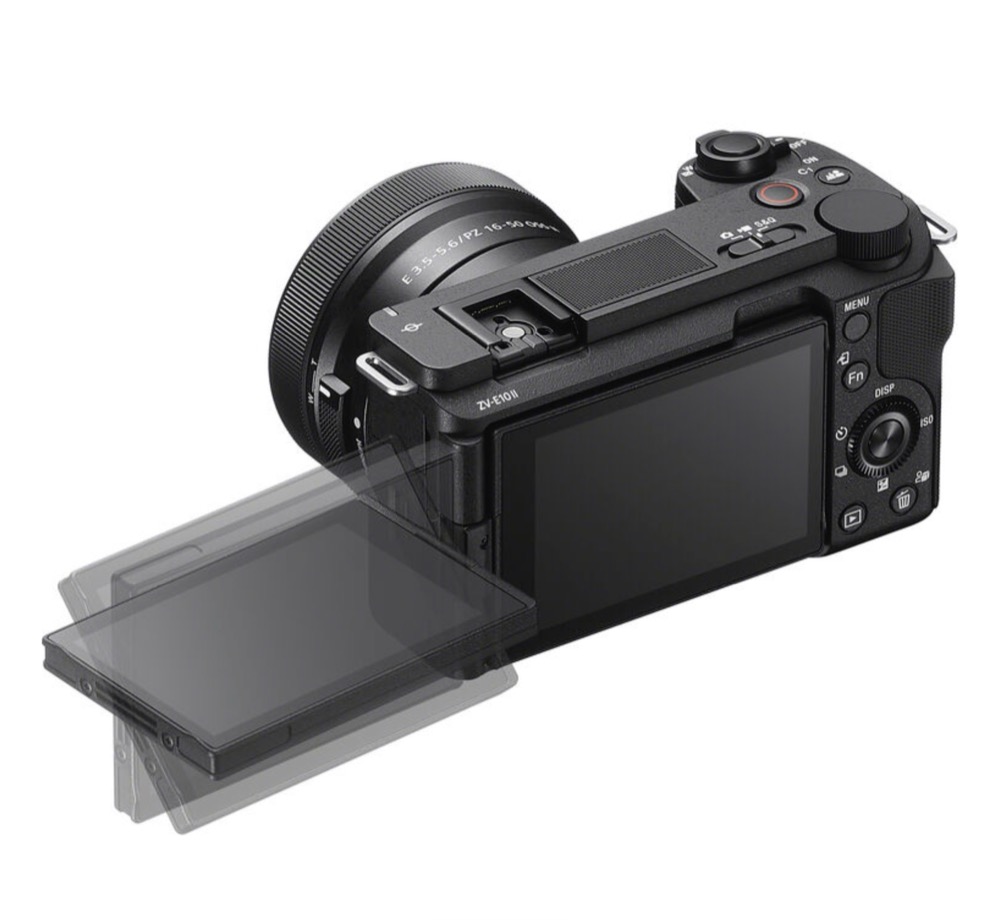
Buying a used a6400 is a smart way to save money because one reviewer says it is still one of the most capable APS-C cameras today. This older model holds up well over time, which shows that the internal tech still works for modern video. You'll find great deals on the used market, but check shutter count and seller history before you pay.
When you choose between these two Sony paths, you have to decide if you want the newest tools or a proven body that has worked for three years without failing.
The ZV-E10 II feels fresh, yet the port issues are a hard sell for anyone who travels often. The used a6400 is the lower-risk path: three years of ownership reports and none of the new-body port complaints. Both cameras give good video, but the risk levels differ based on how much you value your gear.
Fuji X-T50 and Lumix G85: Color Science vs Value
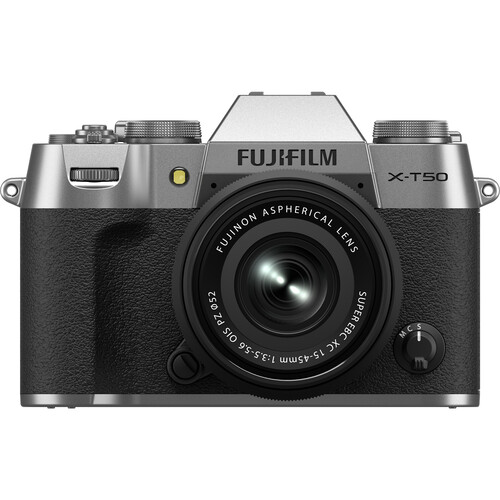
Many people love the Fuji X-T50 because the colors look great, yet one buyer sold their unit since the zoom lenses were just too heavy to carry comfortably during long shoots. You'll find the skin tones look rich, but the weight of the glass can make your arm tired quickly. If you walk all day, that weight becomes the reason the camera stays home.
The Lumix G85 earns its spot for shooters who want to minimize editing as much as possible, because the video files look good right out of the camera. The MFT system gives you a lot of help, though you should watch out for the loud beep sounds. One owner suggests you turn off the E-shutter volume, so the noise doesn't annoy you while you are filming.
Choosing between these two cameras depends on whether you care more about perfect colors, or if you need a tool that saves you time during how you work. The Fuji makes the more beautiful image, and the Lumix wins on value and practicality. A camera left home because the bag is heavy takes zero pictures.
Action and Pocket: HERO13 and Osmo Pocket 3
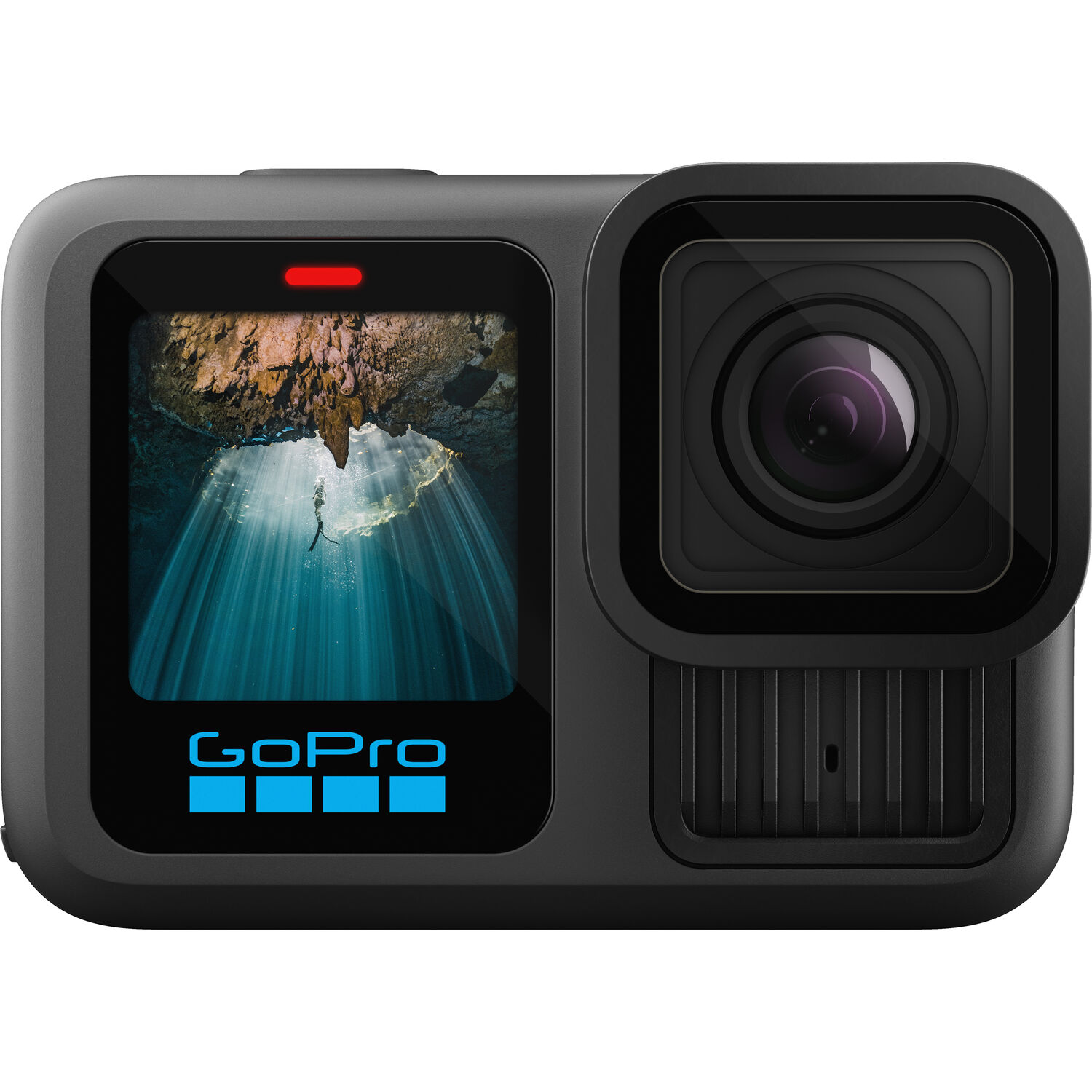
While the GoPro HERO13 gets praise from dirtbikers who say it survives hitting branches and rocks all day, some buyers report a pattern of major flaws that ruin the experience. One user documented overheating and shutdown even in mild 75-degree weather, which makes extended outdoor recording a gamble. They also found the Quik app is buggy and the battery won't charge past eighty-five percent anymore.
One user has seen three separate units where the rear touchscreen went black, so it feels like a real risk. Buy it for abuse tolerance, but check the return window early.
The DJI Osmo Pocket 3 produces amazing footage that people love, but the built-in gimbal makes the whole thing feel very fragile for travelers who go far often. One user has said it isn't durable travel gear because the moving parts are so easy to break. It rewards careful hands and punishes pockets - a packed bag with keys against the gimbal is how these die.
Choosing between these two depends on whether you need a body that can take a hit or a tool that makes the best video without any effort. If you travel rough terrain, the GoPro is your only bet, even with the heat and app issues. The Pocket 3 wins on image quality for anything gentler.
Pick the GoPro when the trip is the story, and pick the Pocket 3 when the footage is.
Frequently Asked Questions
Which camera is best for starting YouTube?
The Sony ZV-E10 II and the Canon R50 are top picks for creators who want to start a YouTube channel quickly. These models help you get professional results without needing a complex studio setup. You'll find that the interface is very friendly for beginners.
Can I get 4K video on a tight budget?
Every camera on this list can record 4K video, though the Lumix G85 offers great stabilization to keep your footage steady. You'll save a lot of time editing when the footage looks smooth. This is especially helpful if you film without a handheld gimbal.
Is it safe to buy a used camera?
Buying a used Sony a6400 is a smart move if you check the shutter count and buy from a reputable seller. Avoid grey-import units because they might crash or lack support. Always ask for the history before you spend your money.
Do I need an external microphone for video?
Both the ZV-E10 II and the Canon R50 feature a 3.5mm jack and a hot shoe for better audio gear. These ports ensure your voice sounds much clearer than the internal mic. Adding a small mic will make your videos feel more professional.
Which camera performs best in low light?
The Sony a6400 and the Fuji X-T50 use large APS-C sensors that handle dark environments very well for your needs. You'll see less grain when you film indoors without heavy lighting. This allows you to capture great shots in dim restaurants.