
Best Camera With Video Recording: Seven Picks for Filming
Almost every camera shoots video now, which makes choosing one for video harder rather than easier. A stills camera with a record button, a vlogging camera, a camcorder and a cinema body can all claim 4K, but they're built for very different days of shooting.
The real differences are in the parts that don't make the box: how long it records before it stops or overheats, how well it keeps a face in focus, how it handles sound, and whether you'll actually carry it.
Below are the best all-round pick, a creator camera, a compact, a serious filmmaking body, and a few more for specific needs like event coverage, action and tight budgets.
The Sony a7 IV remains the best overall choice for video, the ZV-E10 II serves creators, the ZV-1 II travels light, and the FX3A handles serious cinema work. You might consider the Canon Vixia HF G70 for camcorder work or the GoPro Hero 13 for action, since the Lumix G100D fits a budget. The right pick depends on whether you need portability or professional cinema features.
Best Overall: Sony a7 IV
The Sony a7 IV holds a 4.7 rating from 768 buyers, the deepest owner sample in this guide. The verified pattern is consistent: shooters who switched from Canon or Nikon call the autofocus strong and the body reliable, and long-time owners praise the improved menus. Dual card slots and a battery that covers a full shoot round out the case.
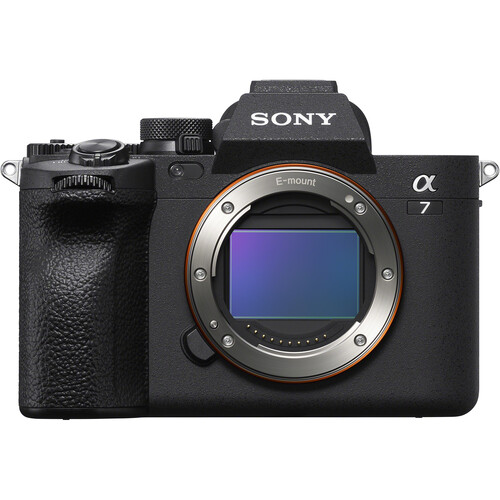
For video-first buyers who also shoot stills, that combination makes it the default. The wedding videography guide covers this body in event-specific detail.
Best for Creators: Sony ZV-E10 II
One reviewer has found that this camera delivers everything they need to make content without breaking the bank, which makes it a top pick for people who want to start filming right now.
A repeat buyer said if they buy a camera again, it won't be by chance because it truly works for them daily. You'll find that the tool helps you grow your channel, without needing to spend too much money on extra gear. It keeps costs low while you focus on shots that look good.
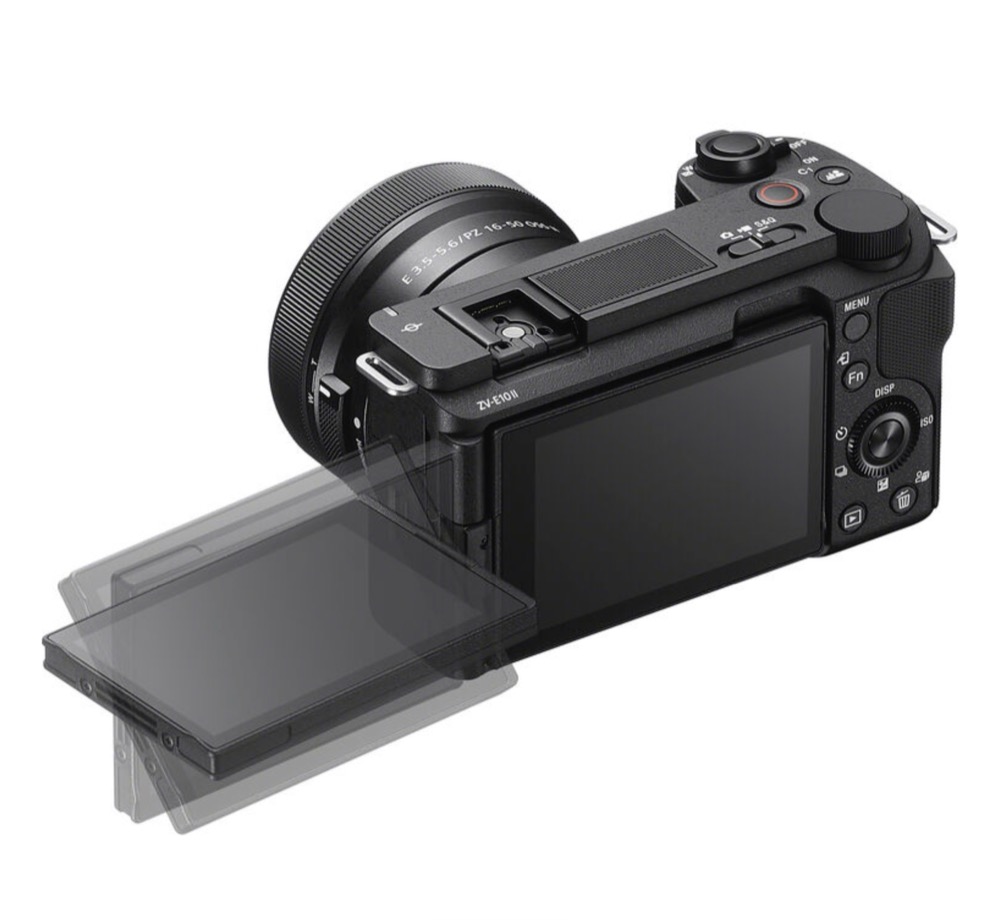
Some buyers have noted that the USB-C port feels wobbly from day one, because there is visible play on the original cable when you try to plug it in very tight.
Check the port when it arrives so you know whether it shakes around too much. Avoid grey-import units, because they might crash every few seconds or ship with bad sensors. You don't want the camera dying mid-shoot.
Buy from a third-party seller and you might end up with a substandard sensor that loses your work during a long shoot.
Stick to main listings. A bad unit means wasted time fixing gear instead of learning to edit. It stays a solid choice if you want a tool that works without constant worry.
Best Compact: Sony ZV-1 II
For a pocket-sized vlogging camera, the Sony ZV-1 II works because it offers a great focal length for selfies and looks fantastic in daylight.
One reviewer says the video quality is great, which helps when you want to look professional. You can capture smooth slow motion easily, so your clips get a professional feel without extra gear. It stays a solid choice for people who shoot mostly when the sun is bright.
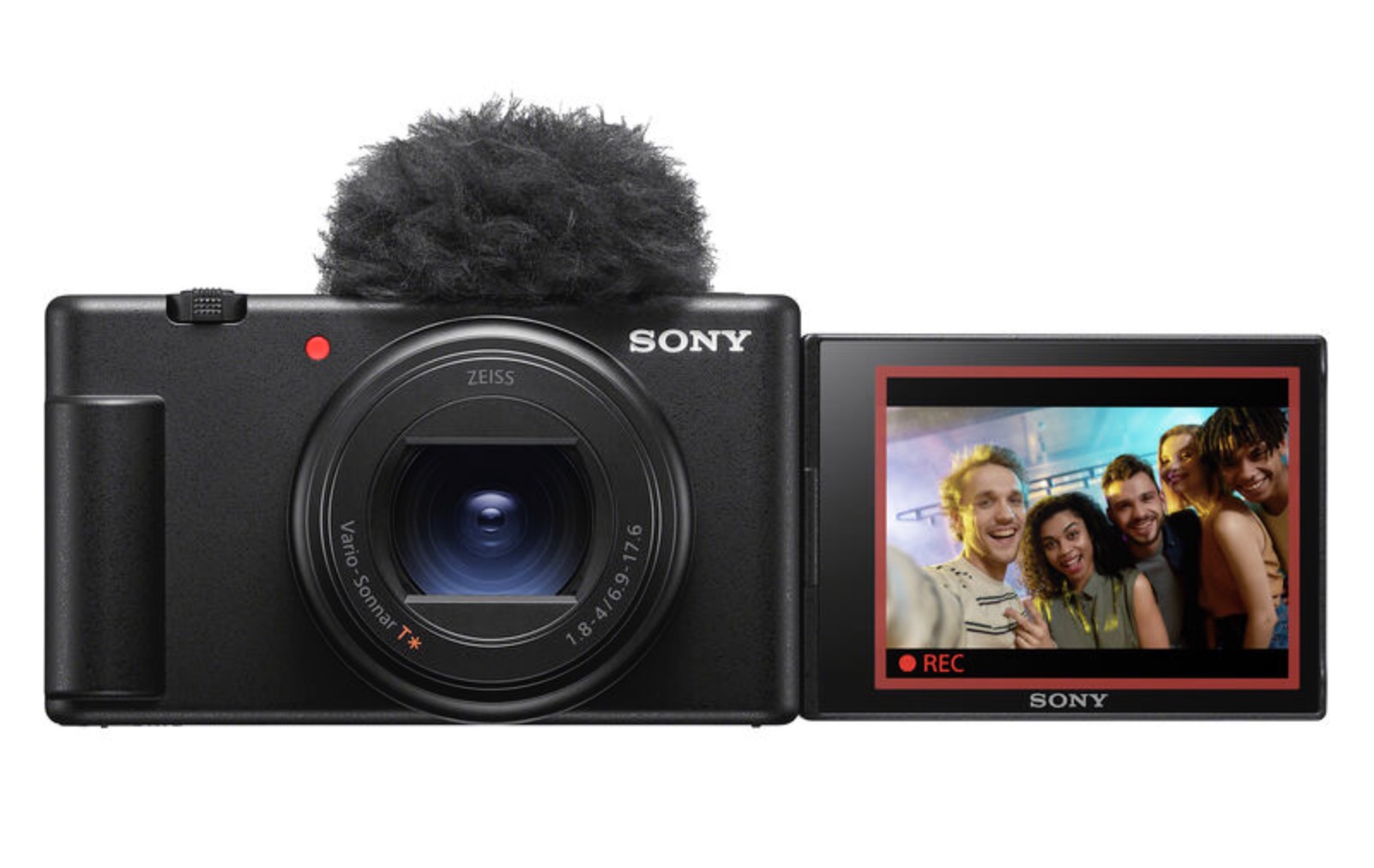
You might find the setup frustrating because the lens extends on its own while inside a bag, which drains the battery since there is no lock to keep it closed.
Owners often pull the battery out to travel, so they stop the power drain while the camera moves. This is a major flaw. Check your box first, because some units arrive without the memory card or the USB-C cable.
You should skip this camera if you plan to film in low light because the image quality falls apart when the sun goes down or rooms get dark.
It works best for daylight vlogging, but you must watch out for how the lens moves. This small tool is great for specific needs, provided you stay in bright spots. It is a simple way to start video if you don't need to perform in very dark settings.
Best for Serious Filmmakers: Sony FX3A
This camera is built for people who want professional film because it instantly feels made for video, and it delivers a clean cinematic image with skin tones that make every shot look great and natural.
You'll love how the sensor handles light, which helps you capture clear footage in dark rooms without extra noise. It stays cool during long shoots, so overheating is less of a worry than on smaller bodies.
While the tool is great, you should be careful because the battery is often on backorder, and some sellers list used-as-new units that might have been treated poorly before.
Buy new and test the body on day one to make sure everything works. This camera helps pros who need high-end gear that won't fail during a busy film set. If you want the best cinematic looks, this is the body.
More Picks for Specific Needs
The Canon Vixia HF G70 delivers outstanding video quality with a sharp zoom that stays clear wide open when you film large events.
You will like the handy exposure-comp knob below the lens, and the dynamic IS keeps your footage very steady. Be careful with grey imports, because Canon USA might refuse to register your warranty based on the serial number. This camcorder works well for zoom-first shooting as it offers value.
The GoPro Hero 13 is the top action camera pick here, but you should know about the overheating shutdowns that happen even when the camera is just at room temperature. The batteries usually last between thirty and seventy-five minutes, which might be a problem on long days out. Owners report it handles rough motorcycle trails well, though the thermal limit is real.
As a budget MFT option, the Lumix G100D is light and user friendly, and it performs well in low light.
You might find the menus complicated, but the overall video quality stays great for most hobbyist projects. Note that this camera lacks a mechanical shutter unless you use a recognized lens with the body. This small frame suits anyone who puts weight above everything else.
The right pick depends on what you film, whether that is a dedicated camcorder or a small camera for travel. Check the specs against what you film, and you'll avoid the technical issues that ruin shoots.
Frequently Asked Questions
Which camera is the best overall for filming?
A verified pattern shows the Sony a7 IV is the top choice because owners switching from Canon or Nikon often praise its reliable autofocus performance. You'll find it works well for a variety of professional projects. This body handles most tasks without any struggle.
Is 4K resolution really necessary for my videos?
Every camera listed in this guide shoots 4K video, since high resolution is the standard at this price. It keeps footage sharp even on large screens.
What is the difference between mirrorless and camcorders?
Camcorders like the Canon Vixia HF G70 offer large zoom and unlimited runtime, while mirrorless bodies provide better image quality and interchangeable glass options. Pick based on whether you need long recordings or professional artistic control.
Can I just use my phone for filming?
Using a phone is fine for casual clips, but you'll miss the lens mount and dual card slots for backing up files. Phones often suffer from overheating limits during long recording sessions too.
What accessories and brands should I consider?
Sony leads the verified video samples here, while Canon excels at camcorders and Panasonic handles the affordable Micro Four Thirds market very well. Grab spare batteries, fast cards, and an external mic for better results. That kit keeps a production running smoothly.