
Best Film Video Camera: Cinema Bodies Ranked by Real Owner Reports
Cinema cameras used to be easy to spot: big, expensive and rented by the day. Now there are compact bodies with the same sensors, box cameras built to be rigged, and mirrorless hybrids that shoot most of the same formats, and they all call themselves film cameras.
For documentary work especially, the differences that matter are practical. Built-in ND filters, audio inputs, how the body holds up after a year of use and what you have to buy before it's ready to shoot can count for more than another stop of dynamic range.
Below are the documentary default, a budget cinema box, a compact option, an RF-mount alternative and a budget hybrid, ranked by what owners have actually reported.
The Sony FX6 remains the documentary default because of its internal ND filters, while the Canon C70 offers RF glass and a DGO sensor if you can handle the fragile hinge risk. The Blackmagic Pyxis 6K is a budget box body with a mandatory accessory budget, the Sony FX3A covers compact builds, and the Lumix S5 II is the value pick when the budget forces the choice.
Why the Sony FX6 Is the Default Choice for Documentary Filmmakers
Many professional filmmakers pick the FX6 as their main documentary tool because the internal ND filters allow them to change exposure quickly without needing to swap out heavy lenses.
An owner says this body is far better than the FX9, so they'll find it much more attractive for daily work. Another freelance operator thinks it's almost perfect for their needs, especially since it works so well during long shoot days. It holds a 4.2 rating from 21 reviews, a small sample.
You might find that there's no 3.5mm jack on the body or the handle, so you must use the XLR K3M module to get all your professional audio.
The UWP kit costs a lot of money, and finding the right adapters seems surprisingly hard these days. That extra cost is real, but the sound quality is worth the spend for most paid crews, and B&H carries the XLR module, batteries and cards so the build completes in one order.
The menu system feels complicated when you first start using it, but most people find that they're adapting quickly once they spend some time with the physical buttons. It stays the default pick for crews who want internal NDs and Sony's autofocus ecosystem in one body.
Blackmagic Pyxis 6K: Budget Cinema Quality
An owner says the Pyxis 6K works as expected and is great, but the box arrives nearly empty.
You're buying a box body for rigging, so you need to buy other parts to make it work. The official Pyxis 6K page lists the 6K full-frame sensor that gives the camera its cinema look. You won't find much in the package, so you'll have to plan your budget for extra gear.
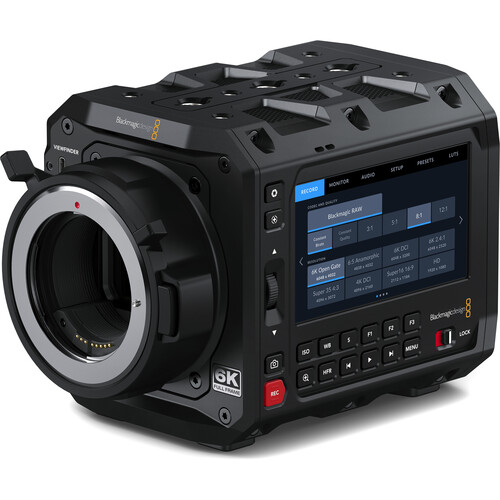
While the photo shows a version with an EF mount, the specific item you might buy is actually the L-mount model, which means you must check which lenses fit before you pay. This camera gives you cinema quality at a lower cost, though you have to do the hard work yourself.
A person who used Blackmagic for five years thinks this tool still works well for their daily needs. It's a solid start.
The camera holds a 4.1 rating from thirteen buyers, and most report the camera performs well once set up. If the accessory budget is out of reach, our Pocket Cinema camera hub covers the cheaper Blackmagic bodies.
The body alone is just the start of the build., which shows that most people are happy with how it performs after they set everything up properly for a shoot. If you don't have the money for accessories, you'll feel frustrated when you open the box.
You can't skip the cost of extra gear, because the body alone is just the start of the build. It remains a practical path to pro footage, provided you can afford the tools you need it.
Sony FX3A: The Compact Documentary Option
The Sony FX3A uses the same sensor family as the FX6 but fits in a much smaller body, which makes it perfect for people who need to work on gimbals or in tight spaces. You'll find that the weight helps you move quickly during a long day of shooting without your arms getting too tired.
It lacks those internal ND filters, which is the main thing that sets the FX6 apart for most documentary pros. This means you have to use external gear, but the image still stays very high for high-end projects. It trades NDs for size, and for many crews that trade is right.
For a camera that stays light while still giving you professional Sony tools, this setup offers a solid path without the bulk of a full cinema rig.
The small size allows you to hide in corners, which helps when you want to capture moments without notice. You can mount many tools to the body, so the rig stays ready for whatever scene comes your way next. While it doesn't have the NDs, how small it is makes it a top pick for fast documentary work.
Canon C70: The RF Mount Alternative
The Canon C70 carries a 3.4 rating from 17 buyers, and that average is dragged down by verified hardware problems rather than image quality.
The image side earns real praise, and Canon's C70 page lists the DGO sensor details: one owner calls the codecs perfect and says with RAW available there is just about nothing the camera can't do. The DGO sensor gives you Canon's color science in a Super 35 body with the RF mount, which opens the same glass the mirrorless line uses.
The complaints are hardware, not image quality. One owner's screen hinge broke after a handful of uses, and another buyer opened a brand-new body to find a deep circular scratch on the sensor. Digital image stabilization "is not working as advertised" per one verified report, and the box ships without a CFexpress card.
One owner's camera stopped recording months in, and the seller denied the warranty over Portuguese paperwork.
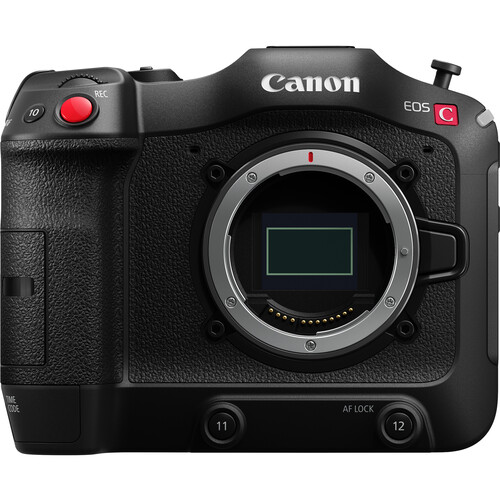
Buy this one from a seller with clean return terms. Inspect the sensor the day the box arrives and fold the hinge into your rig so nothing stresses it. The image is genuinely good, and the verified complaints all trace to build and fulfillment rather than what the camera produces.
Panasonic Lumix S5 II: The Budget Workhorse
The Lumix S5 II sits at the value end of this list with a 4.9 average from just ten ratings, so treat that number as a small sample rather than proof.
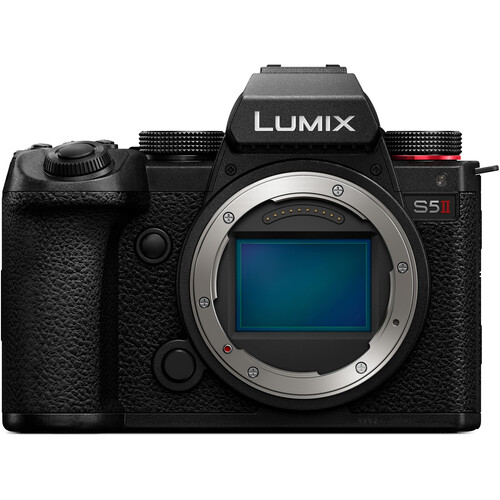
What the body offers is straightforward: a full-frame sensor, 6K video recording and the L-mount, which gives you Leica and Sigma glass on the same mount. It is the pick when the budget forces the choice, or when you want one body for both stills and paid video work.
Skip it if internal ND filters or built-in XLR audio are requirements, because neither exists here, and that is exactly the gap the FX6 fills for documentary crews. For everyone else, it is the cheapest full-frame entry on this page with no verified hardware complaints attached.
Frequently Asked Questions
What is the best documentary camera on a budget?
You'll consider the Panasonic Lumix S5 II or the Blackmagic Pyxis 6K if you plan to spend extra money on necessary accessories. The S5 II shows a 4.9 average from ten ratings. The Pyxis offers cinema quality but requires a budget for gear.
Is the Sony FX6 worth the money?
This camera is worth it for paid documentary work because of the internal ND filters and fast autofocus systems. Hobbyists with tight budgets should probably skip this specific model instead. It provides professional tools that smaller cameras often lack.
What differs between cinema and mirrorless cameras?
Cinema bodies provide internal NDs, XLR inputs, and timecode, while mirrorless options offer faster autofocus and a lower-level cost. Mirrorless picks often use simple 3.5mm inputs for audio. Cinema gear is built for specific professional production workflows.
Which lenses should I use with these?
You can choose cine primes or adapt stills glass, but native mounts like RF, E, and L matter for autofocus performance. Our video prime lens guide covers the glass side of that choice. Using native glass ensures the best autofocus results always. Adapted glass allows you to use older vintage lenses easily.
Does the Sony FX6 have good stabilization?
The FX6 uses digital stabilization, but the design relies on stabilized glass rather than an internal body sensor system. You'll need to plan for using a gimbal setup. This helps keep shots steady during difficult handheld movement.