
Best Canon Lens for Video: RF Workhorses and the Used-EF Path
Picking a Canon lens for video used to be simple, because EF was the only mount that mattered. Now there are two, RF for the mirrorless cameras and EF for everything that came before, and the new lenses cost a lot more than the old ones.
That leaves video shooters with an awkward choice. The best RF zooms are excellent and expensive, Canon's cheaper RF options are thin for video, and a used EF lens on an adapter can be the smartest money you spend.
Below is how the two mounts compare, the RF everyday zoom, the telephoto for reach, and the budget options, including a gap in Canon's lineup worth knowing about.
The RF 24-70mm f/2.8 L IS is the default video workhorse for Canon's mirrorless system, the RF 70-200mm f/2.8 covers reach, and adapted used-EF glass is the honest budget path while Canon's cheap-RF lineup stays thin. Every pick here carries verified owner evidence, and one long-standing wrong recommendation gets corrected below.
EF vs RF Mount for Video
The RF mount uses a shorter flange distance, which lets engineers build sharper glass closer to the sensor. Every RF lens also carries a native control ring - useful for pulling ISO or aperture without touching the body mid-shot. These modern lenses react faster to your commands because the lens and body talk over a faster connection.
For video that shows up as quicker autofocus pulls and fewer focus-hunting moments mid-take, which is where cheap glass usually gives the game away.
How the lens and body communicate is better now, so focus holds while the camera moves. That was the failure mode that made adapted EF glass feel sluggish on early mirrorless bodies. The whole setup feels faster than the older EF-era bodies.
To save money, you can still use old EF glass, because the official adapter works just fine without losing any of that sharpness or speed. The used EF market is huge, so high-end glass costs a fraction of the new RF price - our wedding lens guide shows which EF zooms working shooters actually keep mounted.
None of the glass you already own goes obsolete because you moved to a mirrorless body. That compatibility is one of Canon's quiet strengths compared with mounts that forced a full restart - our film camera guide covers the bodies these lenses mount to.
Canon RF 24-70mm f/2.8 L IS: The Video Workhorse
The Canon RF 24-70mm f/2.8 L IS holds a 4.5 rating from 34 buyers, and the verified pattern matches what you would expect from Canon's standard pro zoom.
One owner has called it excellent for photo and versatile for video, and another rented it for a single day before ordering their own - Canon's official lens pages list the full spec. That rent-first story is the smart way to buy any lens at this price.
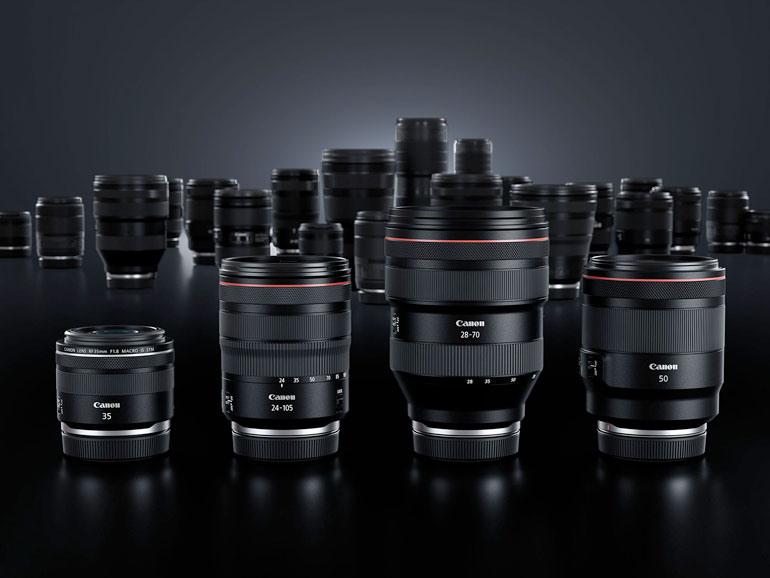
The verified complaint is worth knowing: one buyer received a defective unit that threw errors on both an R and an R6. That is a lemon story, not a pattern, but it argues for testing the lens the day it arrives. The spec case is simple - constant f/2.8, five stops of stabilization, and the quiet Nano USM motor that keeps autofocus out of your audio.
Canon RF 70-200mm f/2.8 L IS: When You Need Reach
This RF 70-200mm f/2.8 lens is the clear pick when you need reach, though it costs much more than most other gear you might consider right now.
One reviewer has said it was the only lens they needed for a whitewater rafting trip - spray, motion, and distance all handled - because the RF version stays compact enough to live on the camera all day. It does not extend when you zoom, which keeps the rig balanced while you move. The price is the trade - this is one of the pricier lenses in the lineup.
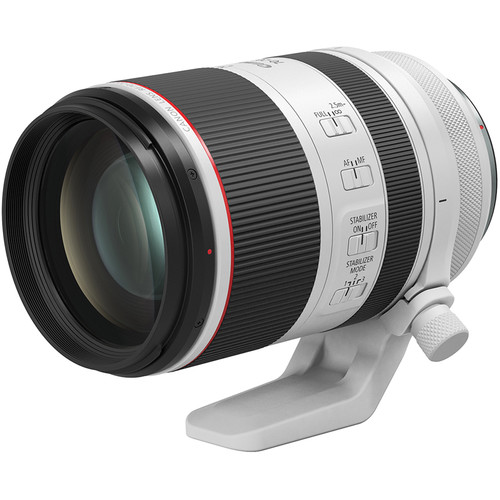
You'll find that this glass works great as a primary lens for travel since it's small and light compared to the older EF versions that used to exist. The internal zoom design means the weight never shifts when you change focal length, which matters on gimbals where rebalancing eats setup time.
Stabilizer modes for panning and erratic movement are on the barrel, so you can adapt mid-shoot. You would pick it for tight shots without the bulk of an older heavy telephoto. The 4.6 owner rating backs that up, with users reporting the lens surviving trips that would kill lesser glass.
Budget Alternatives - and an Honest Canon Gap
Canon's current list of affordable RF lenses for an R7 or R10 is thin for video shooters.
The RF-S 18-45 kit lens gets you started, but it lacks the fast aperture you want for low light work. The RF 50 f/1.8 is a genuinely useful prime for the money - small, sharp, and fast enough for dim rooms. A prime forces you to zoom with your feet, which works for interviews but not for run-and-gun event coverage.
Those two options leave a gap between the kit lens and L-series glass that Canon has not filled yet. That gap is where most video shooters actually live.
Many people suggest the Sigma 18-50mm f/2.8 as the perfect budget pick, but that lens only exists for Sony E-mount and will not fit a Canon body directly. It's a common trap.
Since no Canon version of that Sigma glass exists, you have to look elsewhere to save money. The official Canon adapter costs around a hundred dollars and preserves autofocus on most EF glass, which turns fifteen years of used L-series lenses into a working video kit. The bulk is real, but the savings dwarf it.
The best value for your money is used EF lenses with an adapter to make them work on your mirrorless body. You can find fast zooms and sharp primes on the used market that cost much less than the new RF versions.
While the adapter adds a bit of bulk, the image quality you get is worth the trade-off for most. This path bridges the gap for shooters who need pro results while the RF catalog matures - and the adapter stays useful even after you add native RF glass, because EF primes remain excellent.
Frequently Asked Questions
Is the RF 24-70 f/2.8 worth the money for video?
It is a reliable choice for professional video projects. Renting first costs a fraction of the purchase and tells you whether the focal range fits how you actually shoot. The constant f/2.8 aperture and 24-70 range cover interviews, B-roll, and run-and-gun work on the same body.
What are the best budget options for Canon shooters?
You can use the RF 50 f/1.8 prime or adapt older EF glass to save money while still getting great image quality. Third-party zoom options for this mount are currently limited, so using adapters is often your best path for savings.
Do I really need image stabilization for handheld video?
The RF 24-70 provides five stops of stabilization which works alongside the body-based systems in cameras like the R5 or R6. Together they deliver smooth handheld footage without a tripod for most walking shots, though fast action still calls for a gimbal.
What filter size do these professional RF lenses require?
Both f/2.8 zooms use an 82mm filter thread, which means you can buy one high-quality variable ND for both lenses. One good variable ND covers both lenses and manages changing light across every environment you shoot in.
Are there good third-party zoom lenses for the RF mount?
Canon has opened the RF mount to third-party makers, but the zoom selection remains thin so far.
Sigma and Tamron build excellent Sony-E zooms - like the verified 18-50 - and RF versions may follow, but today the used-EF path is the working answer for budget Canon video. Used EF L glass with the official adapter is the value play for Canon video right now - the optical quality holds up, and the price gap funds batteries, cards, and lights.