
Best Camera Rain Cover: Think Tank, Hydrophobia, and the Cheap Sleeve
Rain doesn't wait for the shoot to be over. A shower rolls in, the light gets interesting, and the choice is between packing up or finding a way to keep shooting with a camera you can't afford to drown.
Rain covers range from a cheap plastic sleeve you keep in a pocket to fitted covers built for long lenses and all-day storms. The difference shows up in how fast they go on, whether you can still see through the viewfinder, and how they cope with wind.
Below are a pro cover for the bag, a dedicated storm cover, the cheap emergency option, and how to match the cover to the weather you expect.
The Think Tank Emergency Rain Cover is the keep-in-the-bag answer, the Hydrophobia D 70-200 V3 is the dedicated-storm answer, and the Op-Tech Rainsleeve is the five-dollar insurance. One owner in Alaska has said they kept shooting while everyone else was packing up, and that's the whole case for carrying one. Match the cover to the weather, not to the catalog.
The Pro Tier: Think Tank Emergency Rain Cover
This cover faced a trial by water this week during driving rain with winds of fifteen to twenty mph and gusts over thirty mph while temperatures stayed in the mid thirties.
One owner in the Scottish Highlands has described a storm that blew their tripod over before they could weigh it down, while the cover kept working. Another has said it kept all salt water out of their camera on a sea kayaking trip while still giving easy access.
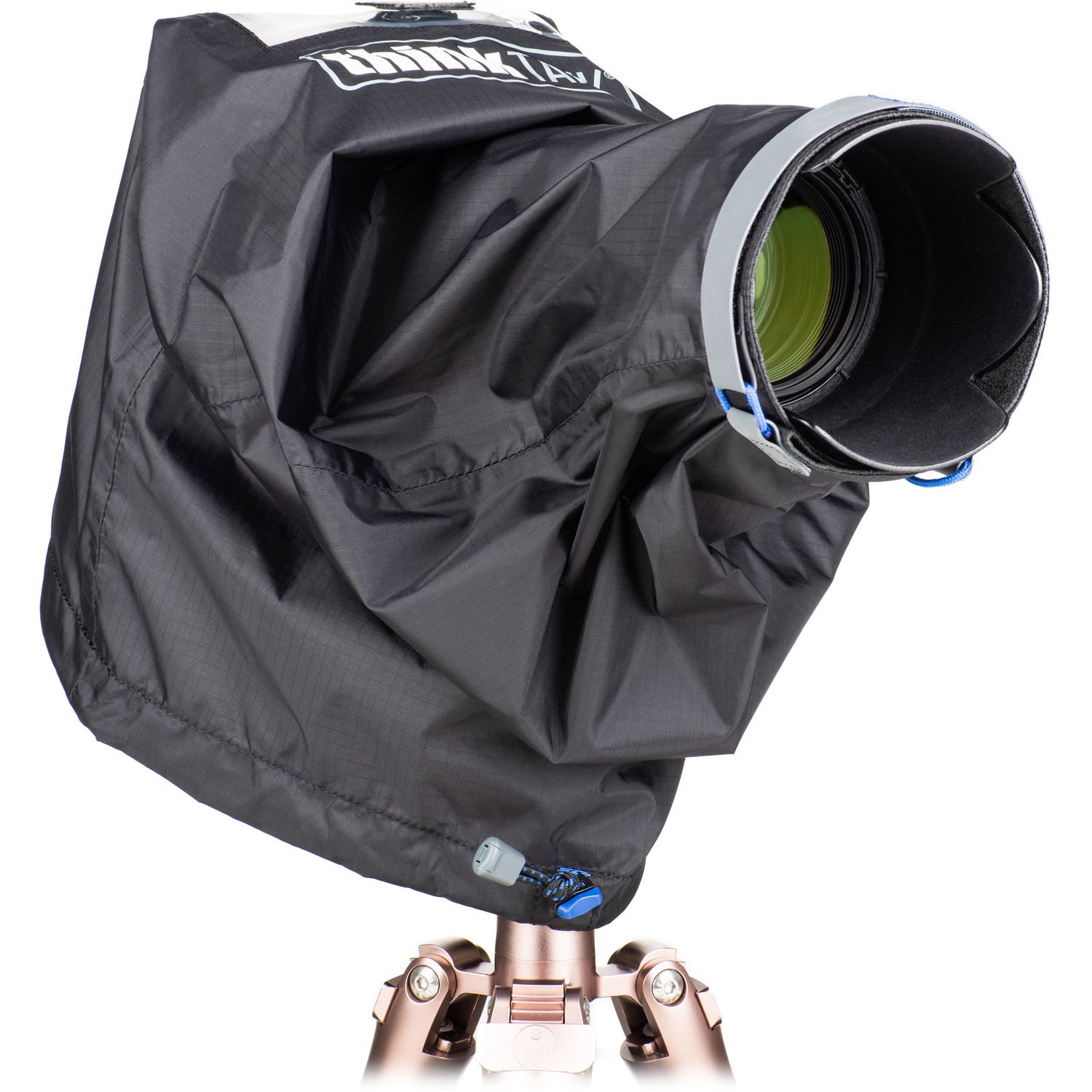
The cover fits great on a Canon R5 paired with the RF 100-500 lens because there are no issues when you extend or retract the glass during a shoot. It's also big: one owner who shoots a Sigma 600mm Contemporary with a 1.4 extender has found about 12 inches of cover left over, even fully zoomed out with the sun shield on.
The R5 owner has noted that the window can trigger the viewfinder's proximity sensor, though you can work around it. Another owner has two of them, has found them very useful for football and soccer with long lenses, and has called it clearly built for pros.
Most pros choose this option because they want to keep shooting while everyone else is packing up their gear due to a sudden and very heavy downpour.
You can see the details in the emergency-rain-cover image which shows how it sits on the rig. The sea kayaking owner has called it a little expensive for what it is but an absolutely excellent piece of kit, and another owner has called it practical and indispensable, if pricey.
The Dedicated Tier: Hydrophobia D 70-200 V3
One owner has said that with thousands invested in bodies and glass, Think Tank is the best way to protect them while shooting in the rain.
This dedicated cover includes a spot for an eyepiece attachment, which helps you see clearly when the plastic gets wet. It's a little fiddly to put on and take off, but that's necessary if you want to keep gear dry. You'll find it fits fine on an R3 with a 15-35mm lens.
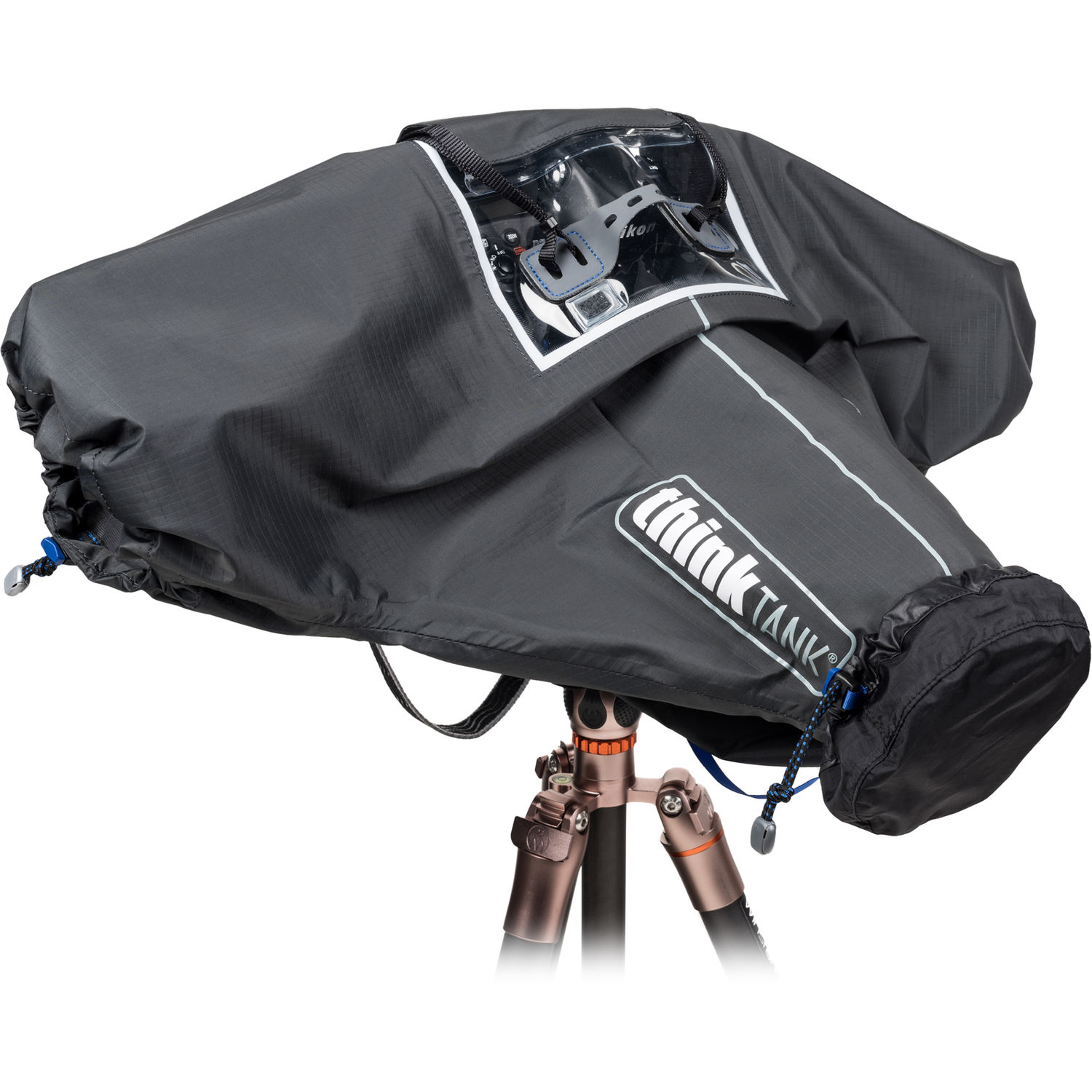
One four-star review noted that the clear plastic window gets in the way, because it crumples into weird hard shapes that press into your face after a long time of use.
The same reviewer has found their camera safe from the heaviest downpours for as long as they care to stay out in the rain. A German owner has used this rain cover since 2012 and knows nothing better, the strongest loyalty in the set.
The Emergency Tier: Op-Tech Rainsleeve
A buyer has called the cheap two-pack a steal, and the thin packaging slides easily into a camera bag
You might wonder if this is just a fancy plastic bag, but it does the job well enough. One buyer has found it could handle a thousand frames in the rain, without any problems for the camera. It works as a basic bit of insurance, for those who want to protect their expensive glass.
While these sleeves are light, some users find them a bit cumbersome because putting them on isn't as quick as they would like when they're in a rush. 'A bit cumbersome and install is not as quick as I would like (you have to remove' the hood first - the owner's installation gripe. The Japanese owner runs it as 保険 - insurance - 'used as a policy, replaced after a few uses because it's just vinyl.'
Matching the Cover to the Weather
When you head out for just a light drizzle, a simple plastic sleeve might suffice, but driving rain with high winds demands something much tougher to keep your gear dry.
The sleeve handles a sprinkle. Driving rain is the Hydrophobia's job. The documentary audio setup covers the sound side, because most covers muffle the mic while they save the body.
For a quick trip, the emergency sleeve takes up almost no space, while the pro covers need more room. The Hydrophobia is built for heavy downpours, but it's harder to put on quickly.
The Think Tank emergency cover is the long-day answer, since it stays on when the wind blows hard. Pick the wrong tool and the wrong weather meets an uncovered camera. One buyer carried theirs for a year before finally using it on a trip to Iguazu Falls, which is what waiting for the weather looks like.
Frequently Asked Questions
Is a Sleeve Better Than a Cover?
A simple sleeve like the Op-Tech option provides basic protection while a dedicated cover offers more structure for long days of shooting. The sleeve works as a quick backup for unexpected storms on the move - the lightweight bag option.
Can I Use These on a Tripod?
Using a cover on a tripod helps keep your gear stable during high winds that might otherwise knock equipment over.
Stability is key when working in gusty coastal environments - 'blow my tripod over before I got it weighted down' is what happens without it. The sleeve is the lightweight bag option. The Hydrophobia is the tripod-day option.
Does It Have an Eyepiece Port?
The dedicated Hydrophobia includes a port for an eyepiece attachment, which the R3 owner has pointed out you have to buy separately, so you can see clearly during a downpour. Visibility is the point when the rain gets heavy.
How Long Do These Covers Last?
While some cheap sleeves might need replacing after several uses, high-quality covers are specifically built to last through many professional seasons. The German owner who has used one since 2012 is the long-life answer. A cheap sleeve that needs replacing after a few uses is the other end of the trade.
Will It Protect Against Salt Water?
A high-quality cover keeps salt water away from the camera while you're kayaking or near the ocean, and one owner has found it kept all salt water out of their camera on a sea kayaking trip. Salt spray corrodes electronics faster than fresh rain ever will.
The salt-water question is where the tiers split. The Emergency Cover has kept salt water out on a sea kayaking trip, while one Rainsleeve owner has used theirs as insurance that's cheap enough to replace after a few soakings.
The everyday-tier comparison applies: own the backup before the failure. PetaPixel's weather-sealing coverage reads the same protection math from the photo side, and No Film School's location-audio guides cover the sound side. Check B&H's rain cover stock before the season starts.