
Best Active Video Camera: Five Picks for Filming on the Move
An active video camera is the one that comes along when you're moving: on a hike, on a bike, through a market on a trip, or strapped to a helmet. That covers very different cameras, from a pocket compact to a mirrorless body with lenses to a true action cam.
Each one gives something up to get its strength. The smallest cameras are easy to carry but give up lens choice, bigger bodies look better but weigh more, and the toughest ones are built for water and drops more than for picture quality.
The five picks below are matched to how you move: the camera you'll actually carry, one for lens swaps, a hybrid with character, a true action cam, and a stabilized handheld.
You'll likely grab the Sony ZV-1 II for daily use while the ZV-E10 II offers interchangeable lenses, and the Fujifilm X-T50 provides hybrid character despite a heavy weight trade-off. The GoPro Hero 13 remains the primary choice for true action needs, whereas the DJI Osmo Pocket 3 wins for stabilized handheld video. The right pick depends on whether you value pocketability, interchangeable glass, or waterproof durability.
Sony ZV-1 II Is the Camera You'll Actually Carry
You'll pick this small tool because it fits in a pocket while the lens stays wide enough for shots and the daylight looks great when the sun is out.
The selfie focal length works well for vloggers so you don't have to struggle to find your face. Slow motion looks smooth on this sensor, which helps you make nice clips without a lot of extra work. It's light enough that you won't leave it at home during a long trip.
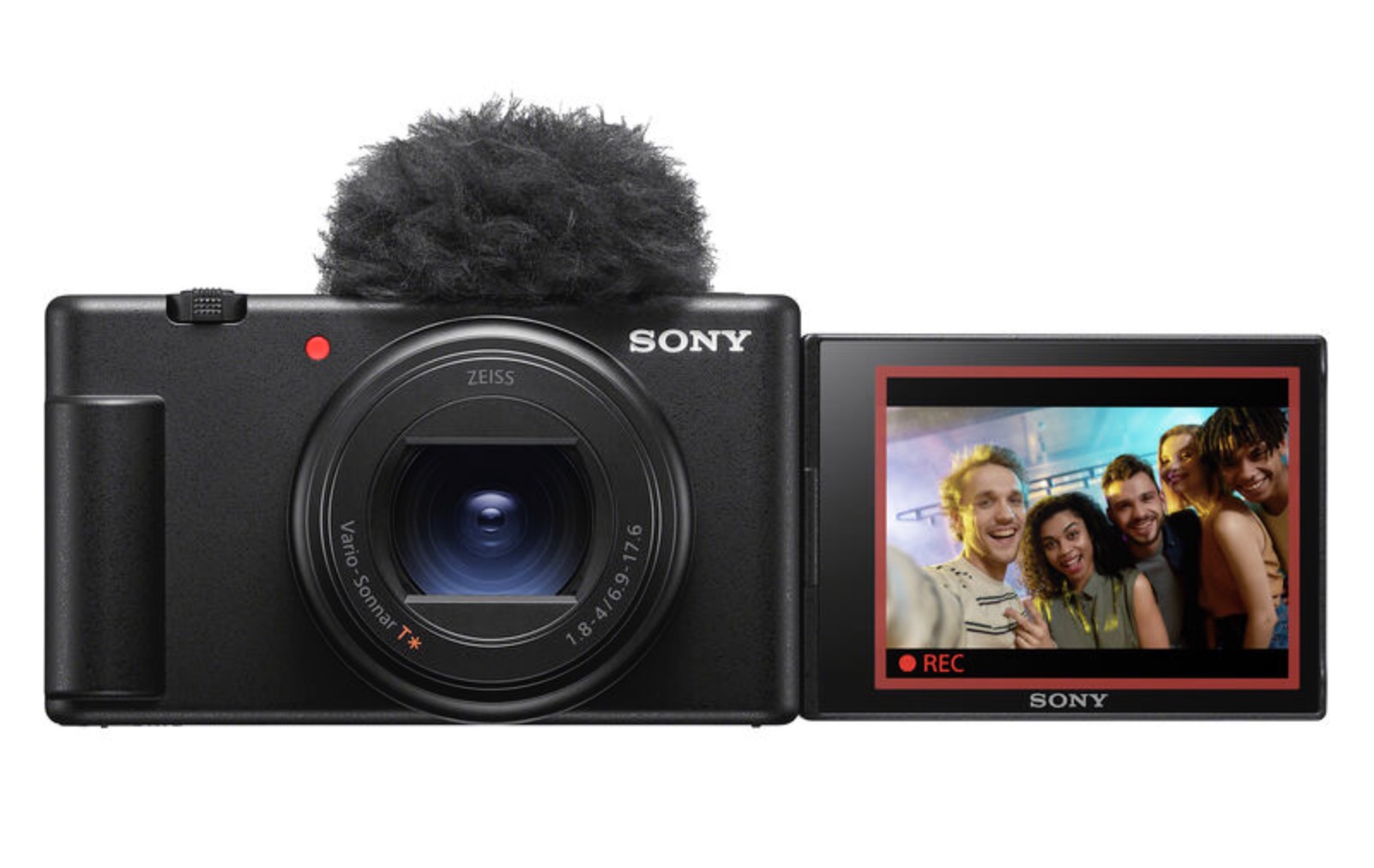
One big flaw is that the lens extends when it sits in a bag, which drains the battery until owners have to pull the pack out to stop the drain. The quirk is manageable with care, but check the battery often so it isn't dead when you need it.
When light goes down the image falls apart, so you shouldn't use this if you plan to film at night.
Some boxes are missing the card or cable, which means you'll need to buy those parts. The size makes it the camera you'll actually carry every day, even with these flaws. The small frame is worth the trade for anyone who actually shoots daily, because a camera at home captures nothing.
Sony ZV-E10 II for Interchangeable Lenses
Many people find that they keep coming back to this camera because it delivers everything they need for making content without breaking the bank, which explains why it holds such a high rating. It's a great step up for those who want to swap lenses while keeping the body small and light.
One owner says they trust the tool because it works well for their daily shoots, which adds value. If you want a versatile tool that fits a budget, this option is hard to beat.
You should be careful because some users report a wobbly USB-C port from day one, and grey-import units often crash or ship with bad sensors.
Buying from the main listing avoids those bad sensors. If the hardware fails during a shoot, you'll lose footage that you worked very hard to capture. Where you buy matters as much as what you buy here.
Fujifilm X-T50 for Hybrid Shooters Who Want Character
Many owners love this camera because it produces outstanding images with beautiful colors straight out of the sensor - Fujifilm's camera pages cover the X-T50 line - and the autofocus stays locked on what you capture.
You get pro level specs in a body sized for everyday carry, which makes travel much easier. The 40MP sensor gives plenty of info, so it helps when you crop your shots later. A dedicated film sim dial changes the look fast - our LUT guide covers the post-side equivalent - without digging through menus.
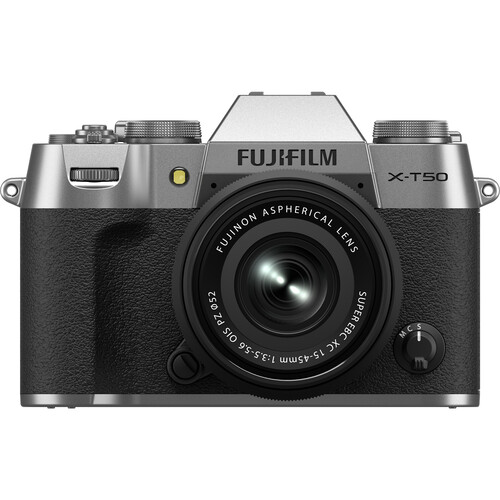
The body includes seven stops of in-body stabilization to keep walking shots steady, which is a big win for those who film video without using a heavy gimbal. It feels better than many smaller models because the grip is deep and fits your hand well. One reviewer finds the SD card slot awkward to reach, which makes swaps slower than they should be.
One owner sold their gear because adding zoom lenses made it simply too heavy to carry comfortably, so you should consider how heavy it is if you plan to use large glass.
You're betting that you can handle the size if you want the specific look this camera offers. It is a great pick for those who want looks, provided you don't mind the extra bulk. For hybrid shooters who value character as much as specs, it is the pick.
GoPro Hero 13 Black When You Actually Need an Action Cam
For rough trails or deep water, this small camera is the only choice here, because it offers mounts and rugged waterproofing that no mirrorless camera can match. You can clip it to a helmet or a chest, which lets you capture wild angles while you move through the world. Most other cameras can't handle the drops, so a fall costs far less panic.
While the video looks very smooth on bumpy motorcycle trails, you should watch out because the tool often shuts down when the room gets even a bit warm during your shoot.
The batteries only last between thirty and seventy-five minutes, which means you'll need extra spares for a long day. It might be a pain to swap them often, but the way it keeps the shot steady is worth the extra wait. You have to plan for the heat, since you don't want the camera to quit right when the action gets good.
DJI Osmo Pocket 3 for Stabilized Handheld Video
The DJI Osmo Pocket 3 stands out because the mechanical gimbal keeps shots steady while you walk - DJI's Pocket 3 page lists the sensor and screen specs - which makes it a favorite for smooth handheld footage.
You'll find a huge pool of reviews for this tool, since many folks have shared how it works in daily life. Its small size lets it hide in a pocket, so you can grab it whenever a moment hits.
Even though the rating is high, two owners have reported that the audio cut out during a recording, which is a major problem if you are working on a paid job today.
Always test your sound first. One person lost a whole clip during a shoot, so you should check the mic levels before you start any big project. If the sound fails while you're filming, the video becomes ruined regardless of how good the image looks on the screen.
Frequently Asked Questions
Is an action camera enough for all my needs?
The Hero 13 is the only waterproof option here, and it works well for mounted POV but fails for talking head videos. Other cameras will need specialized external housings if you plan to go underwater frequently during your trips.
Do I really need internal image body stabilization?
The Fujifilm X-T50 offers seven stops of internal stabilization, yet the mechanical gimbal on the Osmo Pocket 3 actually beats it for handheld movement. The choice comes down to digital correction versus physical gimbal smoothness.
How should I handle battery life while traveling?
Every camera here has short runtimes, so pack spare batteries and a USB-C PD bank to stay charged. Keeping an extra battery in your bag prevents losing footage during a long day of filming.
Comparison between GoPro Hero 13 and DJI Osmo Pocket 3?
Pick the Hero 13 for its vast mounting ecosystem, while the DJI version handles heat and battery life better during intense recording sessions. The Pocket 3 remains a completely different tool for quick stabilized vlogs on the go.
Are any of these cameras waterproof?
Only the Hero 13. It survives drops and swims without a housing, while every other body here needs an external case before it goes near water.
Which camera is best for a main YouTube channel?
The ZV-E10 II or X-T50 are great for main channels, whereas the ZV-1 II is only for quick travel vlogs. These more advanced options provide the flexibility needed for long-term content growth and professional quality.