
Best Action Video Camera: Hero 13 vs the Real Challengers
Action cameras all look alike on paper now. They shoot high resolution at high frame rates, they're waterproof, and every box promises stabilization good enough to leave the gimbal at home.
The differences show up on the shoot instead: how long the battery lasts, how the camera copes with heat and low light, and whether you need a rugged box at all or something steadier in the hand. GoPro still sets the bar most people measure against, but it's no longer the obvious answer.
Below is what matters beyond the spec sheet, then the GoPro, DJI's real alternative, the two Insta360 options, and a wildcard for run-and-gun shooting.
While the GoPro Hero 13 Black holds a 4.5 rating and stays the benchmark for lens mods, you'll face heat and battery issues since the DJI Osmo Action 4 excels in low light.
Insta360 covers specific needs like reframing or 360 video, whereas the Osmo Pocket 3 works when gimbal stabilization matters more than ruggedness. Pick the DJI when endurance matters, because its battery outlasts the GoPro on long outdoor shoots.
What Actually Matters Beyond the Spec Sheet
While 5.3K resolution sounds great on paper, you should care more about whether the camera stays cool during a summer shoot or if the battery dies before you finish your long hike.
The GoPro often shuts down even in warm rooms, which makes it hard to trust for long days out. The DJI camera lasts longer, but you still need to plan for a quick swap when things get intense. You'll find some friction when you try to move clips to your phone after a rough ride.
Low light work is where these sensors really pull apart, so a larger sensor often matters more than the pixel count when you are filming just after the sun goes down. The Action 4 handles dark spots better than the GoPro, yet it struggles once you move deep inside a house. Registering the DJI app is an annoying hurdle, so finish it before you leave the house.
How you mount the camera decides if you actually use it, because a clunky system turns a quick setup into an annoying fight with small screws and gear.
The Pocket 3 uses a gimbal for steady shots, but you can't take it underwater like the rugged others. Insta360 tools let you reframe your shots later, which saves the take when you miss the perfect angle while filming. Pick the tool that fits your life rather than just the one with the highest numbers on the box.
GoPro Hero 13 Black: Still the Benchmark
The Hero 13 Black remains the top choice because it offers 5.3K60 video and 27MP photos, which makes it a great starting point for beginners who want clear results without a complex setup.
You can use various HB-series lens mods to change your shots, which lets you film in new ways that other cameras just cannot match. Many buyers love how the footage looks, and the brand has built a loyal community that helps people find lost gear. The waterproof shell handles deep water without a housing.
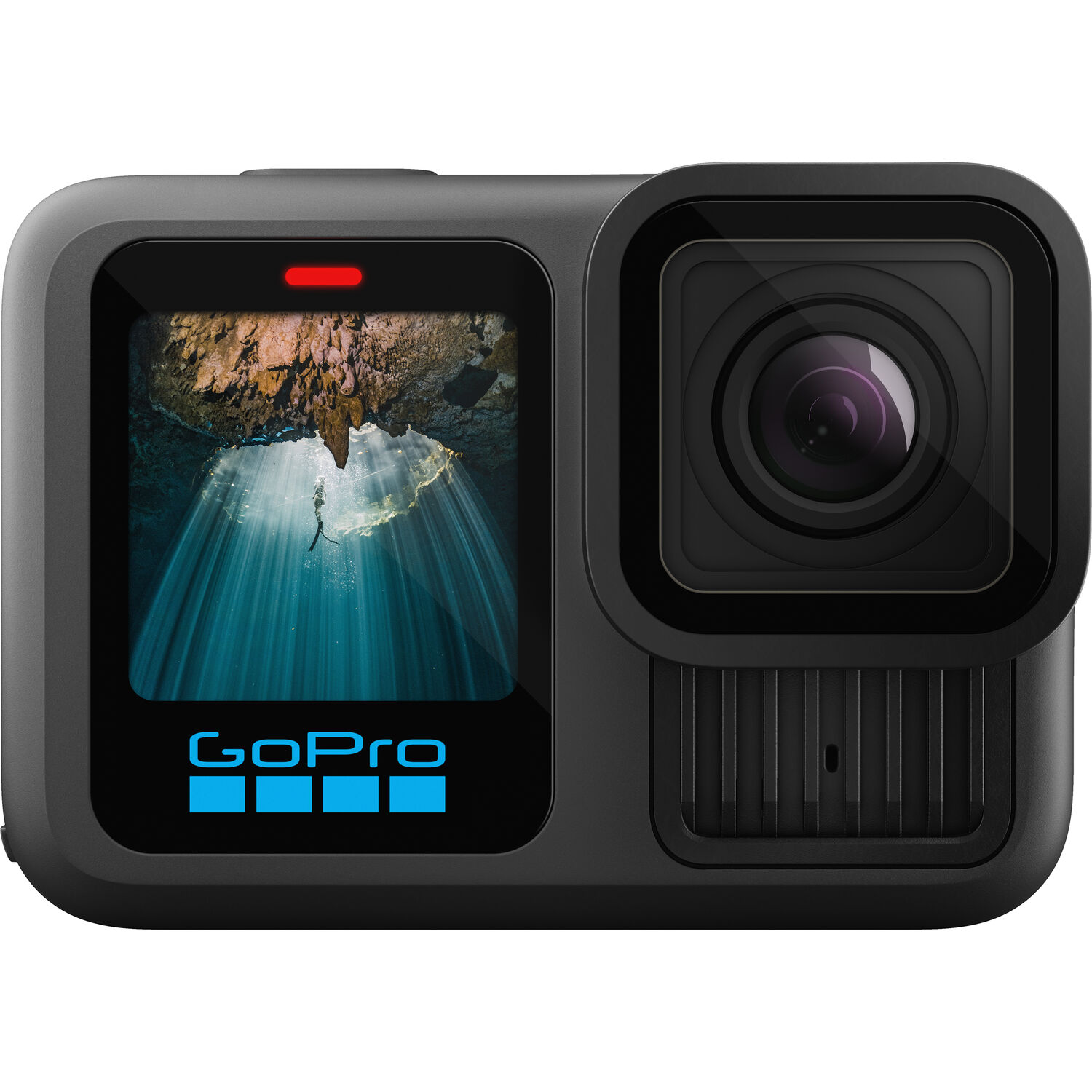
While the hardware is strong, many users report that the camera shuts down from heat when the room stays between 68 and 75 degrees, which can ruin a long shoot.
The batteries last between 30 and 75 minutes depending on your settings, so you'll need to carry extra spares, and B&H stocks GoPro batteries and mounts. One buyer has found a dead battery after just five uses. Video quality also drops fast when the light fades, which means it isn't the best tool for night use.
The Android app often feels clunky and has bugs, which makes moving files harder than it should be when you want to get them to your phone very quickly.
You should test how hot the cam gets during the return window, because these overheating problems are very common among current owners. It stays the benchmark for ecosystem and lens mods, and if the best lens options matter most, this is still the one to grab.
DJI Osmo Action 4: The Real Alternative
The DJI Osmo Action 4 holds a 4.7-star rating from over 2,300 buyers because it keeps shots steady on rough enduro motorcycle trails while offering great colors after its recent price drop. This large 1/1.3in sensor helps you capture better footage in low light when the sun starts to set.
You can film at 4K with 120 frames per second, which makes your slow motion clips look very smooth. Buyers who need longer battery life consistently land here.
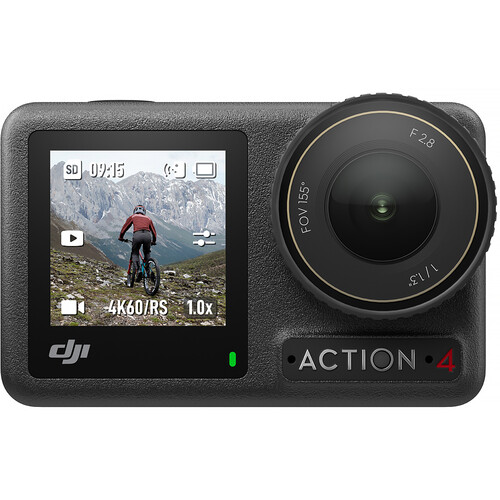
While the GoPro stays the benchmark, this DJI tool provides better battery life and handles dark scenes well for anyone who shoots outdoors during the dimmest parts of the day. It is wise to register the app at home so you don't deal with locks while out.
The indoor light struggles, if you are more than five feet away from a bright lamp. Still, it works better than the main rival when the light gets really bad.
You have to download a gigabyte app just to start, and one reviewer has noted a lock that limits you to five uses while another buyer has reported a leak in shallow water. Moving files to your phone feels clunkier than it should. You should weigh these small flaws against the strength of the sensor before you spend your money.
Insta360 Ace Pro 2 and X4: The Different Tools
Insta360's Ace Pro 2 features a flip screen and Leica-branded glass while using a built-in AI chip to help denoise your footage when you film in low-light spots.
You pick this tool if you need a screen that turns toward you, which helps when making vlogs. It doesn't out-spec the leaders, but it offers a different shape for your specific shots. Since there are fewer verified owner reports, we keep our claims about it general.
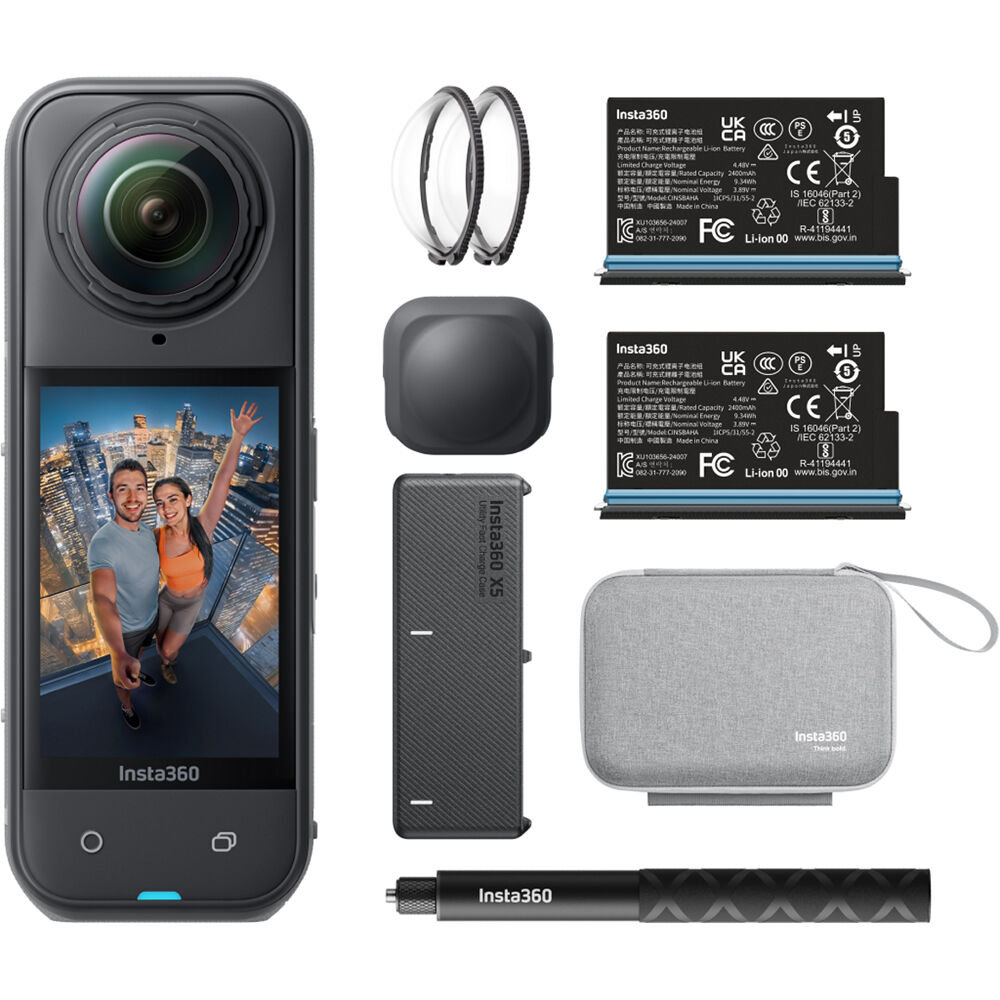
The X4 allows you to capture 360 degrees so that you can reframe the shot after it is done, which is useful when you do not know where the action happens. This camera is for people who want to be flexible, rather than just wanting raw power. It is a niche tool with a real learning curve.
Choosing between these models depends on whether you need a specific form factor for work instead of looking for the best specs from the GoPro or DJI units. If you want a standard camera, you might find these tools too complex for your needs. You're betting that the unique features will outweigh the lack of deep proven history here.
Stick with these when your project demands an angle that a rugged box cannot provide.
Osmo Pocket 3: The Run-and-Gun Wildcard
For smooth shots without fixing your footage in the edit, the Osmo Pocket 3 uses a large one-inch sensor and a mechanical three-axis gimbal to keep your frame looking perfectly steady. It captures 4K video at 120 frames, which helps you create high-quality content while you move.
The Creator Combo includes a mic that makes your voice sound clear even in the wind. This tool is for vloggers who need speed over rugged build quality.
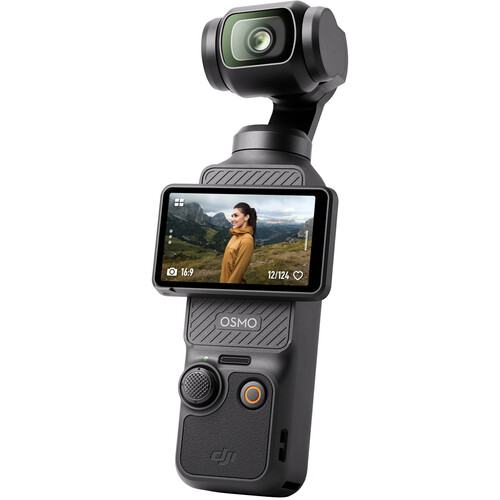
While this camera makes making videos feel easy for beginners, you should remember that it lacks the waterproof shell and tough mount points that you find on other action cameras.
You can't take this into water or bolt it to a bike without gear. It's a vlogging tool that happens to shoot action rather than a camera meant for sports. Skip this if you need a device that can survive a drop or rain.
Some buyers note that the DJI app requires a big download before you can start, which might be a pain if you are trying to capture a moment quickly.
Two owners have reported that the audio failed mid-shoot, which is a major flaw for gear. It isn't perfect. With a 4.5 star rating, most people still find it useful for daily life.
Frequently Asked Questions
What is the best action camera overall?
The Hero 13 Black earns the top spot for its vast lens ecosystem, while the Osmo Action 4 wins if you need better battery and low light. You should choose based on whether you value accessory variety or performance in very dark environments.
Which action camera is best for filmmaking?
Filmmakers often prefer the Hero 13 or Action 4 for log profiles, but the Pocket 3 offers unique looks through its mechanical gimbal stabilization. These tools help you capture professional footage without needing complex external rigs for your gear.
Does the GoPro Hero 13 actually overheat?
Reports show verified shutdowns occurring even at room temperature, so you should test the camera in your specific climate during the return window. Heat issues can ruin a shoot day during long outdoor sessions in summer.
How does the Osmo Action 4 compare to the Hero 13?
DJI wins on battery life, low light performance, and lower cost, but GoPro still leads in community support and specialized lens mods. Check the Action 4 rating to see why users value its high sensor quality.
Is a 360 action camera worth the money?
A 360 camera is only worth it if your editing style relies on reframing footage after you have finished filming the scene. This workflow allows you to capture every possible angle in a single immersive shot.