
Best Camera Video Blog: The Sony ZV-1 Line
A pocket vlog camera has to win against the phone already in your pocket, which is a harder fight than it sounds. It needs to look better, sound better and come out fast enough that you actually use it, without turning a walk through town into a production.
Sony's ZV-1 cameras were built for exactly that job, and owners love them for it, with one travel habit they all seem to learn the hard way. Here's what defined the line, the flaw to plan around, and how it fits a video blog.
The Sony ZV-1 line owns the entire video-blog pocket tier because the original model defined the category while the ZV-1 II refines the experience with a focal length that takes great selfies for creators.
Every owner repeats a complaint about the bag lens extension since there's no lock and you must take the battery out while traveling. It is fantastic in the daytime, and the sensor shows its size after dark.
An A6700 owner moving down calls it 'perfect for anybody casually taking pictures or videos,' and that is the honest trade - the A6700 owner chose to keep the smaller body anyway, which says more than the spec difference.
The Sony ZV-1 changed the game for solo vloggers, because it packed a 24-70mm Zeiss lens and a flip screen into a body that fits in your pocket.
You'll find that the three-capsule mic makes your voice clear, so you don't need to buy extra gear right away. Its product showcase autofocus keeps the focus sharp when you move an object in front of the lens - the Cambridge in Colour camera guides cover the exposure basics the same tier assumes. This camera is a great point and shoot with a focal length that takes great selfies.
The ZV-1 II widens to 18-50mm. The original keeps more zoom reach for tight shots and stays the pick when reach matters. Owners have called it fantastic in the daytime, and low light is where the small sensor shows its size.
The design feels natural in your hand, which helps you start filming before the perfect moment disappears.
Many people choose this gear because it solves the hard problem: high-quality video without a heavy bag of professional equipment. It's simple to use, so the story comes first and the menus come last.
Quality holds while moving through a busy city, which is where most of these cameras actually live.
The full-frame step is the upgrade path when the story outgrows the pocket, which it eventually does for everyone who keeps publishing. Until then, the pocket wins on the days that matter - the shots you almost missed, which are the only ones the audience ever sees. This little camera set the standard for what a pocket vlog camera should look and do.
Sony ZV-1: The Camera That Defined the Tier
The original ZV-1 packed a 24-70mm Zeiss lens, a flip screen, and a three-capsule mic into a body that fits in a pocket - the spec sheet that defined the category. Everything a video blog needs on camera day one: face-priority autofocus, product showcase for gear shots, and a screen that flips for solo framing.
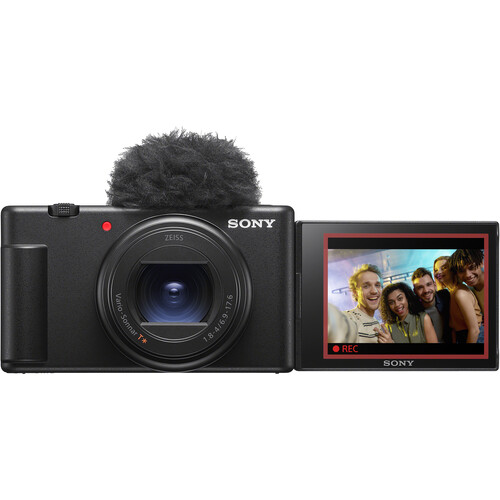
Before this body, pocket video meant compromises that showed in every upload. After it, the tier had a template. 'A great point and shoot with a focal length that takes great selfies... just wide enough,' per one owner.
Product-showcase autofocus keeps focus on the object you move into frame, which is half the reason the tier exists.
The ZV-1 II widens to 18-50mm and keeps the pocket: 'just wide enough to capture selfies at arms length,' the same reviewer notes. TechRadar's ZV-1 II review documents the wider lens and the same travel caveats.
The Travel Flaw: Lens Extension and Battery Drain
You might find that the lens extends or retracts on its own while the camera sits tucked inside your bag, which creates a real headache for anyone who travels often.
The motor keeps moving even when the power is off, so it wears down without help. Since there is no lock to keep the glass in place, you must pull the battery out during trips. This quirk happens many times, yet it feels like a big oversight for this gear.
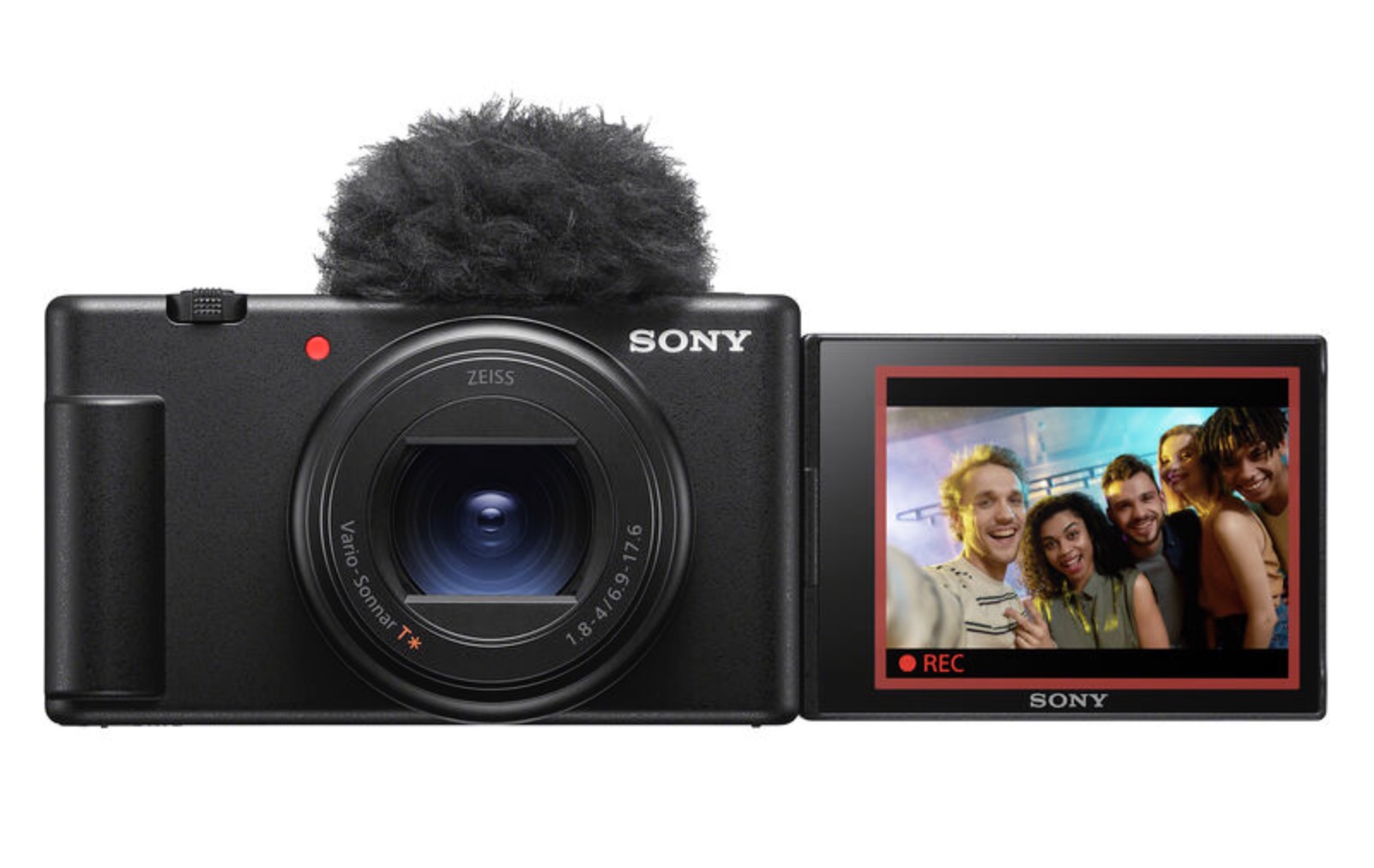
One user has noted that the battery keeps draining quickly, which means you might end up with a dead camera right when you need to catch a shot. That owner has called it a major flaw in a camera at this price. Extra batteries in the bag become mandatory, and taking the battery out for travel becomes a habit by the second trip.
Skip the battery pull and the lens eats its charge before anything happens - the routine is a chore, but it is the only fix the design allows. The travel-gear lesson repeats across every pocket camera in the class, and the owners' phrasing barely changes - three reviews, same sentence, same shrug. These issues make the camera feel less ready on the days it matters.
How It Fits a Video-Blog Workflow
One owner says this small tool is 'perfect for anybody casually taking pictures or videos,' with the A6700 comparison as the honest frame: 'getting used to the slight quality difference... perfect for anybody casually taking pictures or videos.'
Decide if the pocket tier is enough, and the decision is made once. It fits in a pocket, so you can grab it fast when you want to capture a quick moment on the street. You'll find it easy to use, even though it lacks the deep controls of a larger body with interchangeable lenses.
You don't need a heavy rig if you just want to share your life with your friends online today.
While the camera is fantastic in the daytime, it might struggle when the light gets low because the small sensor can't catch as much detail as bigger models do. The lens extends without a lock, so the battery comes out for travel. And with no charger in the box, the charging brick is its own purchase - the external SSD guide covers the storage half of the same accessory math.
Frequently Asked Questions
Is the ZV-1 II better than the original for blogging?
The original ZV-1 carries a 24-70mm-equivalent Zeiss zoom. The ZV-1 II widens to 18-50mm.
The newer model wins for tight rooms and arm's-length framing. The original wins when reach matters. Both share the pocket-body DNA that made the tier.
Why does the lens stay out during travel?
The mechanism lacks a lock, so the lens stays out unless the battery comes out - 'you have to take the battery out while traveling,' three separate owners repeat. The frustration shows up on every multi-location day.
How is the audio quality on the ZV-1?
This camera includes a specialized three-capsule microphone designed to capture clear voices without needing external gear for most basic vlog setups. It works well in quiet environments where background noise remains relatively low during your recordings.
Does the camera come with a charger?
No dedicated charger ships in the box - USB charging only. That saves Sony money and costs you a wall brick, which becomes another line on the accessory list next to the B&H checkout.
Should I just use my phone instead?
While a modern phone is fine for casual clips, this camera provides better autofocus speed and dedicated video controls that mobile devices often lack. Pick the camera if you want professional-looking results for your daily content regardless of the difficulty.