
Action Camera vs Mirrorless Camera: ZV-E10 II and Osmo Action 5 Pro
Plenty of people asking this already own a phone that shoots decent video, so the real choice is about the footage a phone can't get. An action camera and a mirrorless camera solve that in opposite ways: one is small and tough enough to come everywhere, the other trades size for a bigger sensor and lenses you can swap.
That's why the spec sheets don't settle it. The better camera is the one that fits the days you actually shoot, whether that's a boat trip, a car detailing job or a dim party after dark, and each one has a kind of day where it simply falls short.
Below is the case for each camera, a simple way to decide between them, and where each one fails.
You should choose the Sony ZV-E10 II when the specific shot is the goal, but the DJI Osmo Action 5 Pro is better when the day is the focus because it's small enough for your pocket.
The mirrorless owner says that if they buy a camera again, it isn't by accident since it truly works for their creative needs. Meanwhile an owner who uses the action cam for a car detailing side hustle has said it punches way above its weight, and it survives the boat trips a mirrorless camera should never take.
The Mirrorless Case: Sony ZV-E10 II
One owner has said they moved from an A7M4 that felt too big for everyday carry to the ZV-E10 II, which they've called really compact. They weighed it against the FX30 and decided it was more than enough for what they need.
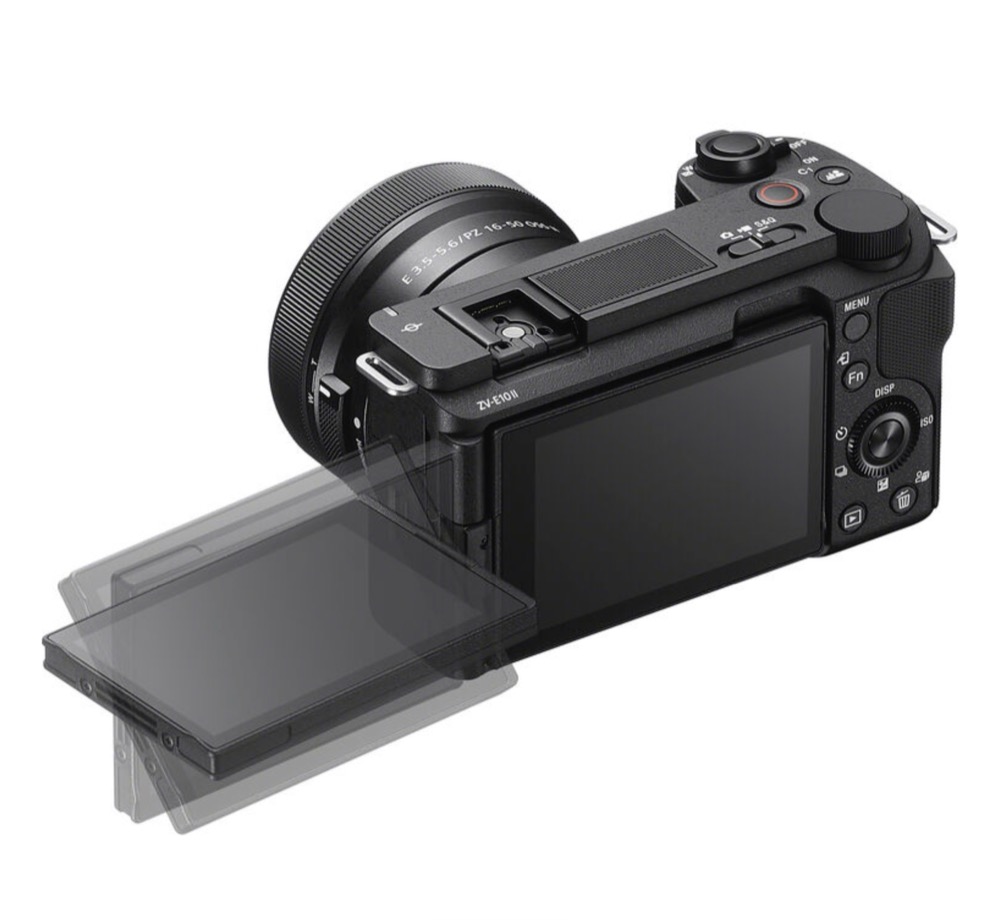
One ZV-E10 II owner has said the 4K footage looks amazing and that, despite the overheating worries they'd heard about, they haven't had any issues. Owners have also praised the LUT monitoring, the autofocus, and how small and powerful the body is.
One owner has warned that their units were grey imports from China's domestic market, with one camera crashing every few seconds and a problem with the second one's sensor. Still, another owner has said that buying it again wouldn't be an accident, because it truly works for them. The image shows how compact the body is.
The Action Case: DJI Osmo Action 5 Pro
A buyer who bought it over a year ago has said they're very happy with it, and they use it on their boat all the time, with great battery life and clean video
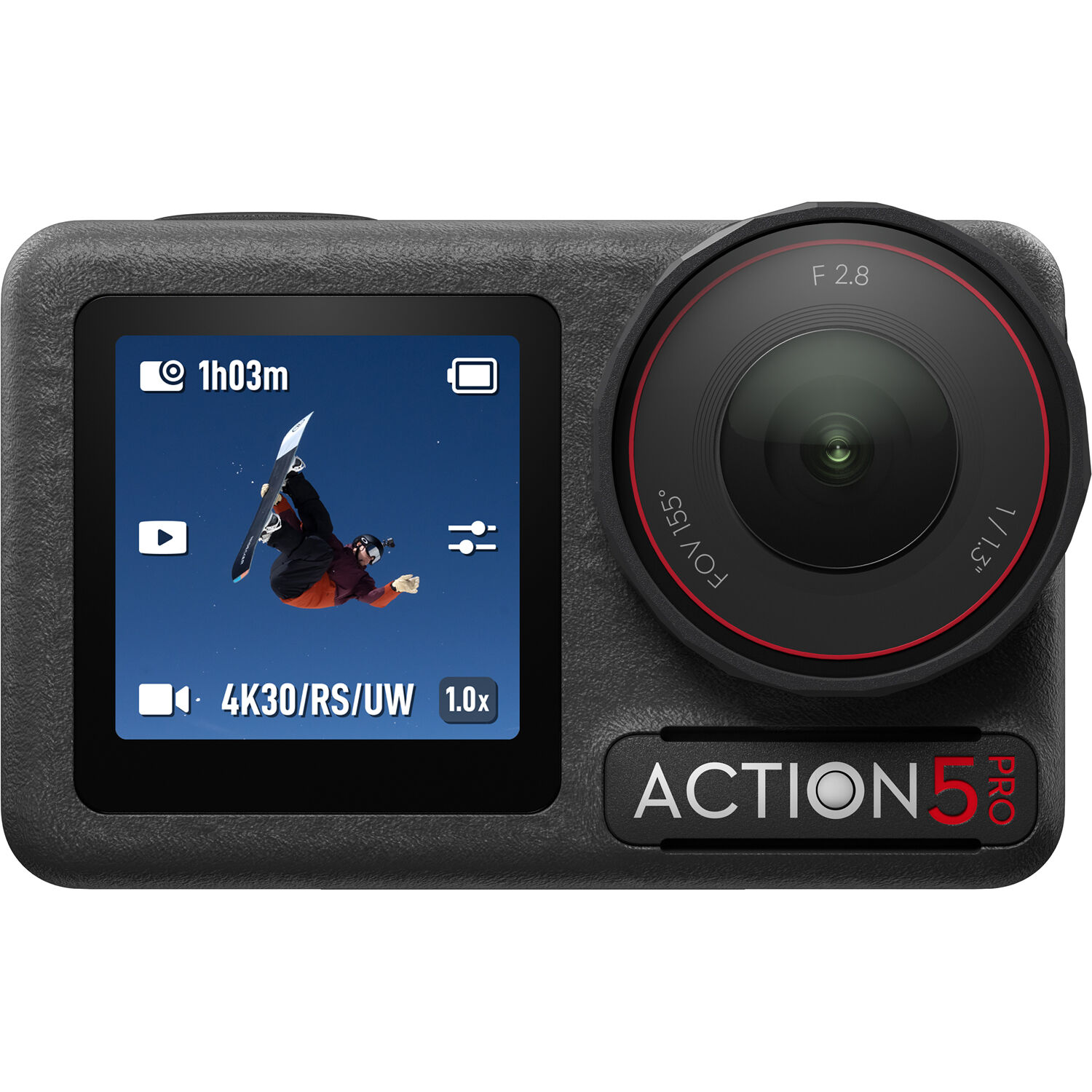
'This thing is tiny, crazy light, and honestly punches way above its weight. I've been using it for my car detailing side hustle and it's been an absolute' winner - the hustle owner's line, and the reason 'I actually bring it places instead of leaving it at home' matters: the camera you carry is the camera that shoots.
The pocket-camera paradox: the camera that stays home shoots nothing. The recorder-tier logic applies to bodies too. One owner has called its durability in and out of the water phenomenal, along with the audio quality and how easily it takes an external mic.
One parent has said they bought it for a teenager who uses it skiing and mountain biking, after a lot of research and some back and forth between it, a GoPro and an Insta360. They've called it a quick way to get video without losing quality.
The Decision Framework
That kind of back and forth usually comes down to how the gear fits into your daily life. The Sony ZV-E10 II lets you swap lenses to change the look, but it's much larger than the tiny DJI cam. The R50 is the cheap-mirrorless alternative, though the Sony body offers the wider lens selection - the R50's own page holds that comparison.
While the DJI Osmo Action 5 Pro stays in the water and handles battery swaps easily, the Sony body needs external gear for the best audio sound.
You can plug a mic into the DJI directly, though the mirrorless requires an adapter to get that same clear sound. The HERO13 is another tough pick for action, but it can't match the deep settings found on the mirrorless cameras. You decide based on if you need a rugged tool or a camera that works with many glass lenses.
Where Each One Fails
While many people repeat the 'crazy how small and powerful' line, you might still feel concerned about the build because it doesn't feel as rugged as some gear. Grey-import risk is the other caveat: 'crashing in every few seconds' was one buyer's unit, bought from a market the warranty does not cover.
The listing price looks better right up until the sensor misbehaves and there is no return path. It's still larger than an action camera, which makes it harder to carry when you want something discreet for travel. You'll find that bulk matters when you need a tool that can survive a drop on hard pavement.
The DJI Osmo Action 5 Pro is great for trips on the boat, but the fixed lens means you can't swap glass when you need a specific look for your shots.
No viewfinder, so framing gets tough in bright sun on that small screen. Night footage often looks grainy, because the small sensor can't catch as much light as a mirrorless body. That's the low-light ceiling.
Frequently Asked Questions
Which Camera Is Best for Vlogging?
An owner has said they're in love with the ZV-E10 II because it delivers everything they need for content creation without breaking the bank, and they've praised its color science too
A second buyer has called it a nice camera with good features and has used it mainly for streaming, and [No Film School's camera guides](https://nofilmschool
Which One Performs Better in Low Light?
The mirrorless wins in the dark - the larger APS-C-class sensor catches what the action cam's small sensor cannot, and the difference shows the moment the lights drop. Owners have found that the action cam's night footage often looks grainy, and the R50's page covers the APS-C alternative. You'll likely prefer the Sony if you're shooting indoors at night during parties.
Which Camera Is More Durable?
A buyer has found its durability in and out of the water phenomenal and uses it on their boat all the time, and others take it skiing and mountain biking
The mirrorless body needs a cage or case to stay safe during rough outdoor use.
Do These Cameras Have Audio Inputs?
The action cam's audio path makes mics easy to add. The mirrorless offers more professional flexibility, and the interview-kit workflow covers the board-feed chain. You'll get clear results on both devices - the difference is the adapter, and the desk-side audio kit prices the chain.
Can I Use Just One Camera for Everything?
One camera for everything: the mirrorless is more versatile, the action cam more survivable. 'Punches way above its weight' comes with a fixed lens. 'More than enough' comes with a lens mount.
Check B&H's camera stock for both tiers. Having both covers the high-end shot and the tough day, which is the honest answer. One camera for the shot, one for the day - the two-line summary the whole page was building toward.