
Yemenren 8GB Voice Recorder: The Budget Pick and Its Limits
A small voice recorder is one of the simplest tools for capturing interviews, lectures and meetings. Press record, set it on the table and come back to a file you can share or transcribe.
Cheap recorders are tempting, but they come with limits that don't show up on the listing. Noise handling, battery life and whether the files open on your computer all matter more than the storage size on the box.
Below is what the Yemenren does well, where it stops, the step up from Sony, and the wireless and 32-bit float options.
The Yemenren 8GB is the budget recorder that does the job until the Mac shows up, because one owner has found it formats only in Windows and its WAV files won't open on their Mac. The 3.7-star average is the honest read: fine hardware, real limits.
The Yemenren: What It Does Well
One user uses this recorder every single day at work to protect themselves against liars and unscrupulous people, so they turn it on the moment they arrive in the morning. It's a simple way to keep a record of conversations, especially when things get tense during a meeting.
Having the recorder ready means you don't miss a word when someone tries to twist the truth. This person bought two copies because they wanted a reliable backup.
When your evidence recorder is this cheap, owning a spare is the whole insurance policy - and the audio-capture chain starts with exactly this kind of always-on device. The podcast-side gear sits a tier up.
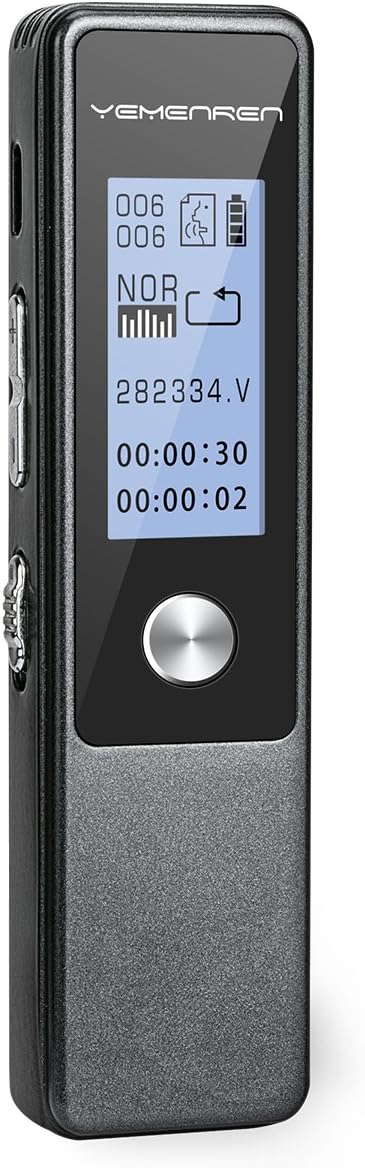
The battery life lasts a long time, reaching a maximum of eight hours of recording time when the user uses the voice-activated mode during a long work shift. You won't worry about power dying mid-interview. One owner has found the charge lasts a long time, with 8 hours the longest they've tried, and they bought a second unit as backup.
This little budget tool picks up bass quite well, although you'll appreciate the depth of the sound much more when you are wearing headphones while you listen back. It even manages to capture someone who speaks very softly, while they stand outside a somewhat noisy spot.
Because the sound is clear enough for basic needs, it works for those on a budget. The image shows the whole pocket-sized package.
Where It Ends: The Mac Problem
While the seller and the tool itself seem nice enough, there's a huge hurdle: the recorder only formats files for Windows, which means WAV files won't open on an Apple Mac without a third-party encoder.
One reviewer tested it alone at home with no background noise, the controlled test a recorder should pass. The result was low enough to warn the next buyer, even with the denoise and frequency levels set to high.
For daily work, this budget tool can leave you stuck when its settings fail to handle background noise.
The 3-star interview owner had exactly that experience. A smooth workflow assumes you own a PC. For anyone moving files to a Mac, that limit is a deal-breaker.
The Step Up: Sony ICD-UX570
The Sony ICD-UX570 is a compact tool that fits in your pocket without bulging, which makes it a great choice for people who need to move quickly while recording. It features two modes for voice and music, so it works for YouTube voice overs or simple daily notes - the audio-for-video stack usually starts right here.
They create audio journals that they'll easily import to a MacBook and even burn onto a physical CD. That's one reviewer's report.
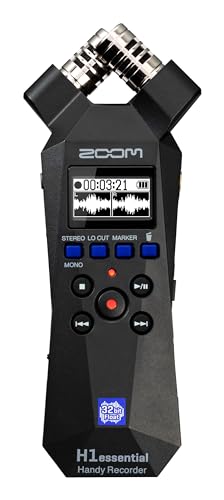
You'll find that it holds a charge for a long time because the USB plug and play works well when you need to retrieve your data very fast.
A German buyer liked the USB slot, since it makes the tool easy to handle every day. It's simple to operate, though some owners feel the battery is too short - 'Maybe 15min worth of rec time' was one complaint, while another says it 'Holds a charge for a long long time.' Both wrote after buying.
A buyer hit a problem where the USB stopped connecting - a major headache when you need your files back, and a 3-star worth heeding
You'll only get fifteen minutes of record time if the battery complaint holds, so plan ahead. PetaPixel's recorder coverage reads the same trade from the photo side. This tool is the solid step up from a basic budget recorder.
The Wireless and the 32-Bit Tier
For lectures on an iPad Pro with the Rode Wireless GO II, plan on a reset: one buyer has found that the last three sets they ordered all needed a factory reset first.
You have to buy an extra plug to connect it to a camera, as one owner has found, which adds to the total cost. One circus crew has found they don't seem to hold a charge between uses, a big headache for anyone on the go. One more setup note: update RODE Central to the latest version first, as a Spanish-speaking reviewer has advised.
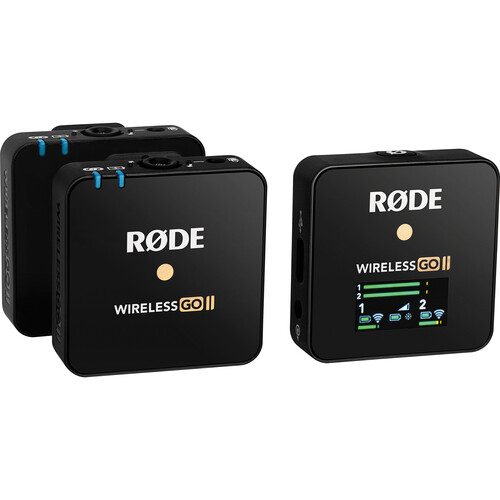
The Zoom H1essential is a great tool for recording band practice in a small basement - it captures all the instruments without you needing to worry about mic placement. The Spanish reviewer called the 32-bit float 'un salto cualitativo enorme' for field recording.
It needs a micro SD card and two AAA batteries to run, and one buyer has pointed out that neither comes in the box and nothing mentions it. While the battery lasts forever during ghost hunting, the plastic body feels light and you need to be careful with it.
It came with no cable to upload sound to a laptop, which makes moving files a pain, one buyer reports.
Check B&H's recorder stock for units with cards included - the H1essential ships without one, as does nearly everything in this class. The 3-star's warning is the buying guide: budget for the card and the batteries, because the box will not remind you.
Frequently Asked Questions
Does the Yemenren work with a Mac?
This budget device only formats for Windows, which means WAV files won't open on an Apple Mac unless you use a third party encoder. You might find this very frustrating if you rely on Mac computers for your daily audio workflow.
How long is the battery life?
The Yemenren can record for up to eight hours when you use the voice-activated setting, though the Sony step up has reports of shorter life. The Zoom H1essential also offers solid battery life for long periods of use during practice sessions.
Does it have voice-activated recording?
The Yemenren includes a voice-activated feature that allows you to capture audio automatically without having to press the button every time someone speaks. This feature helps when you might miss the start of a quiet conversation nearby.
Which models support 32-bit float?
Only the Zoom H1essential features 32-bit float technology to prevent audio clipping when the sound levels get too loud or sudden. This capability is a major benefit for those recording in unpredictable or noisy environments.
Should I buy a wireless mic or a recorder?
A wireless system like the Rode Wireless GO II needs the extra plug a camera connection demands, whereas handheld recorders work more directly - better for simple voice memos and quick interviews on the go. PetaPixel's audio coverage reads the same trade from the photo side.