
Neewer Bi-Color 660 LED Video Light: A Budget Panel That Lasts
LED panels are usually the first real lights people buy, and the cheap ones have a habit of not lasting. Plastic housings crack, controls fail, and the light that looked bright in the listing turns out to be a dim fill.
The Neewer 660 has built a reputation for the opposite: a budget panel with a metal body and real barn doors that owners are still using years later. It isn't the brightest or the most flexible light you can buy, and knowing where it falls short matters as much as knowing what it does well.
Below is what the 660 actually is, how bright it gets in practice, how it's built, and the alternatives worth a look.
The Neewer 660 is a reliable budget bi-color panel that lasts for years - buyers from 2019 report still using theirs, thanks to metal construction and real barn doors.
While it offers bright and adjustable output for projects, the trade-off regarding its power flexibility and battery life might frustrate some mobile creators. You might step up to the 660 PRO RGB or Godox SL60IID for different features, but the standard 660 covers the basics.
What the Neewer Bi-Color 660 Actually Is
This light panel uses 660 LEDs to provide light that you can adjust between 3200 and 5600 Kelvin, per Neewer's spec pages, which helps you match the mood of any room. It features a metal body with heat-sink fins to keep the electronics cool while you work for very long production hours.
The included metal barn doors shape the beam and stop light spilling where you don't want it. The U-bracket allows you to mount the light on a stand easily, which makes setup very fast for your crew.
Because this light comes with an AC power cord but also takes NP-F batteries, you can run it off a wall or take it out for shoots without needing outlets. The NP-F ecosystem is cheap and everywhere, and spare cells cost far less than proprietary packs. If you shoot three-hour sessions, two spare batteries cover a full evening without a wall outlet.
The light stays accurate at CRI 96+, which ensures that skin tones look natural and vibrant on your digital video files. Two power options mean you can light a set from a wall or run on batteries where outlets don't reach.
Brightness, Color, and Everyday Output
A corporate editor used these panels to capture product footage while moving on a slider and turntable, finding the light is bright and adjustable enough for both photos and high-quality video work. It isn't a heavy key light, but it works well as a fill or secondary panel for you. Since it hits 3200 to 5600K, the colors look very natural for your various product shots.
You can tweak the light to match your scene, which helps you keep the look the same across different shots.
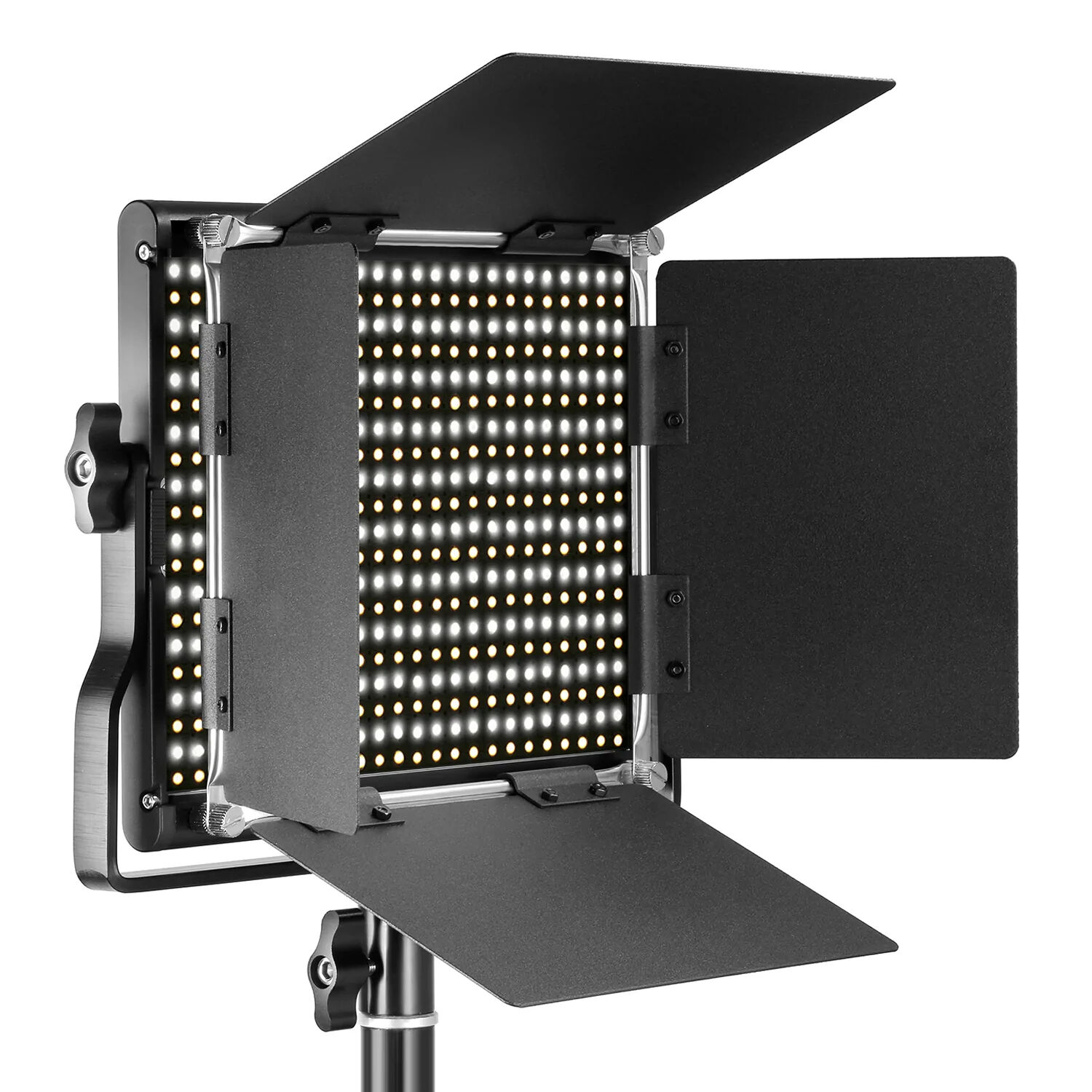
Because the light has a CRI of 96 or higher, the colors stay true to life even when you are shooting very delicate skin tones or vibrant fabrics without looking wrong. Since colors stay true, you skip hours of color fixing in the edit. Most owners find that the light keeps working, which makes it a solid choice for people building a home studio setup.
As the main light on a large set, this panel lacks the strength to punch through shadows in an open space. It works better filling shadows, adding detail without washing out your subject. Pair it with a stronger key light, and your lighting stays even instead of flat.
Build Quality and the Small Control Screens
One owner bought these lights back in 2019 and still uses them seven years later, which shows that the gear holds up well over long periods of daily use.
The barn doors included in the kit are made of metal, so they help shape the light without feeling like cheap plastic. Most owners find the stands keep the panels steady while filming. The build is solid, so you won't have to worry about the frame breaking as you move it.
While the hardware feels tough, the control panel screens on the back are quite small, which makes them hard to read when you adjust settings.
You might find yourself squinting to see the numbers because the display is not very clear, which is annoying. This small detail can be a nuisance when you need to change color temperature, which happens during a shoot. Even though the screens are tiny, the rest of the gear works well for anyone who needs a reliable light.
Alternatives Worth a Look
For full color and app control, the 660 PRO RGB is solid, though some buyers have complained that the plastic stand mount feels cheap and weak.
One reviewer says they would buy it again, because the light matches ambient color temp well for mood lighting projects. You might still worry about the parts, since some people claim they break easily if you treat them too roughly. The gear stays popular with those who want more than the standard bi-color settings provide.
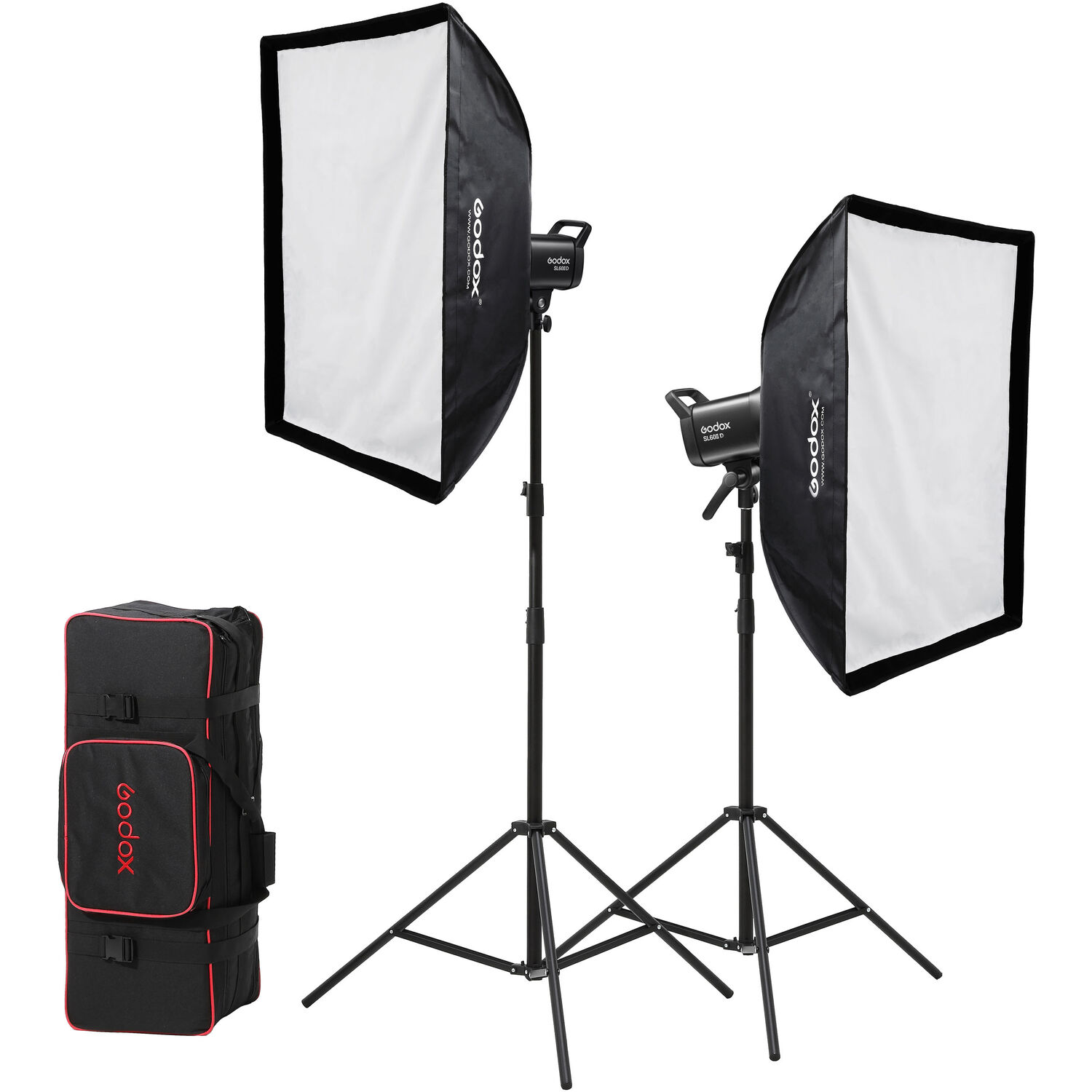
The Godox SL60IID gives a bright 70W daylight light - about 18,600 lux at one meter - and stays quiet while you set it up in about three minutes out of the box.
Owners report the interface is simple enough to learn the same day. It only works for daylight, which means the Kelvin dial actually does nothing when you try to change it. This limit makes it hard to balance the light against other brands, since you can't match the tones. The kit photo shows the full setup with softboxes and the carry bag.
To save money, the 480 kit is cheap, but it only pulls 28W and lacks the barn doors that come with the larger 660 panel, and B&H's LED panel category shows the wider price ladder.
A teacher uses these for non-commercial work, because they are bright enough for makeup tasks and simple video. Some users fear they may not survive constant professional use, because the power is a bit low for big studio sets. That setup fits well for beginners who don't need the heavy tools of a more expensive rig.
Frequently Asked Questions
Is it bright enough for a home studio?
It works well for fill shots and small product photography. Two units together make a proper primary key light for talking-head video, and the metal barn doors cut spill in a small room. The intensity covers basic indoor setups without extra gear.
Does the kit come with batteries?
While the package includes mounting stands and diffusers, the NP-F batteries are sold separately as an accessory rather than being included in the box. You can buy an NP-F charger set if you need portable power for location shoots.
How accurate is the color output?
The panel hits CRI 96 or higher, so product shots read natural with minimal correction in the edit. Skin tones stay consistent as you move the panel between setups.
What is the main complaint from owners?
The control screens on the back are quite small and sometimes difficult to read while adjusting specific brightness settings, one owner noted.
Should I buy the single or double light kit?
Get the double pack for interviews or product work, since key-plus-fill is the standard two-light setup. A single unit suffices if you already own a stronger key light. Standard softbox mounting works on these frames, and the diffusers in the kit already soften the LEDs for close work.
For interviews, a collapsible softbox in front of each panel takes the edge off without losing output.