Film Lighting Kit: The Amaran 100d as the Core
A first film lighting kit is easy to overbuy. It's tempting to grab the biggest light you can afford, plus a few colored effects lights, and end up with a bag of gear that's heavy to carry and rarely used.
Most small shoots, especially interviews, need far less than that: one good light with a softbox, something solid to stand it on, and a second light only when the first one stops being enough.
Below is the light that makes a good core, why a bigger light is often wasted, and what else the kit needs.
The Amaran 100d is the film lighting kit core, which one owner has called great value for the money, and the 200x S is the step up when it runs out of headroom. Buy in that order and the kit grows with the work.
Amaran 100d: The Kit Core
'Fantastic! It's bright, reliable, and perfect for both photography and video work. The app control makes it super convenient to adjust settings without having to move around. The light is also lightweight and easy to set up.' That is the 100d's owner summary, and it reads like the spec sheet of a kit that actually gets used - Aputure's Amaran pages list the 100W daylight COB and Bowens mount behind it.
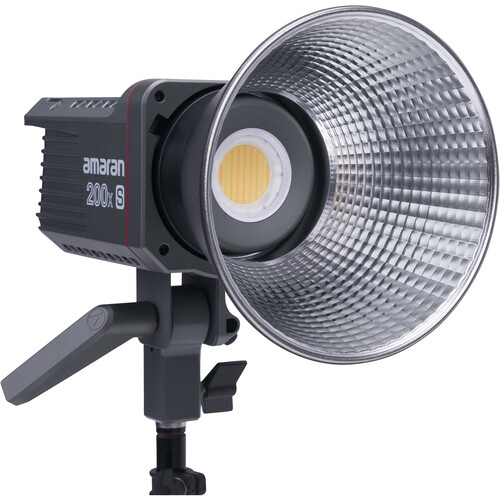
One owner has used it with a rectangular softbox for interviews and loves it as great value, which is exactly the pairing a one-person kit wants.
The same owner has the sharpest take in the sample: their bigger light was always running at 10% power, so it was a bit unnecessary. Another owner has found it works very well with the app alongside their other Aputure lights, so one phone runs the whole kit, and Aputure's Sidus line documents the integration.
The 10% Power Story: When a Bigger Light Is Wasted
Plenty of kits carry lights far too big for the job, then run them at ten percent power because the extra output never gets used. The owner describing it named the pattern: buy big, use small, haul heavy anyway. The 100d's whole pitch is that the pattern stops - the value case is the first line of the first review in the sample.
Carrying heavy gear for a corner is a waste, and it makes the setup slow. The 100d solves this by giving you what you need without the bulk. It fits in your bag, so you don't have to struggle with heavy cases.
Using a giant light just as a key means paying for weight and size you don't need for daily work. This small light works for interviews and stays light enough to set up alone - the brightness arrives without the weight, and the budget survives - which is the point of a kit, not a collection.
Owners have been enthusiastic about it, and nothing in the reviews walks that back. The interview-lighting kit page reaches the same conclusion from a different angle.
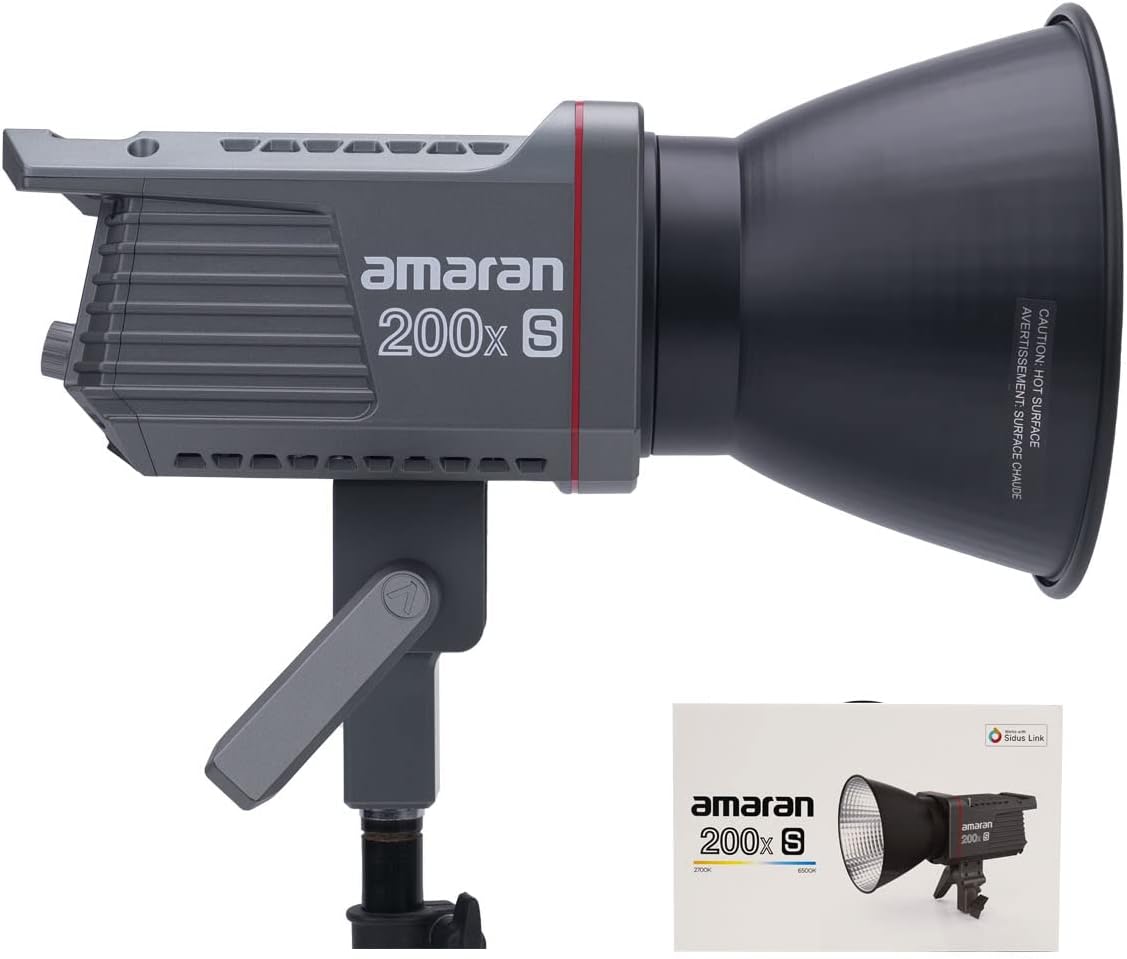
When the scene calls for more light than the 100d gives, the 200x S is the step up. That bigger tool offers more punch, but it shouldn't be your choice for every small task. Right-sizing keeps production fast and the truck lighter - the whole crew notices, not just the wallet.
Stick to the size that fits and the whole kit gets lighter - the 200x S exists for the days the 100d runs out of headroom, not for every small task, and never the other way around. The day job decides: interviews in corners are 100d work, large rooms and darker locations are not. The same staging logic as the budget two-light kit applies.
What Else the Kit Needs
The light is the start, not the kit: stands, a softbox, and sandbags keep it safe and shaped. Sandbags especially - a toppled light is the one mistake that ends a shoot day, and the cheapest sandbag is still cheaper than the light it saves. The interview-lighting approach pairs a key and fill the same way.
The buying order that works: one COB with a softbox first, sandbags with it, then the fill unit, then effects.
Skipping to effects before the base look is repeatable is the classic beginner spend, and the effects then sit in a closet while the interviews go unlit. The 100d earns its slot because it's the piece that gets used every single day, and for a daily-driver light, simply working well is what counts.
The rest of the kit is spending discipline, not shopping, and owners have found these lights reliable even if they aren't the cheapest. A second unit for fill is next, since one source rarely covers every angle of a face. The kit that gets used daily beats the kit that looks complete on a shelf: one working light, one stand it trusts, one bag it fits in.
Everything else is a purchase waiting for a justification - and the justification never comes, which is exactly how shelves fill with unused gear while the one light that works never gets replaced.
For talking-head work, the Halo ring is the other shape worth knowing - even light across the face, no harsh shadows. It is not a replacement for the COB - it is the answer to a different shot. 'Enamorado de la linea amaran! Super recomendado' - in love with the Amaran line, super recommended - the family feeling crosses languages.
And the app integration is the reason to stay in one family: every light answers to the same phone, so growing the kit never means learning a new interface or re-learning a menu.
Frequently Asked Questions
Is the Amaran 100d better than the 200x S?
The 100d makes sense over the 200x S when a bulkier light would only run at ten percent - the owners' own math. If interviews and small corners are the job, the 100d is the right size. The 200x S is for bigger rooms and darker locations.
What softbox should I use with this light?
A rectangular softbox is the interview answer - controlled light, shaped falloff, no spill on the background. The owner in the sample ran exactly that pairing and called it great value - it is the most-repeated setup in the reviews.
Can I use this light for location shoots?
It is lightweight and easy to set up, which helps when moving between locations on a long day.
On mains power it goes anywhere. On battery, budget the plate - the 100d's weight is a feature only when the power plan is solved. Another owner has found the quality excellent, recommends it, and had it arrive in perfect shape.
Does the app control work with other lights?
The app manages the whole Aputure family from one interface, and the owner adding a second unit has found it works very well alongside their other Aputure lights. When things get hectic on set, one phone is the difference between adjusting and interrupting. That single control point is also why mixed-brand kits feel worse than their specs.
Should I get daylight or bi-color versions?
The 100d is daylight-only - right if your color temperature never changes mid-shoot. Daylight pairs with windows, bi-color pairs with nothing. If the work is interiors with mixed light, the x-versions earn their premium. If it is daylight interviews, the d saves money on features never touched.