
Podcast Lighting Setup: One Key Light First, Then Fill and Back Light
Most podcast video looks worse than it should, and the camera is rarely the reason. A face lit by an overhead bulb, a window blowing out one side of the frame, or two hosts lit by different lamps will make an expensive camera look cheap.
We've lit hundreds of video interviews, often with a single soft light placed close to the subject, and the lesson carries straight over to podcasts: start with one good key light and add the rest only when you need it. Below is where that first light goes, how to handle fill, back light and windows, which lights are worth buying for a two-person show, and the mistakes that show up on camera.
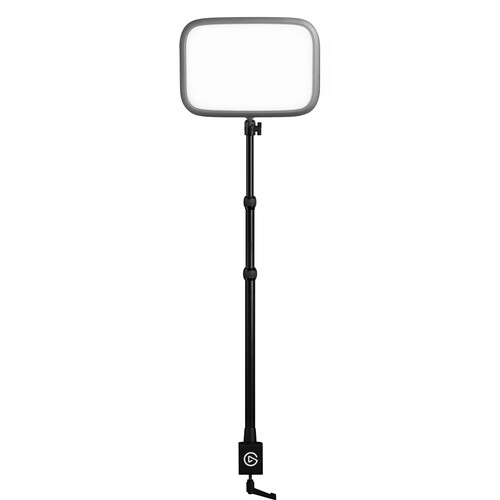
Placing one soft key light at about 45 degrees with the same color temperature as your room does more for a podcast than a better camera, since you can always add a fill and back light later. The popular Elgato Key Light comes as just one light, which a top review warns about because the box shows two.
Start With One Soft Key Light
You should place your main light about forty-five degrees to the side and just above eye level because this angle creates a flattering look for your face while recording.
Using a large source like a softbox or a light bounced off a wall helps create soft shadows, which makes the image look much more professional for viewers. You need a light with a CRI rating above ninety so that your skin tones look natural instead of flat or greenish on screen.
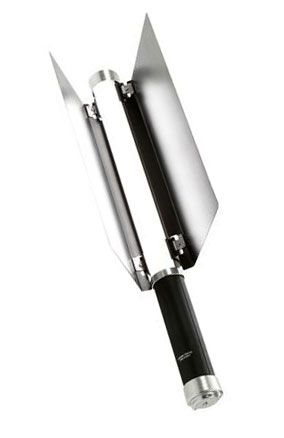
We have used a Westcott Ice Light 2 as the key light on hundreds of video interviews. It is not nearly as bright as a full 1x1 panel, but placed close to the subject it looks beautiful.
One Key Light buyer puts the camera thirty inches from the face and the light fifty inches away on a diagonal. If you wear glasses, you should raise the light and move it wider to stop those ugly reflections from showing up in your lenses.
Starting with just one light is a smart way to build a podcast because it lets you master the basics before you worry about adding fill or hair lights. It also keeps your budget low.
Fill, Back Light and the Window Problem
When you mix natural daylight from a window with warm room lamps, you often end up with one side of the face looking blue while the other stays orange.
You must match the color temperatures of every source or simply close the curtains to keep the skin tones looking natural. Windows are one reason we have nearly always pushed for indoor interview setups: most LED panels can't overpower sunlight, and a closed room also keeps out the leaf blower that starts when you roll.
| Show | Key light | Fill | Back light |
|---|---|---|---|
| One host at a desk | one soft source about 45 degrees to the side, a little above eye level | a white wall or a small panel, dimmer than the key | add later, to lift you off the wall |
| Two hosts at a table | one soft key per host, or one big softbox each | a dimmer panel on the far side of each face | one behind each host if the room is dark |
Set every light to the same color temperature, and close the curtains if you can't match the window.
You should place a fill light on the opposite side of your main source to soften shadows, but you must keep it dimmer so it doesn't wash out the image. A back or hair light helps separate the person from the background, which prevents the shot from looking flat against the wall. Without this depth, the subject blends into the room behind them.
For a small fill light, the Lume Cube Panel Mini offers 300 lumens and a 3200-5600K range with up to 14 hours of battery, and it runs while plugged in. We covered this credit-card sized light in a 2020 review as an easy tool for creators and Zoom users. Most desk lamps also throw reflections onto your monitor, as we noted in our 2019 ScreenBar review.
Lights Worth Buying for a Two-Person Show
With the Elgato Key Light for your setup, plan to buy two or three units, because a single light won't properly cover two people sitting at a table. This 2800-lumen panel uses a desk clamp, but one four-star buyer found getting it onto Wi-Fi extremely difficult, and it sometimes drops the connection.
You might see a 4.5-star rating, yet the most helpful review is a one-star from a cinematographer who got one light when the box shows two. A VFX supervisor who uses one with a Stream Deck calls it a luxury, and says paper lantern lights can do the job for less.
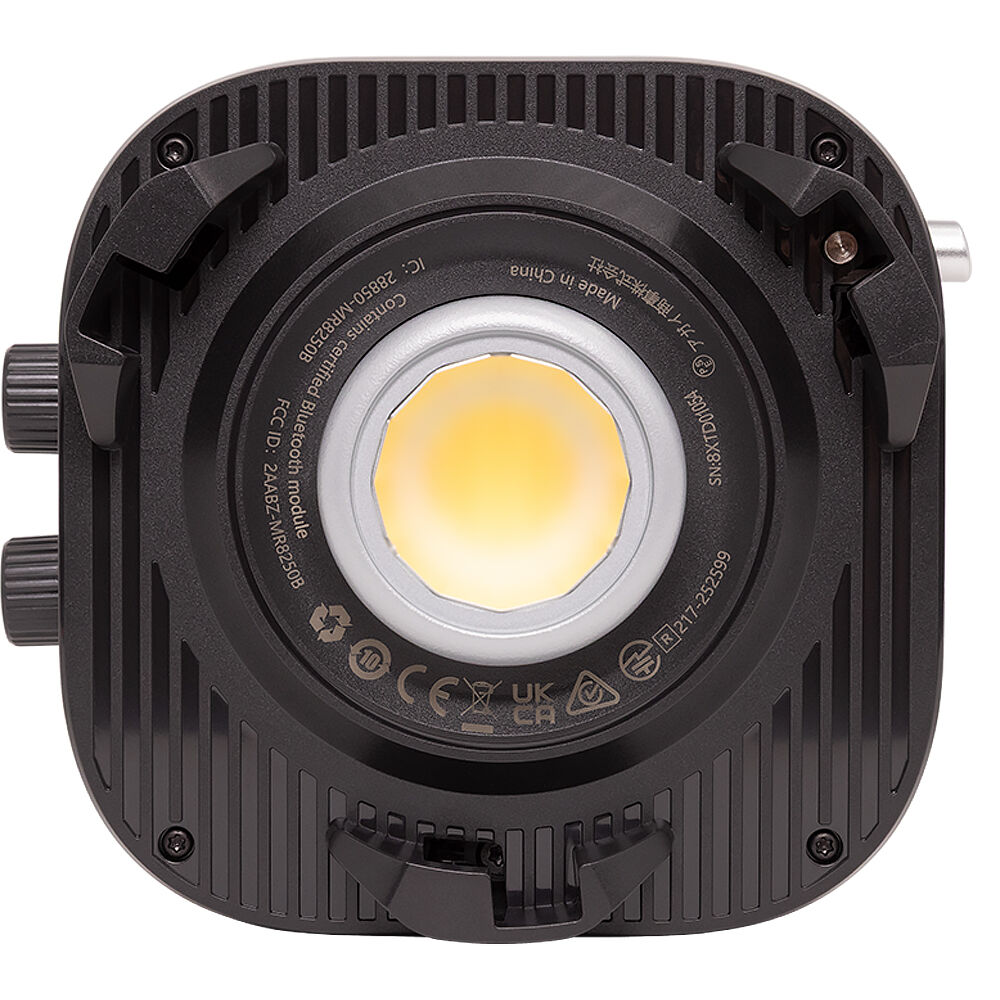
The Amaran Halo 100x paired with a Quick Dome 60 softbox is a better pick for a pair of hosts because it creates a bigger and softer light source. This 100W COB light produces 4,890 lux at one meter with no modifier, while its CRI of 96+ helps keep skin tones looking natural.
The Bowens mount allows you to attach the two-foot softbox with a grid to control the light spill.
I'd skip the small monitor-mounted lights for a two-person show. The Key Light Neo tops out at 1,000 lumens and 21% of its 16 ratings are one star, and a NEEWER 10.5-inch desk ring light has 15% one-star ratings out of 111.
Mistakes That Show Up on Camera
Rely only on the overhead room light and you'll likely end up with deep shadows under your eyes that make you look like a character from a horror movie. This effect happens because the light comes from directly above, so it cuts out your features and creates a harsh, unnatural look. You should move the light or use a dedicated lamp to fill in those dark spots on your face.
Placing a bare panel too close to your face creates harsh glare that distracts the viewer since the light source isn't big enough to wrap around your features. You can fix this by using a softbox or bouncing the light off a white wall, which makes the shadows look much gentler. If the lights are too bright, people will squint constantly, so you must turn the intensity down.
Frequently Asked Questions
How many lights do I need for a video podcast?
You can start your setup with just a single key light, but you'll need two or three units if you're hosting two people. Adding extra lights helps fill shadows and separate hosts from the background.
Does the Elgato Key Light come in a pair?
Each box contains only one light, and one top reviewer noted that they expected a pair because the advertising shows two units. You have to buy two separate sets if you want that specific matched look.
Should I use a ring light or a light panel?
A ring light works well for a single person sitting at a desk, but a softbox is better for a two-person setup. Larger light sources create softer shadows on your guests' faces.
What color temperature should I use?
You should match your light color to the existing environment in the room and ensure all lights are set to the same. Mixing cold daylight with warm lamps will make your skin tones look uneven.
How do I stop glare on my glasses?
To stop reflections from appearing in your lenses, place the light source higher up and move it further out to the side. This technique moves the glare out of the line of sight.
What CRI do podcast lights need?
Aim for 90 or higher, so skin doesn't look greenish or flat. The Halo 100x lists CRI 96+. One Key Light buyer notes it is edge-lit with 97 CRI, and points out that an 80 CRI panel with the same lumens is office lighting.