
Best Sports Video Camera: Tested Picks for Sideline and Field Shooting
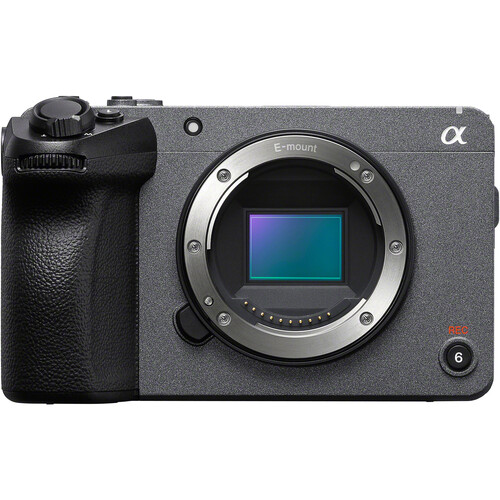
The Sony FX30 is one of those rare cameras that will expose every single weakness you have in your camera, and in terms of sports video it is no exception. Slow autofocus, overheating, low frame rate capabilities, rolling shutter on fast pan, if your camera cannot keep pace with the action you will quickly know it. After researching what currently works for sports video shooters, the Sony FX30 continually comes back as the camera that satisfies the most requirements for the price. While it may not be the only option available, it is definitely the most logical choice for many of the sideline and field shooters using this camera.
Why Shooting Sports Video Is Harder Than It Appears
Shooting sports is not as easy as sitting down for an interview or simply walking through a B-roll sequence. The athletes are always moving fast, the lighting is always changing (especially in an arena setting with a mix of artificial light), and you typically never get a second take. Therefore, your camera must be able to rapidly track the athlete(s) you are filming with a fast continuous autofocus, offer high frame rate capabilities for slow motion replays, and contain sufficient dynamic range to capture either extremely bright, sunny conditions or very dimly lit gymnasium settings. And most importantly, it needs to accomplish all these tasks without overheating halfway through the second quarter.
The Autofocus Challenge
This is essentially where a lot of cameras fail for sports video shooters. Phase-detect AF is essentially a necessity. Contrast-detect systems generally hunt too much when athletes are moving laterally across the frame (as is the case for almost every sport). Ideally, you would like a camera that has a large AF coverage area (ideally 90% or greater of the sensor) and is capable of reliably tracking subjects. Eye AF is a welcome feature when you are shooting tight on athletes.
Frame Rates and Slow Motion
Your minimum frame rate for sports should be 4K at 60fps. You will likely want the capability to go higher in terms of frame rate for replays and highlight reels. 4K at 120fps allows you to obtain the smooth 5x slow motion in a 24fps timeline that is the hallmark of professional sports highlight packages. Some cameras can only achieve those higher frame rates by cropping the sensor or reducing the quality, therefore, be sure to read the fine print.
The Sony FX30: Built for This Type of Work
The FX30 exists in a unique sweet spot where cinematography camera features exist in a body size and cost that makes sense for sports video. It is a Super 35 (APS-C) sensor camera with a 26.1MP Exmor R CMOS sensor and Sony's Bionz XR processor. This is the same processing platform that powers the much more expensive FX6 and FX3.
AF That Works as Promised
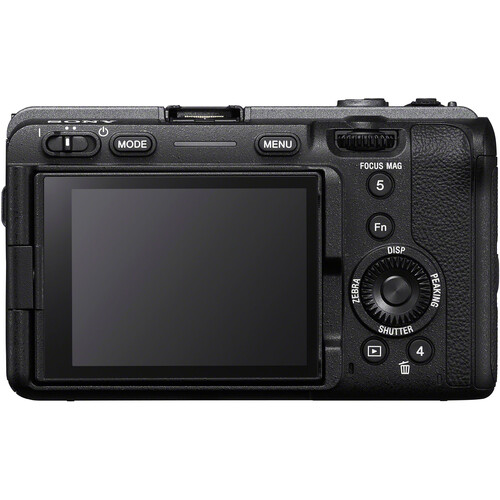
The FX30's 495-point phase-detect AF system covers approximately 90 percent of the sensor and is surprisingly fast. B&H reviewers frequently cite the AF as one of the camera's greatest strengths. One reviewer who upgraded from the A6600 stated "AF is super-fast and spot-on with native lenses." Additionally, one user who frequently uses the FX30 for his work stated the tracking was reliable enough for run-and-gun work without having to babysit the focus point.
Real-time Eye AF and Real-time Tracking work in all recording modes (including 4K at 120fps). This is a huge advantage for sports shooters since many cameras turn off their best AF features when pushing to higher frame rates. The FX30 does not require you to choose between speed and focus accuracy.
4K Up to 120fps Without All the Drama
UHD 4K recording is possible at 24, 30, 60, and 120fps internally in 10-bit 4:2:2 XAVC S-I. When recording at 120fps you are obtaining true slow-motion footage that will hold up nicely on a large screen. The FX30 oversamples from 6.2K down to 4K, providing sharp footage with virtually no moire. There is a minor 1.04x crop at 4K, which is basically negligible.
For 1080p recording, the camera goes up to 240fps. That is 10x slow-motion for those really dramatic replay moments.
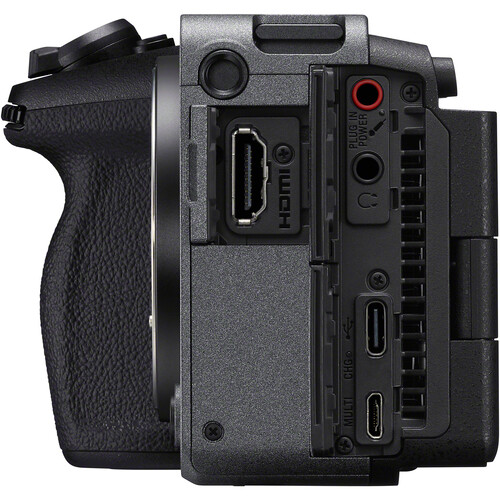
Advantageous Cooling System
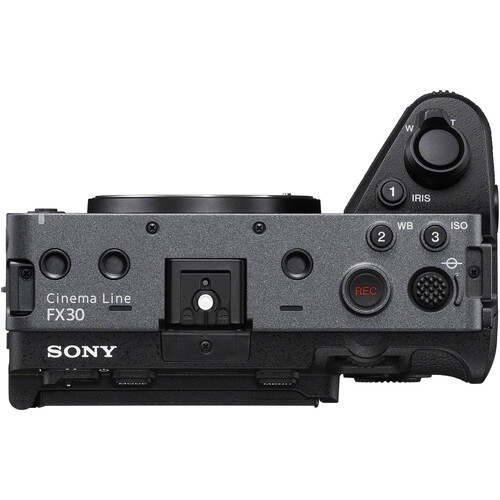
Something that is far more important than specifications on paper is how the FX30 is cooled. The FX30 has an active cooling system with a built-in fan. B&H reviewers frequently mention this advantage. One user specifically mentioned he switched from the Sony A6700 because "it overheated all the time doing anything above 24fps." The FX30 does not have this problem. You can continue recording throughout a complete game without the camera shutting down on you, which is truly a major non-negotiable for sports video shooters.
Image Quality and Color Science
The FX30 captures 14+ stops of dynamic range using Dual Base ISO architecture. This means you will have ample dynamic range whether you are shooting outside football in extremely bright mid-day sunlight or inside basketball in a dimly lit gymnasium. The dual base ISO reduces noise when you need to increase the sensitivity.
Users frequently comment on the image quality relative to the cost. One reviewer stated the 4K footage was "sharp" with "good dynamic range," and mentioned that "Super 35 sensor provides a nice cinematic look without much trouble." Another reviewer mentioned that "the 10-bit footage is a huge step up" from 8-bit cameras, which provide a tremendous amount of latitude for grading.
S-Cinetone and S-Log3
You receive Sony's entire suite of color science tools. S-Cinetone delivers a natural, slightly desaturated cinematic look right out of camera, which is great when you need to quickly deliver footage after a game. S-Log3 provides the ultimate flexibility if you have time to grade. As per reviewers, "S-Log3 grades fairly easily if you know your way around it." You can also load up to 16 custom LUTs directly into the camera for monitoring purposes.
Practical Items That Matter on the Sideline
Dual Card Slots
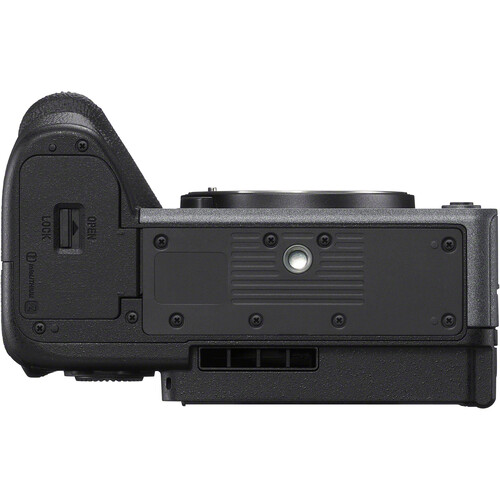
The FX30 takes both CFexpress Type A and SDXC cards in dual slots. You can record simultaneously for backup (critical when you're capturing a once-in-a-season play) or use relay recording to switch cards without stopping. One reviewer specifically cited dual cards as a reason they upgraded from a hybrid camera to the FX30 for "any type of serious or professional work."
Size and Weight
At 1.2 pounds body-only and a compact form factor, the FX30 is small enough to handhold for extended periods or mount on a gimbal like the DJI Ronin-S without killing your arms. Multiple B&H reviewers describe it as feeling "like a true cinema camera in a compact body." One shooter who films fishing shows on boats and muddy rivers praised the size for exactly this kind of mobile work.
The Sony Lens Ecosystem
Because the FX30 uses Sony's E-mount, you've got access to one of the deepest lens ecosystems in the business. For sports, you'll want something like the Sony 70-200mm f/2.8 GM for sideline work or the Sony 16-55mm f/2.8 G for wider field coverage. One reviewer specifically recommended pairing the FX30 with "the 16-55 F2.8 Sony lens" for go-anywhere shooting. Third-party options from Sigma and Tamron work great too, and the Sigma 18-35mm f/1.8 Art remains a favorite for its speed and sharpness on APS-C bodies.
Alternatives Worth Considering
The FX30 isn't the only camera that works for sports. Here's what else is out there.
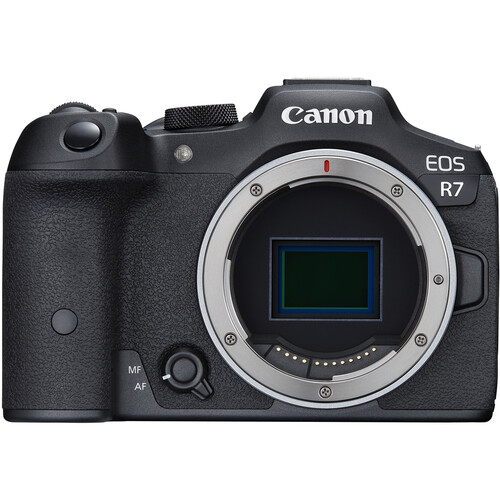
The Canon R7 is a solid APS-C option with excellent Dual Pixel AF and 4K at 60fps. It's lighter on the wallet and Canon's RF lens lineup is growing fast. But it tops out at 60fps in 4K and doesn't have active cooling, so longer shoots can be an issue. Check Canon R7 options at B&H.
The Sony A7S III moves you to full frame with incredible low-light performance and 4K 120fps. It costs significantly more, but if you're shooting a lot of indoor sports in poor lighting, the full-frame sensor makes a real difference. See Sony A7S III at B&H.
The Panasonic GH6 gives you 5.7K recording and excellent in-body stabilization at a lower price point. The Micro Four Thirds sensor means more depth of field (actually useful for keeping athletes in focus), but low light performance takes a hit compared to the larger sensors. Browse Panasonic GH6 at B&H.
You can also compare prices on the Sony FX30 on Amazon to find the best deal.
Essential Accessories for Sports Video
You do not just need a camera. To properly set up a sports video camera system you will need several additional items.
A fast zoom lens is likely going to be your first purchase. A lens in the 70-200mm range is ideal for sideline work, while a wider lens is better suited for establishing shots and run-and-gun footage. An on-camera monitor will help you see the camera display in bright sunlight when the LCD becomes difficult to view. For audio, a shotgun mic like the Rode VideoMic NTG will pick up ambient crowd sounds and commentary without weighing heavily on your rig. And if you need to wirelessly transmit audio for coach or player interviews, a Rode Wireless GO system will make it incredibly simple.
Do not forget to acquire fast media cards. While expensive, CFexpress Type A cards are worth it for 4K 120fps recording. Bring at least two cards and switch them out during breaks.
Frequently Asked Questions
Can the Sony FX30 shoot slow motion for sports highlights?
Yes, and it performs quite well. The FX30 is able to shoot 4K at up to 120fps and 1080p at up to 240fps. At 4K 120fps, you will be able to shoot 5x slow motion in a 24fps timeline, which is precisely what you will need for highlight reels and replay packages. The AF system operates at all frame rates too.
Does the FX30 overheat during long shoots?
No, this is one of the largest advantages of the FX30 for sports video shooters. The FX30 has a built-in fan that actively cools the camera allowing you to shoot continuously throughout a full game without the camera shutting down on you. B&H reviewers frequently state that this is one of the reasons why they chose the FX30 over hybrid cameras like the A6700 or A7 IV that will often shut down due to heat during prolonged 4K recordings.
Is APS-C good enough for sports video?
For most sports video work, absolutely. The Super 35 sensor of the FX30 produces a slight crop factor (1.5x) that will actually assist you in obtaining more reach with your telephoto lenses. However, the drawback is slightly reduced low-light performance compared to full frame. With Dual Base ISO, the FX30 still manages to perform adequately indoors. If low-light is your top priority, consider stepping up to a full-frame body like the Sony A7S III.
What lenses work best with the FX30 for sports?
Sony E-mount offers an enormous array of options. For sideline work, the Sony 70-200mm f/2.8 GM II is the best option. For wider coverage, the Sony 16-55mm f/2.8 G is a popular choice among FX30 users. The Sigma 18-35mm f/1.8 Art with an MC-11 adapter is also a fantastic option due to the speed of the lens in low-light.
How does the FX30 compare to the Canon R7 for sports video?
Both cameras are APS-C cameras with superior autofocus. They cater to slightly different needs. The FX30 excels in terms of frame rates (4K 120fps vs 60fps), active cooling for prolonged shoots, and 10-bit 4:2:2 internal recording. The Canon R7 is less expensive, lighter and has a more traditional DSLR body design that some shooters prefer. In terms of dedicated sports video work, the FX30's higher frame rates and cooling system are the deciding factors.
Can I use the FX30 as a B-camera with other Sony cameras?
Yes, and reviewers love this about the FX30. One B&H reviewer noted the FX30 "cuts cleanly with my other Sony cameras" when utilizing the FX30 as a B-camera in conjunction with an FX6. Since the FX30 utilizes the same color science as the rest of Sony's Cinema Line, you will spend less time in post matching the footage.