
Best Gimbal for Smartphone Video: Osmo 7P, Flow 2 Pro, M7
Phones shoot great video now, right up until you start walking. Every step turns into a little bounce, and it shows the moment you follow a kid down a soccer field or a skateboarder down the street.
A gimbal fixes that, but phone gimbals look almost the same on a store shelf. The real differences only show up once you use one: how good the app is, how well it tracks a moving subject, whether the motors can hold a big phone, and how fast you get from pocket to shooting.
So the picks are grouped by what you care about most, whether that's an app that stays out of the way, tracking that keeps up, or the lowest price that still does the job.
The DJI Osmo Mobile 7P is the flagship pick because it just works, while the Insta360 Flow 2 Pro is the AI-tracking rival, the Hohem iSteady M7 is the feature pack, and Osmo Mobile 6 is the value pick.
You'll find the Zhiyun Smooth Q5 Ultra decent as a budget option though the app's trashy and the motors struggle with heavy phones. The Osmo Mobile 8 is the new release, and one first-time owner shot 10 videos with it within the first couple of weeks. The pick depends on the job: follow-cam, flythrough, or desk.
The Flagship: DJI Osmo Mobile 7P
This flagship gimbal feels as smooth as an Apple product because it really just works without forcing a struggle with settings.
One reviewer has noted the "it just works" Apple comparison, and the same owner shared a TikTok purchase story where ten-second clips pay for the gear. Software that stays out of the way separates this tool from app-first rivals. It's a solid pick for those who want gear that acts just like it should.
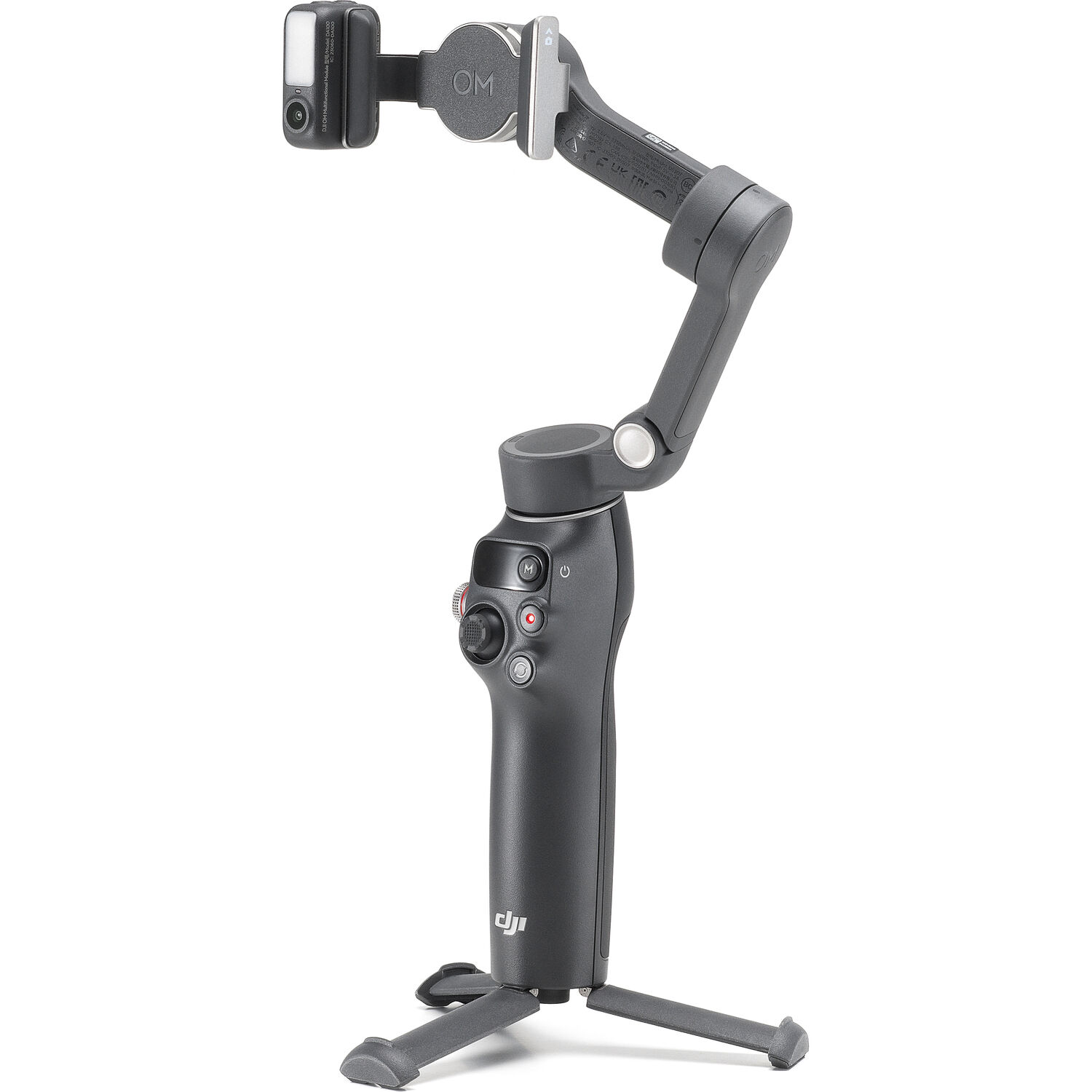
Whether you are filming a fast baseball game or capturing skateboard tricks for a yearbook, this tool keeps your shots steady, while you move through the crowd with your phone. It handles fast action well, which helps when you chase big plays on the field.
One owner has used it to track movement at soccer games, and the video stays clear. It stays simple to use, too.
The folded footprint is the travel argument: it slides into a jacket pocket, and the tripods-and-bags crowd notice. You save time by not fighting the hardware, and you won't miss moments because you were fiddling with menus.
The sports rotation - baseball, yearbook, futbol, skateboard - is the same owner's four-season test, and the 7P cleared all four without a settings change. So the flagship pitch is simple: no per-sport profile, no app dive, just the follow mode and go.
The AI-Tracking Rival: Insta360 Flow 2 Pro
One shopper has found that its AI tracking and full 360-degree range of motion made it an easy choice over the DJI, and that it follows their moves without any weird lag.
One reviewer has said they were blown away after just two days of use because the gear's very powerful and intuitive for daily tasks. It sticks with you while you move, which is much better than how cheaper models tend to behave. It folds small and feels solid, yet the battery lasts long enough for a full day of filming.
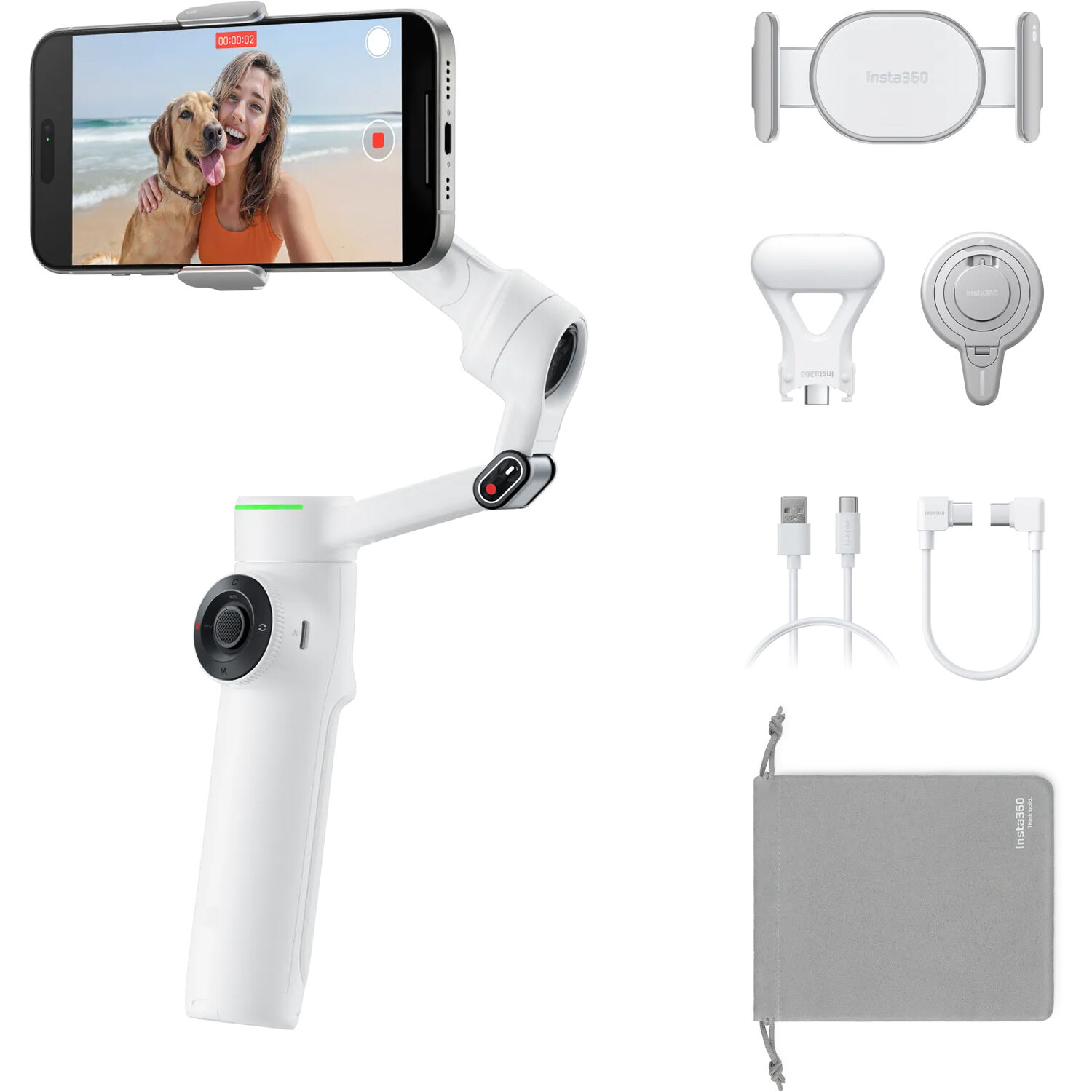
While the hardware works well for turning a phone into a vlog camera, one buyer has reported a one-star service experience due to a damaged frame and a stolen accessory.
A buyer has titled a one-star review "Damaged Device, Stolen Accessory, and Misleading Integration" to demonstrate that service risks are real even when the hardware functions well. Owners have noticed the difference as soon as they clip a phone in, and the steady footage is the whole point.
The Feature Pack: Hohem iSteady M7
The Hohem iSteady M7 is honestly one of the best gimbal tools you can find today, especially when you consider how much money it costs compared to higher-end gear. Many people, who owned the older M6 for a long time, decided to upgrade to this new version because they wanted to film better.
One owner who upgraded from the M6 has summed it up in one word, wow, and the magnetic remote with a screen is the feature that earned it: frame from ten feet away, mirror the phone's view, keep the phone untouched. This tool keeps your footage steady, while you move through a crowd or film a fast event.
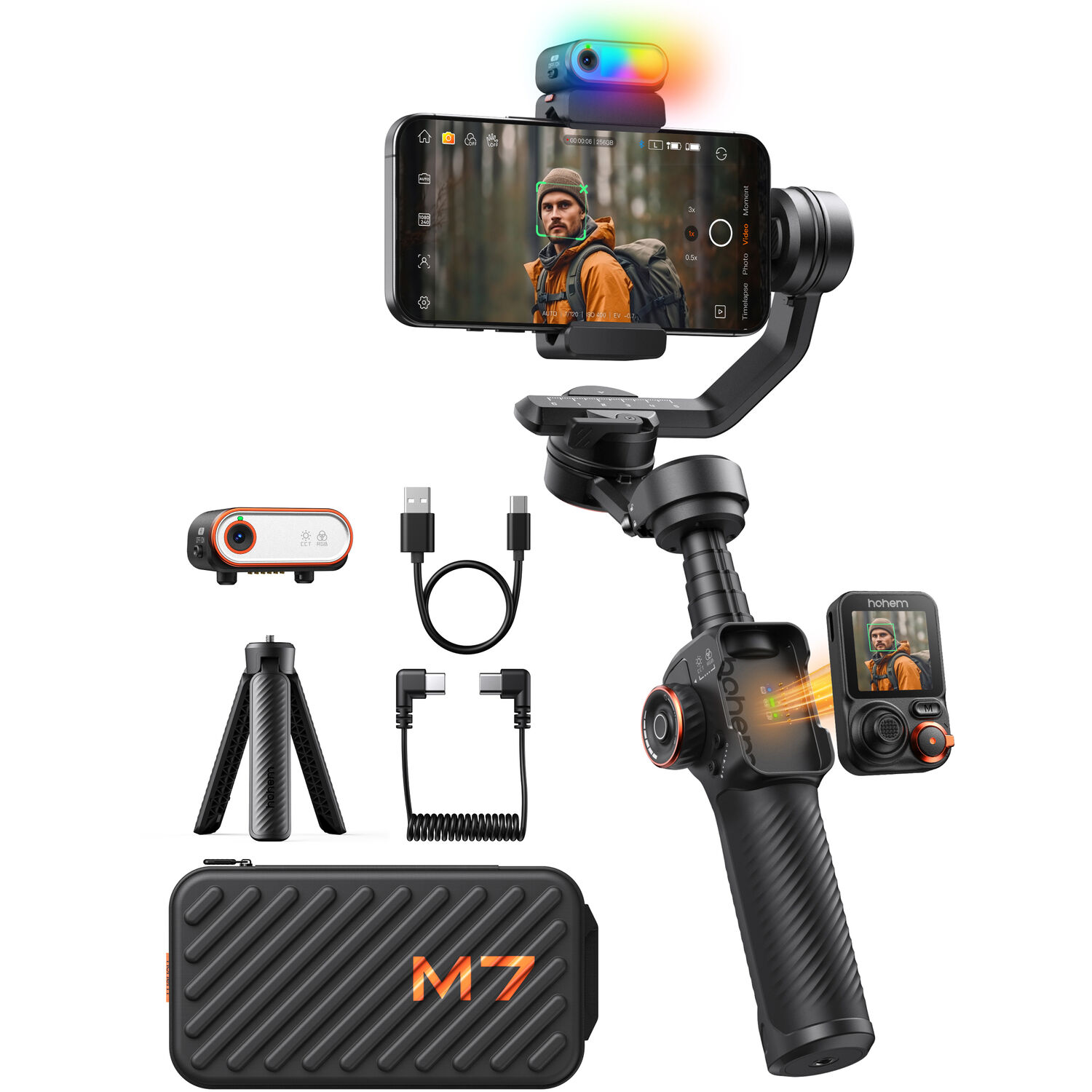
One long-term owner has called the Hohem iSteady M7 one of the best gimbals they've come across, especially for the money.
The upgrader has found that the M7 addresses the M6's gaps, and the fill light plus the remote is what frees you to move. You'll find that the design works well in your hands, even when you are out filming for a long day. Look at the m7 image to see how compact the setup looks when you have everything tucked away.
The Value Pick and the New Release
To save money without losing quality, the Osmo Mobile 6 is a solid value pick, because it works well for most people who need a steady camera.
The Zhiyun Smooth Q5 Ultra costs even less, but one reviewer says the app is totally trashy. You might also find the motors aren't powerful enough for heavy phones like the Galaxy S21 Ultra. One owner with an iPhone 13 Pro Max, a case and a Kase or Moment lens has found the load probably gets near the 300g limit.
The Q5 Ultra is the risky pick. Near the limit isn't a spec to aim for, it's a warning.
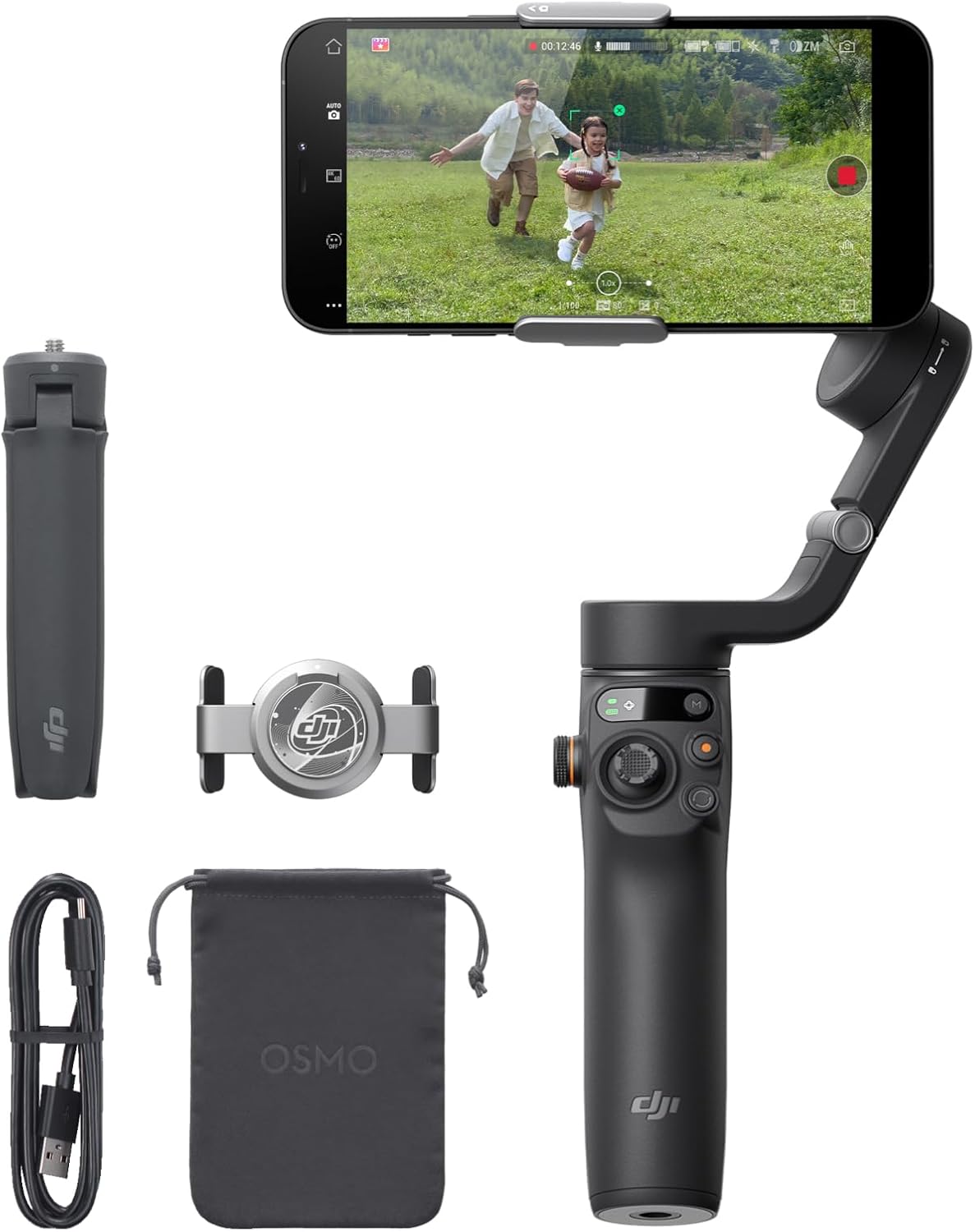
The Osmo Mobile 8 is the newest release here, and one owner already shot ten videos within the first couple of weeks after getting it all set up properly. You'll need to remove the phone case to get it to fit between the two jaws.
The owner who shot those first videos has found the microphone really cuts out background noise, and a Spanish-speaking creator has called it very useful and perfect for social media content. Another owner has to remove their phone case to fit it between the jaws. Even though it can be hard to master, the setup stays simple enough for most new users.
Frequently Asked Questions
How much weight can the gimbal hold?
The Zhiyun Smooth Q5 Ultra has a limit of 300 grams which might be an issue for heavy phones like the Galaxy S21 Ultra. Some users have found that the motor isn't powerful enough to support larger phones during active use.
Is the companion app easy to use?
While some buyers find the Zhiyun app to be trashy and confusing, the Insta360 Flow 2 Pro offers very intuitive controls for content creators. A good software experience determines how much you'll enjoy using the hardware for daily vlogging.
Is the tracking actually good?
The Insta360 Flow 2 Pro provides smooth tracking that sticks with you without the jumpy movements seen on much cheaper models available today. Facial tracking on the Zhiyun hardware works well but occasionally fails during complex movement sequences.
Do I need a gimbal if my phone has stabilization?
Using a gimbal helps you achieve a professional and smooth look that built-in phone stabilization simply can't match right now. These tools prevent shakes that occur when you're running or moving quickly while filming.
Do any of these come with a remote?
The Hohem iSteady M7 includes a magnetic remote with a screen to help you manage your shots from a distance. This feature means you won't have to touch the phone itself to start recording.
The remote question splits the field: the M7 ships the magnetic screen remote, the Flow 2 Pro pairs with the Apple Find-Me ecosystem, and the Osmo line relies on the phone-side app. With the M7, you don't have to touch the phone itself to start recording.
The gimbal field guide covers the camera-side rigs, the gimbal-light pairing covers the fill-light tier, the Zhiyun-adjacent smooth-gimbal page is the auto-balance tier, and the everyday-tier comparison applies to the buy-once math, and No Film School's smartphone-gear guides frame the workflow, and PetaPixel's gimbal coverage reads the same stabilization from the photo side. Check B&H's gimbal stock for the bundles.