
Rhino ROV Pro Traveler 16 Motorized Slider Review
A small motorized slider can add movement to a shot that would otherwise sit still, and the backpack-sized ones go places a long track never will: hiking trails, tight rooms and travel shoots.
Small sliders carry their own risks, though. Many depend on an app to do anything clever, and when that app stops working on new phones the slider becomes a short track you push by hand. Wind, weight and build quality also matter more on a slider this light.
Below is what the ROV Pro gets right, the app risk, and the comparison set from phone-sized sliders to the price floor.
The Rhino ROV Pro is the backpackable pick with an app-risk asterisk, the iFootage Shark Pico is the phone-tier winner, and the GVM 27-inch is the price-floor check. Owners have found the ROV Pro sturdy, easy to carry and quick to set up, and the app is the caveat.
What the ROV Pro Gets Right
You find that this slider is incredibly sturdy and easy to carry around when you need to move between locations, which makes it a great choice for busy shoot days.
One working photographer has had good results on many jobs with a G85, and has found it sturdy, easy to carry and quick to set up and operate. The build feels solid, even when you're pushing the hardware to its daily limits.
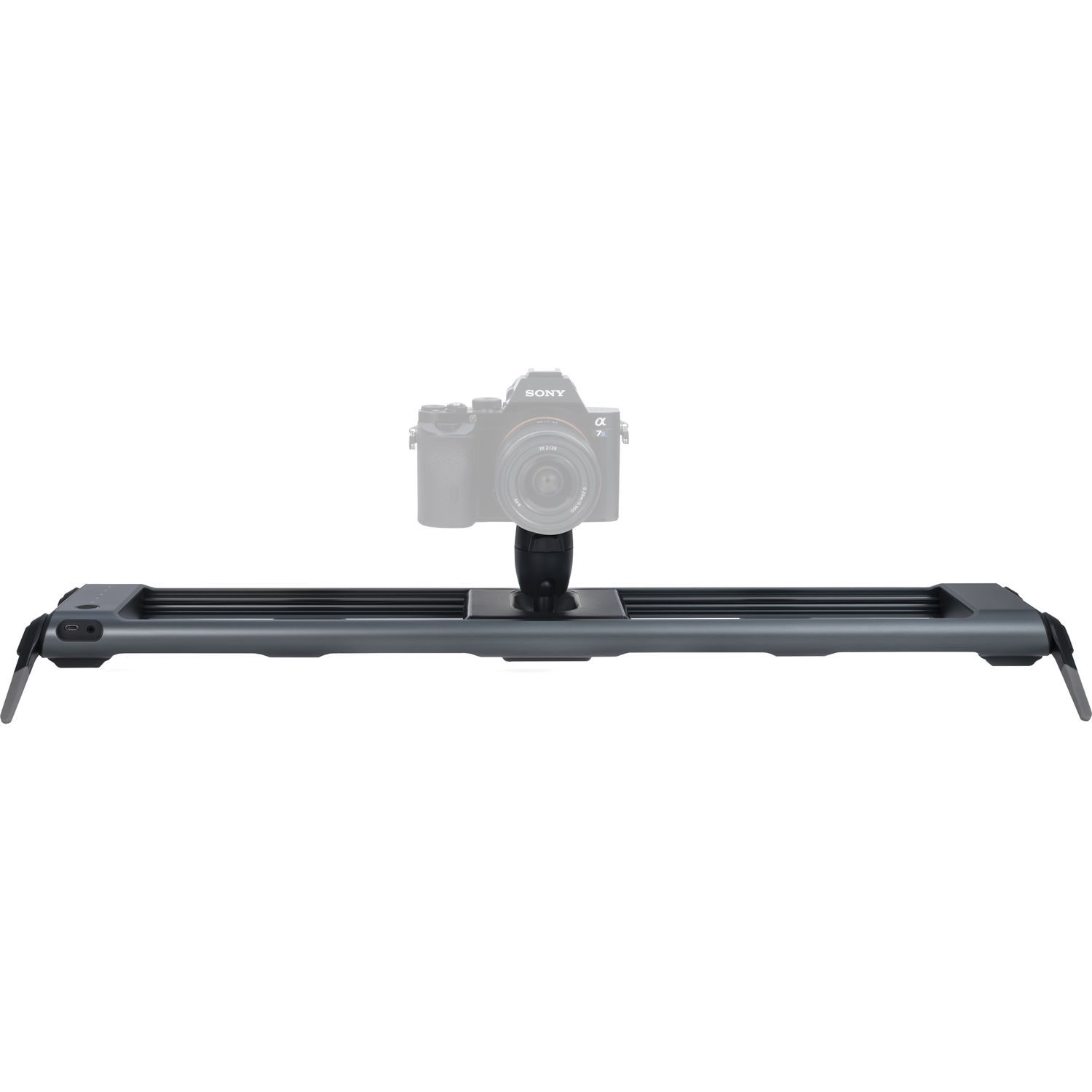
An owner likes that it packs easily into a backpack but dislikes that the slider moves on its own when shooting in wind. Another owner has called it a really great basic powered slider and app, worth it on sale, with a battery that lasts forever.
One Pico owner now has four of them and uses them with action cameras and phones, and that's the size-class fork: the Pico owns phones and action cams, the ROV Pro owns the G85 class. The heavier-camera case is the reason the two tiers exist.
The App Risk
One owner has told others to avoid it like the plague, because the app didn't work properly on their brand-new iPhone 12 Pro Max.
One critical reviewer has found the app old and impossible to install on new devices. One more returned it over motor noise and a head that felt like cheap plastic.
A buyer who loves the slider received it without a charger, and the seller told them to contact Amazon instead
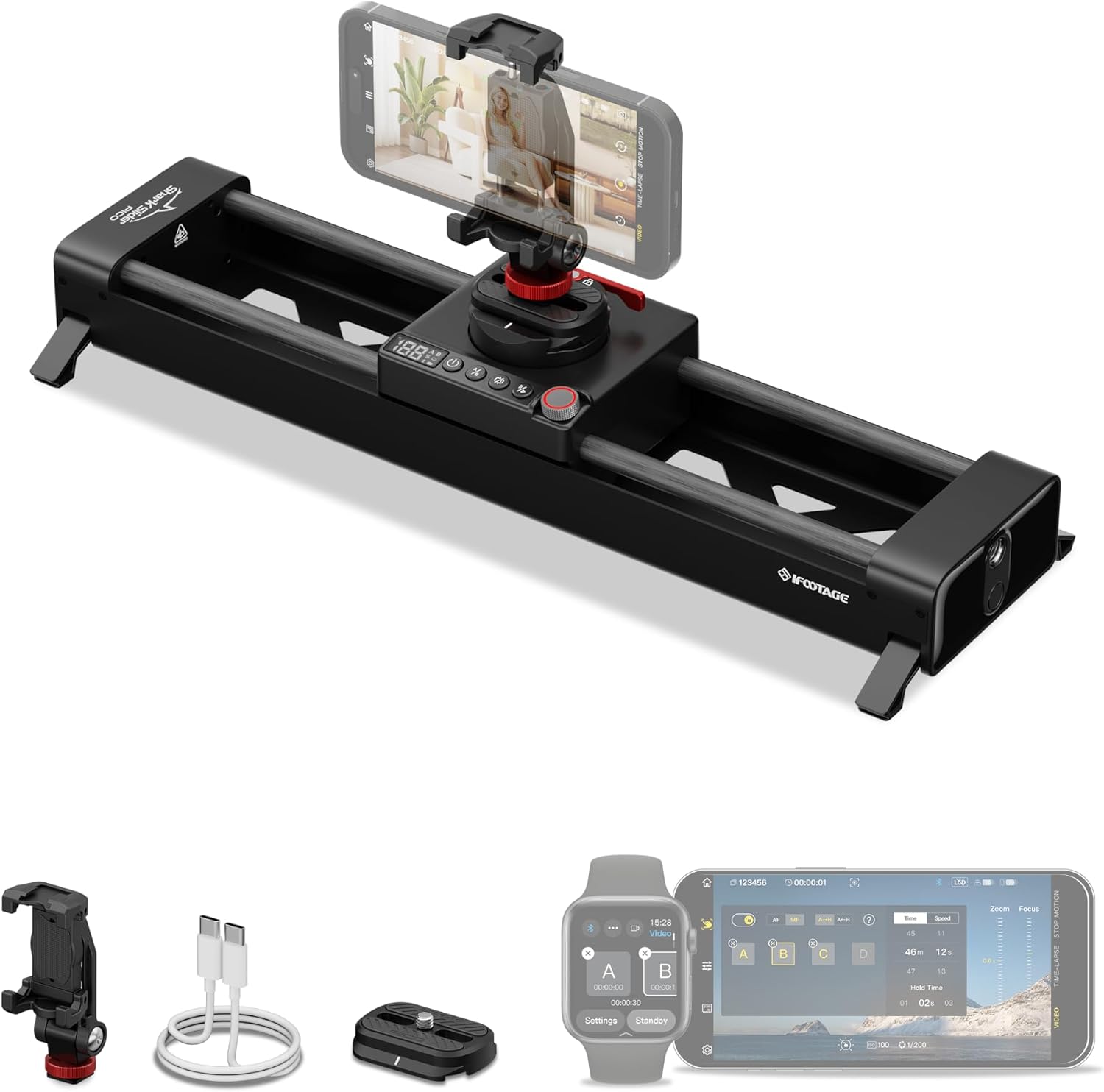
The Pico is the app-done-right contrast, and one owner has found it great out of the box and even better paired with its app. The ROV Pro's bet is on older software, and a slider whose app won't connect is a paperweight with rails.
The Comparison Set
The iFootage Shark Pico rates 4.8 across 11 owners. One owner has pointed out that it's tiny compared with a conventional slider, and that's the point for phones and action cameras. Another has found the motorized movement quiet and precise, with smooth pans for compact setups, and one more has recommended it to anyone shooting with an iPhone or a small tablet.
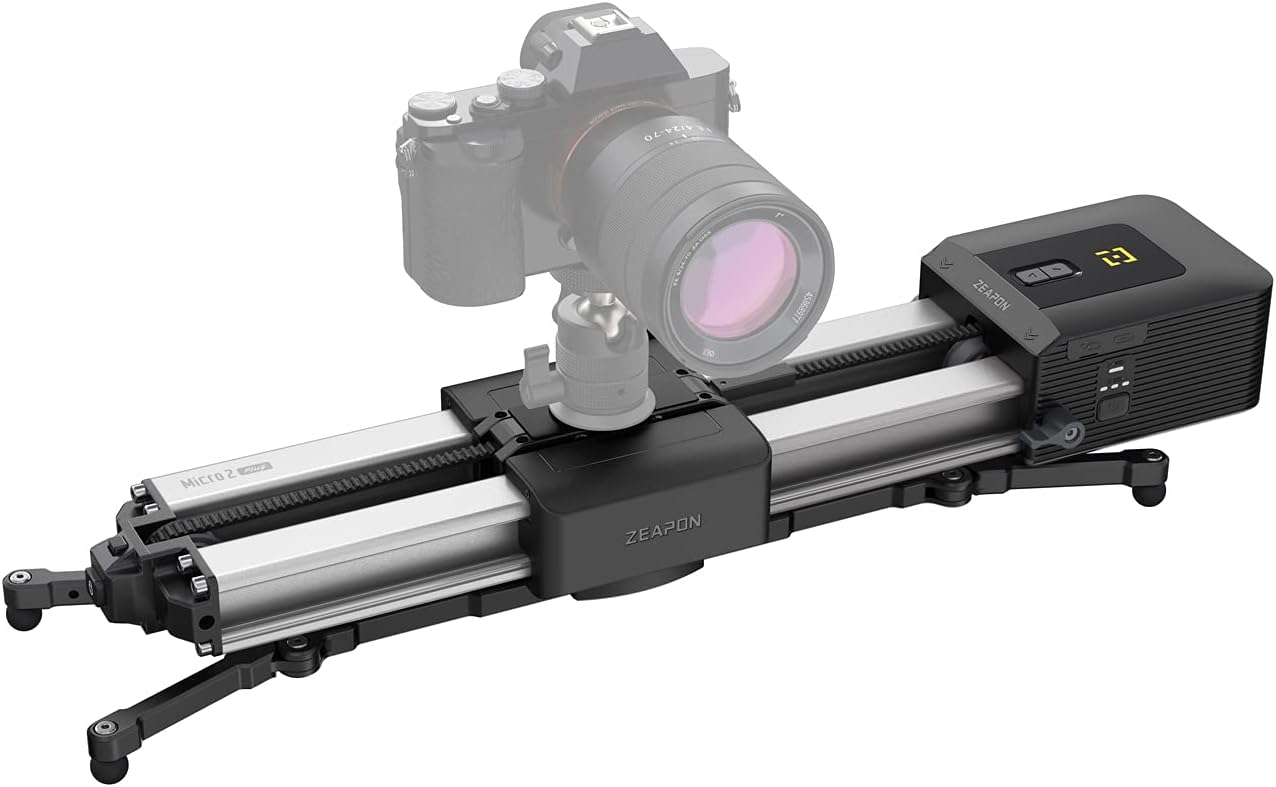
The Zeapon Micro 2 Plus rates 3.8 across 14 owners, and it's the pick for heavier bodies. One owner was blown away by how well it's made, with high-grade parts and a buttery-smooth move, and another has found it handles a very heavy full-frame camera.
A 3-star Zeapon owner has found the build decent and the app great, but the weight distribution makes it bump as it slides. Another owner's first unit didn't work, and the one from a different seller worked with no issues, so the seller matters.
One Zeapon owner has started using it on corporate shoots as a moving B-cam and has found the build excellent, solid and extremely smooth.
The GVM 27-inch rates 4.2 across 212 owners, the deepest sample in the set, and it's the price-floor check. One owner bought it as an entry into sliders for video work, knowing better ones exist. One reviewer has called it the cheapest motorized slider they've found, sturdy and light, though the remote is cheap plastic.
One GVM owner's controller died after only three uses, and customer service asked for the order number and photos.
An owner has used it with a Nikon Z7 II and a 14-30mm lens with no issues going up and down, though the stop points have to be set every time
The buyer has said it blows the competition away, with far more features than rivals at much higher prices
Frequently Asked Questions
Does the slider app work with modern phones?
Some users report the app is old and won't work on newer devices like the iPhone 12 Pro Max, which causes frustrating rotation errors. Other buyers find the software easy to use for basic powered movements and simple tasks. It's important to check if your specific hardware is compatible before you spend money.
How loud is the motorized slider?
The owner has mentioned issues with noise during operation and noted that the included head felt like cheap plastic rather than high-grade material
What weight can the slider carry?
It handles a G85 with various lenses well, though some users worry about it moving on its own during windy conditions outside. The sturdy build is enough for typical professional camera setups on set.
How long does the battery last?
Many people say the battery lasts forever during use, but there is no charger included in the box when you buy it. You might need to contact the seller regarding missing accessories or charging issues.
Can I return this if it's broken?
The buyer returned the gear because it arrived in a damaged box with dust and a dead battery right upon arrival
The return question has the set's hardest answer: one buyer received a damaged, dusty box with a dead battery that looked like it had been returned many times, which is the argument for buying new from the maker.
The motorized slider field holds the carbon-tier answer, the GVM 48 review is the big-rail tier, and No Film School's slider guides frame the moves. Check B&H's slider stock for the tiers. The size-class math is the closing thought: phone-and-action-cam money buys the Pico tier, the G85-and-lens class buys the ROV Pro or the Zeapon, and the price floor is the GVM with the controller lottery attached.
The ER1 tier is the 120cm step up, the carbon slider page is the carbon build, and PetaPixel's slider coverage reads the same rails from the photo side.