
Filmcity Power DSLR Camera Cage Review: The Budget Cage Field
A camera cage turns a small camera into something you can build on: a handle on top, a monitor on the side, rods for a follow focus, and a solid grip for long days. At the budget end, the choice is mostly about material, weight and whether the mounting plate actually holds your camera tight.
Cheap cages can surprise you in both directions. Some feel tougher than the price suggests, others need their threads cleaned out before you can use them, and the heavy ones make you think twice about taking them anywhere.
Below is what the Filmcity gets right, the plate caveat, and the comparison set of cheaper and lighter cages.
The Filmcity Power cage is a heavy plastic budget option that feels tough but suffers from a keyway plate tightening issue, while the Camvate 1897 remains the cheaper pick with few reviews. If you need something specifically for quick run-and-gun shoots, the Neewer CA016T is the better choice for your setup.
The Filmcity is the pick if you want a sturdy frame and can live with the weight - and the keyway caveat is the one check before the buy.
What the Filmcity Cage Gets Right
This heavy duty cage is pretty awesome for the price, because it feels like a solid build that won't break when you're pushing it during a long film shoot. One owner has found that, although it's plastic, it's definitely not cheaply made and very tough, and another has said you can't beat it at the price.
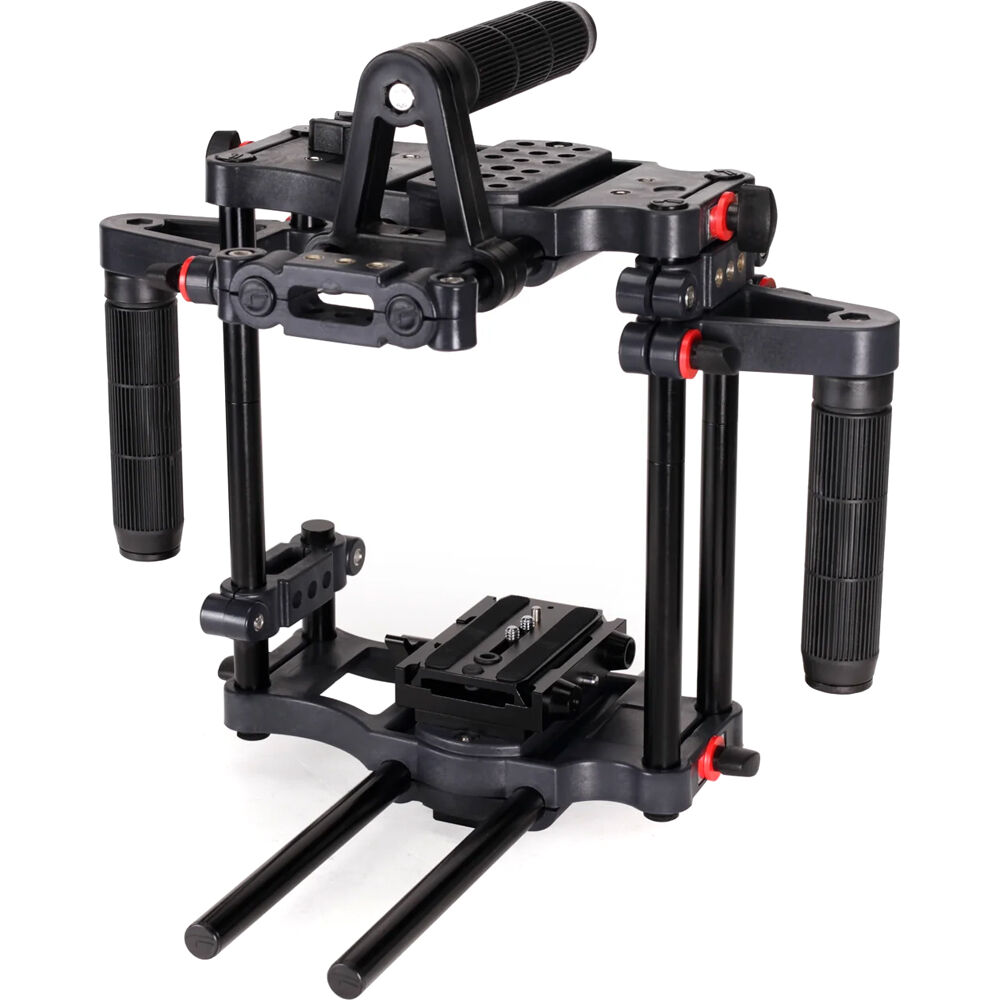
One owner has found the grip very sturdy and well made despite the plastic parts, which are a solid material. Another has called the quality unbelievable for the price and is glad they didn't listen to the negative reviews.
It matters because plastic cages live or die on this exact question: the Filmcity's answer is that the material flexes less than the price suggests, and the mount points do not strip under a normal build. The cage carries a monitor, a mic, and a light without complaint per the same owner's rotation.
The mobile cage tier covers the phone-side rigs, the wooden camera director's cage is the premium wood-tier reference, the SmallRig universal cage is the phone bracket, and the Zacuto tier is the machined ceiling. No Film School's rig guides frame the build from the production side, and PetaPixel's cage coverage reads the same rigs from the photo side.
Because this cage is so heavy, it might make you think twice before taking it anywhere, but that weight shows just how much material went into making it. One owner has called it a heavy-duty cage and doesn't see how you could do much better. Another has found it so heavy that you'll think twice before taking it anywhere.
The Keyway Caveat
When you mount your camera to this rig, you'll find that you can't tighten the plate properly, because the keyway blocks the screw that you need to turn. This design flaw makes it hard to lock your gear down tight, when you're out for a fast shoot.
That's the one issue one unhappy buyer has had, and another owner has pointed out that there's no user manual in the box, though there's one in the listing description, so read the page, not the box. Check the plate design against your camera before the buy, because the keyway does not negotiate.
This plastic cage is so heavy that it will make you think twice, before you decide to carry it along for a very long day of filming work. Even though the build feels tough and solid, the weight adds a lot of strain to your neck and arms.
One owner who was moving missed the return window and has regretted it, which is the answer to the too-heavy question: the return clock runs while you decide. Run-and-gun buyers should look at the Neewer tier instead - lighter, cheaper, and built around the same mounting points the Filmcity offers.
The Comparison Set
One Camvate buyer took a chance because it had no reviews yet and the price was a lot lower, and an owner has had to clean out most of the threaded holes before use.
One GH5 owner with a battery grip has had to add a longer rod to fit the larger camera, so it won't work for every setup. The Camvate's basic design looks functional for someone working on a tight budget.
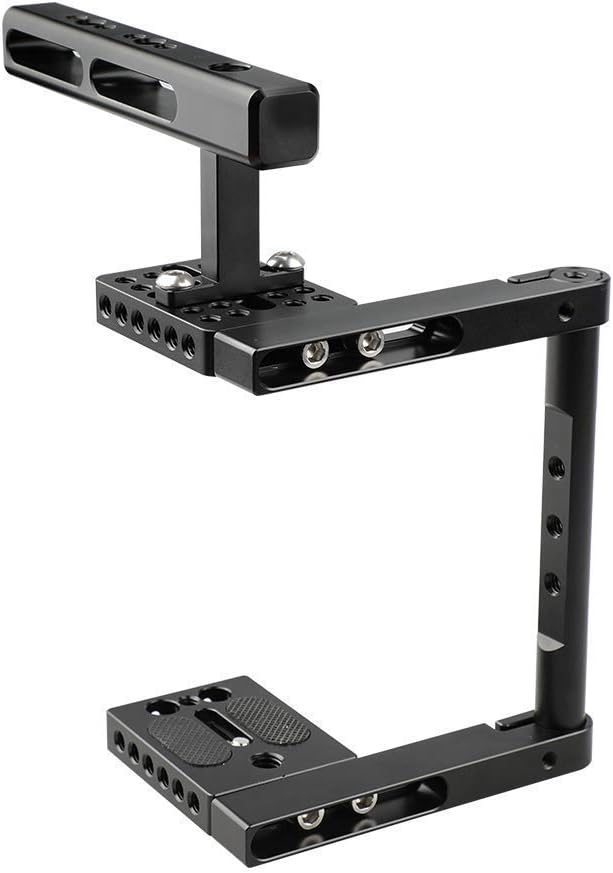
The buyer has called the SmallRig baseplate pretty much perfect, a little bulkier than the photos suggest but with an excellent fit
Another moved to it after cheaper plates and has found it machined correctly, and a third has called it a must for keeping everything aligned and secure. Owners of the Neewer CA016T have found it a lot cheaper than other cages while still solid, with plenty of mounting options, easy to fit on a Sony ZV-1F, and key for run-and-gun video.
Frequently Asked Questions
Is the cage plastic or aluminum?
While the Filmcity cage uses heavy plastic, the material feels tougher than some metal alternatives you might consider you might consider for your setup. Other options like the Neewer cage feel solid while costing much less money than standard frames.
How long should the rods be?
You should select a longer length for your carbon rods if you aren't sure whether your gear will fit on the rig properly during use. A camera with a battery grip often requires extra space to keep everything aligned and secure.
Is a cage better than a baseplate?
A cage provides multiple mounting points for your gear while a baseplate like the SmallRig version focuses on keeping everything perfectly aligned and secure. These machined parts fit perfectly with your existing rods and specific camera configuration.
Will it work with a battery grip?
Using a battery grip on your camera often means you'll need longer rods to accommodate the extra size of the power source during filming. Without that extra length, the setup might wobble or fail to fit correctly for you.
How heavy is the Filmcity cage?
The Filmcity cage is very heavy, which might make you think twice before you decide to carry it on a long production shoot. Lighter options like the Neewer version are better for quick run and gun videography tasks today.
On weight, one user has found it heavy enough to think twice before taking it anywhere, and the Neewer CA016T is the lighter run-and-gun answer. The camera cage tier covers the aluminum field, the 15mm rod support page covers the rod math, and No Film School's rig guides frame the build
Check B&H's cage stock for the tiers. The budget-cage math is the closing thought: plastic holds the rig if the plate fits, the keyway is the one check, and the Neewer CA016T is the lighter alternative for the run-and-gun days.
The rods are the other half of the build, and one SmallRig rod owner's advice is to go longer if you're not sure, while the baseplate is the alignment piece the cage sits on. Pick by the build you run - monitors and rods per side, or one camera and a light - and the tier answers itself.