
Best Video Tripod Under 500: Manfrotto 055, SIRUI, SmallRig
A good video tripod is one of the few pieces of gear that can outlast every camera you put on it, which is why it's worth getting right. At this budget, you can buy something that holds a real rig steady for years, or something that looks similar and fights you on every pan.
The usual choice at this level is between buying legs and a head separately or buying a kit. Separate pieces let you match the head to your camera and upgrade later, a kit is lighter on the wallet and quicker to set up, and travel tripods add carbon fiber to the mix.
Below are a legs-and-head pair, a carbon travel pick and a value bowl kit, with what owners have found after real use.
The Manfrotto 055 legs plus 502 head is the buy-in-two-pieces pair, the SIRUI ST-124 is the carbon travel pick, and the SmallRig AD-80 is the tall bowl-kit value. Plenty of owners have upgraded from a tripod they thought was good enough, and that upgrade story runs through the whole field.
The Legs: Manfrotto 055
One product photographer thought their old tripod was pretty good until they found the Manfrotto MT055XPRO3.
Another moved up from a Dolica Proline that was too small for the large zoom lenses they use for birds, and a third searched for about a year for a strong, tall, well-built tripod before trusting the Manfrotto name. You'll see how it changes when you mount a heavy rig, because the frame stays solid.
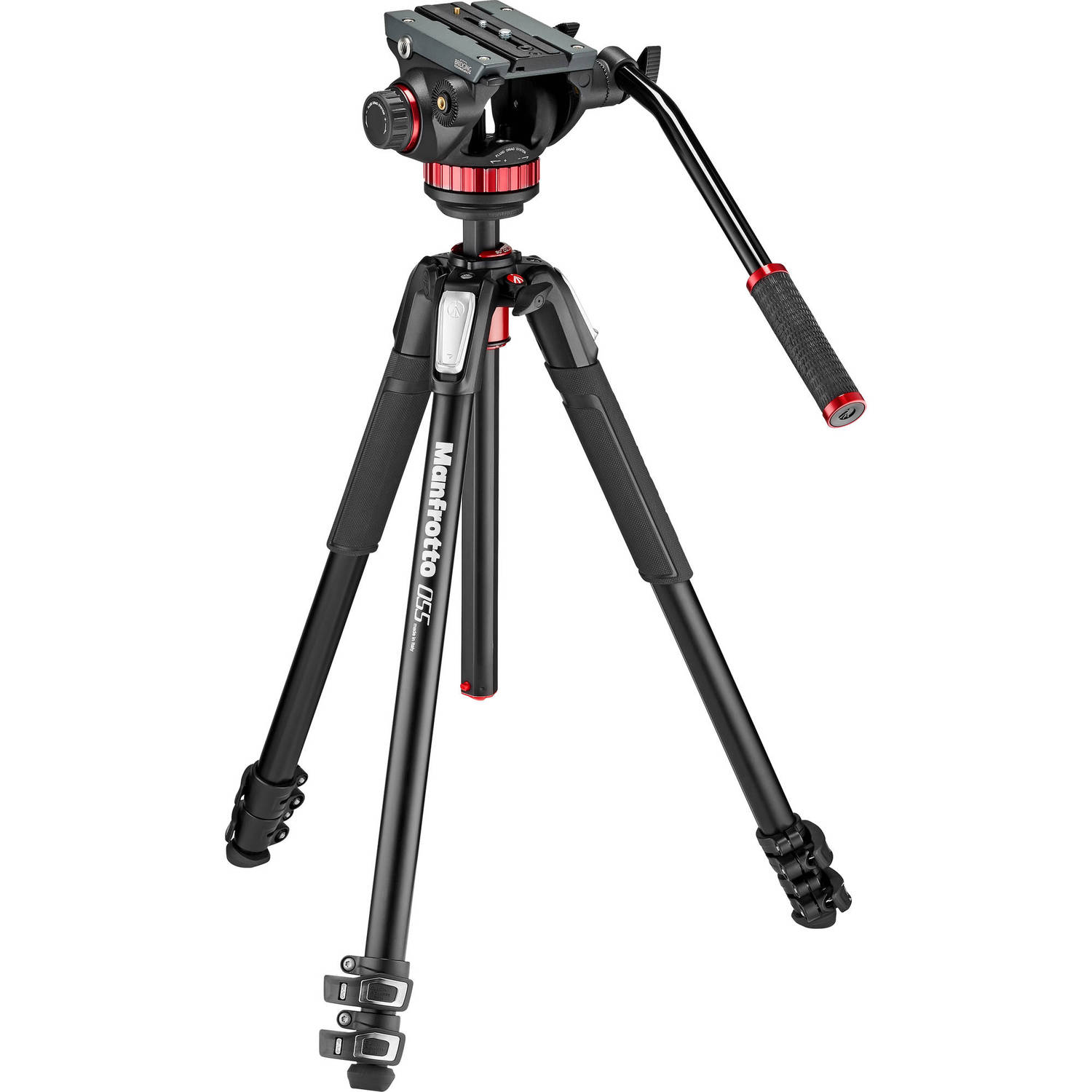
One owner needed a heavy-duty tripod for an 18-pound camera, lens and gimbal combination, and one reviewer has called it their first truly serious tripod after a string of cheap ones.
When you pair the 502 head with these legs, the bubble level is no longer viewable because the head is so large it blocks the entire camera view.
The head is hefty, but stays smooth when you film birds or moving objects in nature. You can adjust how hard it turns for pan and tilt, so the movements feel natural and fluid. This pair is a solid choice for amateurs, who want a tool that lasts years.
The Head: Manfrotto 502
While some users complain that this fluid head feels clunky instead of smooth, a nature-focused photographer found it stays incredibly smooth while filming birds and capturing natural surroundings out in the field. One owner has described the 502 as a midrange fluid head for serious amateur and semi-pro video, with a flat base and a 3/8-inch thread that fits standard tripods.
One owner who uses it with a Panasonic HMC150 cinema camera and a Canon 7D has summed it up in one word: wow. Another has found it hefty and huge, and it comes in an even bigger box.
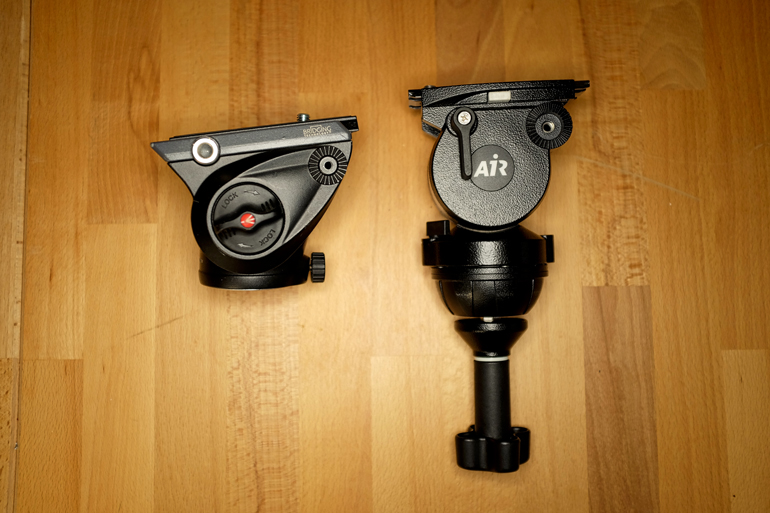
The owner has warned to be careful who you order from, because the first 502 they received from a third-party seller was obviously used and scratched
Another has been extremely pleased, calling it well worth the money for the way you can fine-tune the resistance for both panning and tilting.
The buyer who films airplanes has given it about 4
When you mount this head on your legs, you might notice the bubble leveler is no longer viewable because the body of the head obscures it from your sight. This is a small drawback.
Still, the quality stays well worth the money, for most midrange video work. It keeps the shot steady, for heavy cameras and those very long zoom lenses.
The Carbon Travel Pick: SIRUI ST-124
It's light, sturdy, durable and very well made, and maybe the best tripod they've found at its price, one owner has found.
Hunters have found it great with larger spotting scopes, sturdy and light for its size, though the head is a little bulky to carry.
An owner has found it performs really well after a few trips into the field, though the leg locks aren't as smooth or quick as they'd like
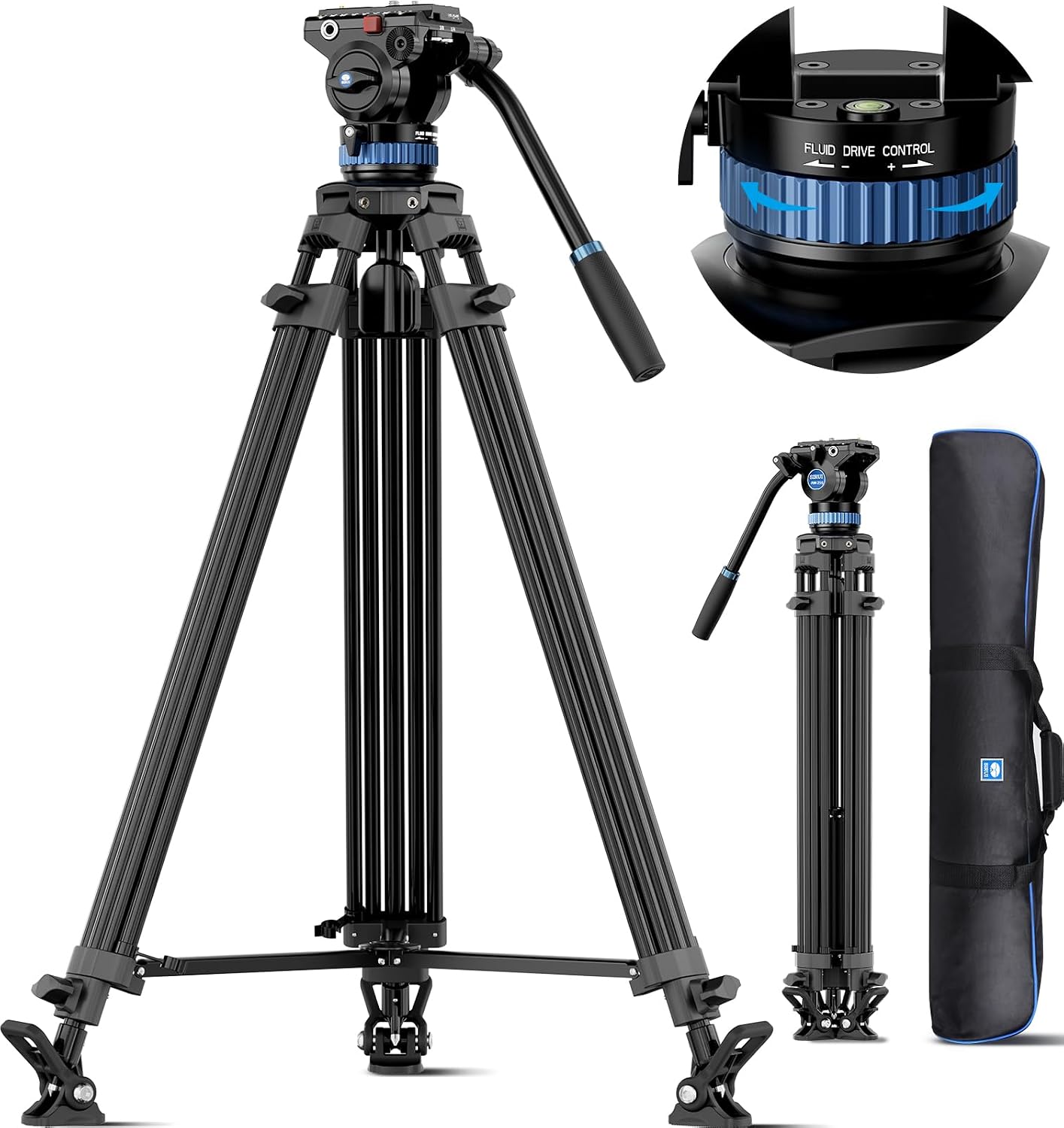
A six-foot owner has been very pleased: it's extremely well built, extends high enough to use standing, packs surprisingly small and has a smooth head for binoculars, a spotting scope or a camera.
Another has found it very light and stable, with smooth panning, and easy to use.
The Value Bowl Kit: SmallRig AD-80
An owner has listed the pros as super cheap, super light, super easy to extend and collapse, and super tall, with excellent SmallRig customer service
A buyer who picked it up on sale has found it very sturdy, with well-made leg latches, and better than the others they've used
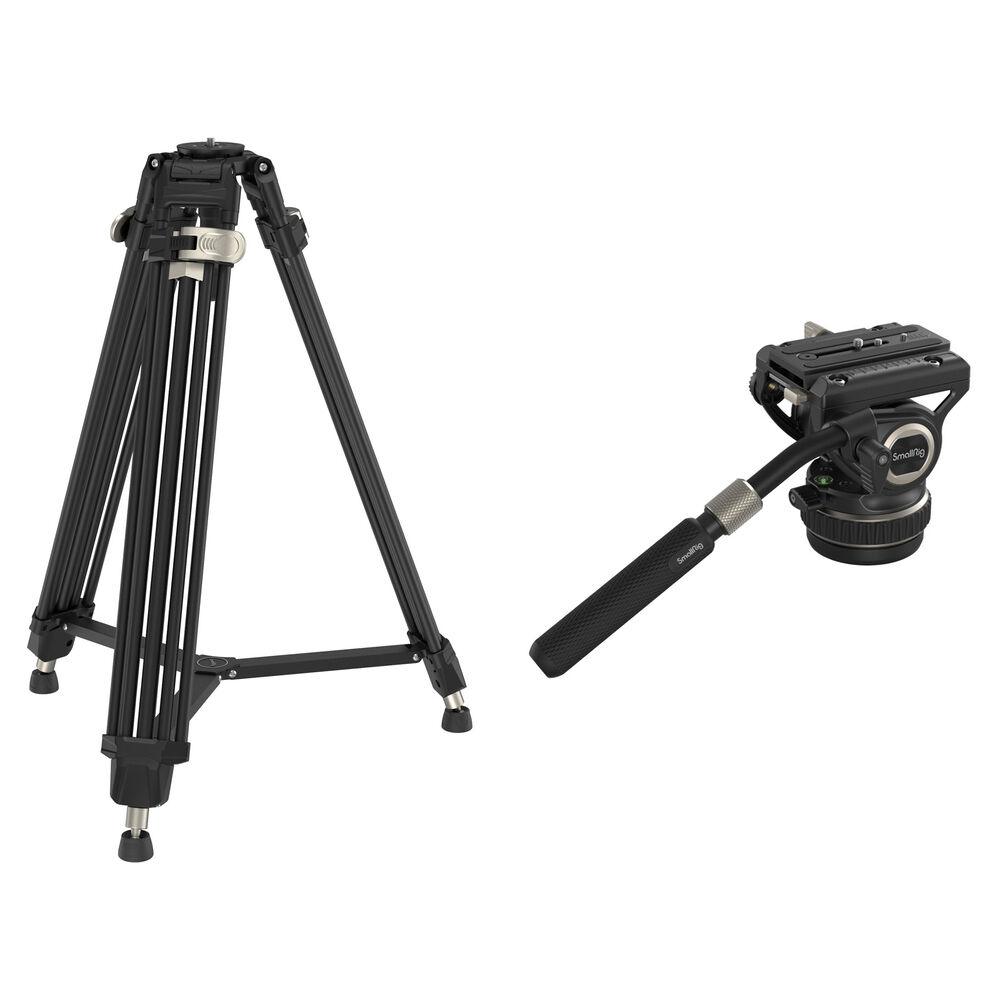
One critical reviewer has called it a great tripod with a poor fluid head, because the counterbalance is too aggressive even at its lowest setting for a full mirrorless rig. An astronomy club member has used it for binoculars on a parallelogram mount at public sky parties, so visitors of different heights can look through them.
An owner has called the AD-80 a great pick for video, extending to 71 inches with a 75mm bowl adapter for flexibility
Frequently Asked Questions
Buy legs and head separately vs kit
Choosing separate components like the Manfrotto legs and head allows you to match specific gear needs better than buying a pre-packaged kit like the SIRUI option. You gain flexibility when mixing a heavy fluid head with a sturdy aluminum base.
How much weight can the tripod support
You need a base that can support your specific rig especially if you are using an eighteen-pound camera with a large lens and a gimbal setup. Sturdy builds keep the camera stable during demanding movements.
Carbon vs aluminum video tripods
Carbon fiber like the SIRUI model offers lighter weight for travel while aluminum legs from Manfrotto might provide a different feel for stationary studio work. Pick the material based on how much you carry your gear every day.
Video tripod counterbalance settings
An aggressive counterbalance system on a kit like the SmallRig model might make it difficult to film a lighter mirrorless camera without fighting the spring tension. Fine-tuning resistance levels helps you keep movements smooth and professional throughout.
Best sellers for the Manfrotto 502 head
Be careful when buying the Manfrotto 502 head because some sellers might ship used or scratched units instead of brand-new equipment. Checking the reputation of the shop before spending mid-range money helps.
The seller question is the Ornem warning's own: 'Be cautious about who you order this head from' - check the seller before the mid-range money moves.
The under-500 math is the closing thought: legs-and-head bought separately is the Manfrotto path, carbon-and-light is the SIRUI path, and the tall-bowl-kit value is the SmallRig path - pick by payload first, weight second, and price last.
The travel tripod page covers the packable side, the Benro kit page is the bowl-kit class, and No Film School's support guides frame the build. Check B&H's video tripod stock for the tiers, and PetaPixel's support coverage reads the same builds from the photo side. The fluid-head pairing is the head-side detail, and the slider rigs are the motion cousin.