
Best Cameras for Travel Video in 2026: Picks From Pocket to Pro
Travel changes what makes a camera good. At home you can carry a bag of lenses and charge everything overnight, but on a trip every gram comes with you all day, outlets are a gamble, and the weather doesn't care about your gear.
That's why there's no single best travel camera. A hiker, a city vlogger, someone who swims and someone who mostly shoots stills all need different things, and the camera that suits one of them will frustrate the others.
The picks below run from a pocket gimbal to a hybrid mirrorless body, with an action cam, a 360 camera and a stills-first option in between, each matched to the trip it suits.
The best travel video camera is the one you actually carry because weight always beats sensor size when you're exploring new cities or hiking through rugged trails all day. My pick: the Pocket 3 for jacket-pocket vlogging, the ZV-E10 II for a real hybrid, the Action 5 Pro for water and abuse, the X5 for reframable everything, and the X-S20 for stills shooters who also want video.
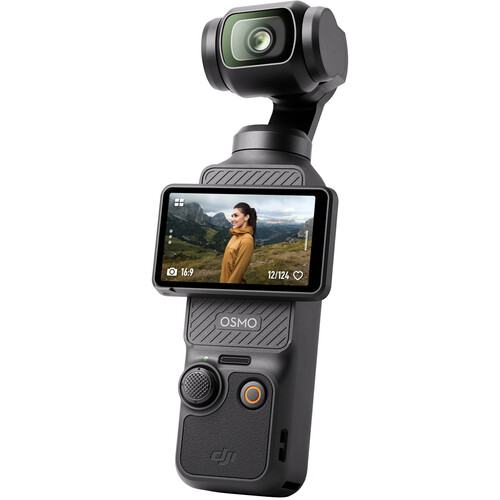
Sony ZV-E10 II: The Hybrid That Actually Travels
The Sony ZV-E10 II offers a 377g body with a 26MP APS-C sensor for travelers who need high-quality video without the weight of a full cinema rig.
You can grab 4K60 footage with just a slight crop or use 1080p at 120fps for slow motion, while the camera avoids that annoying thirty-minute recording limit. A front tally light helps when you self-record, and Real-time Eye AF locks onto humans, animals, or birds. The improved 16-50mm power-zoom kit lens covers most travel framing, and Sony claims about 195 minutes of continuous recording per NP-FZ100 battery.
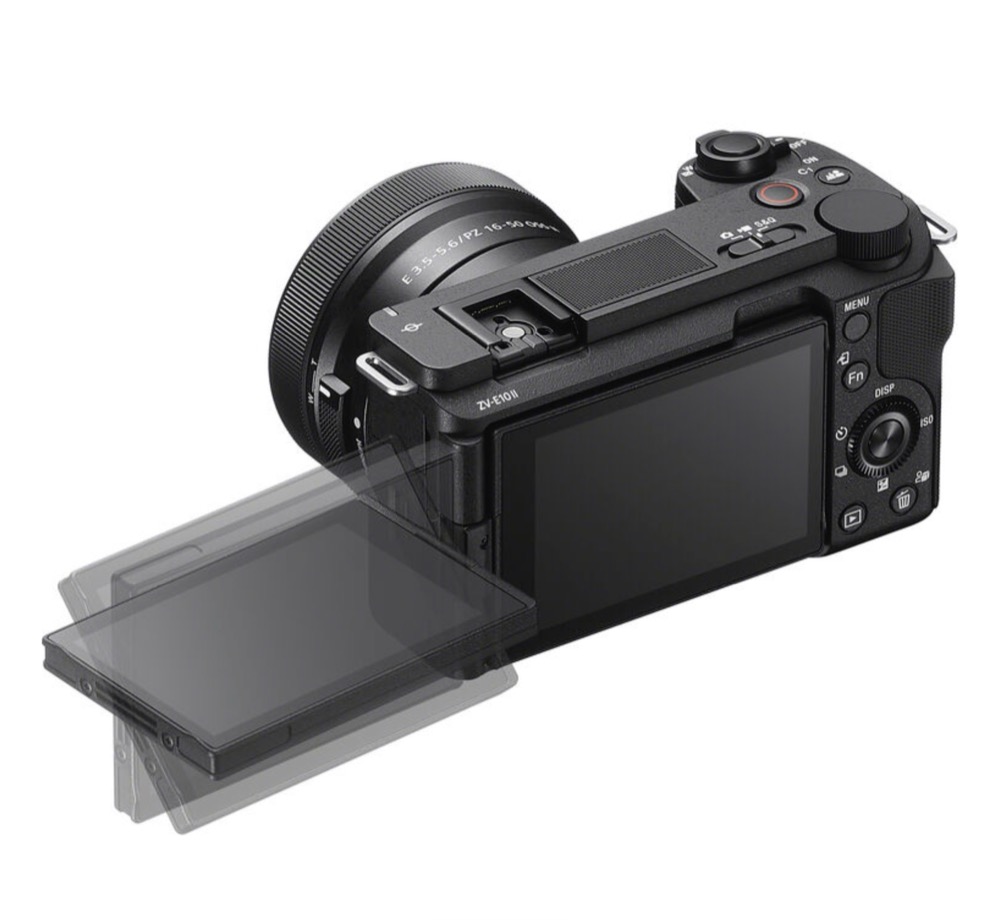
Since this camera lacks internal body stabilization, you have to rely on Active Stabilization to keep the shot steady, though this further crops your frame.
I have noticed that the rolling shutter looks worse during fast pans compared to what I get on the FX30 or a7S III, so you must be careful with quick movements. There is only one UHS-II slot for cards, meaning you can't record to two places at once for safety during a long shoot.
One warning from the current Amazon listing: the bundle config carries a 3.1-star average from just 7 ratings, and owners report incomplete shipments, one camera without the promised lens, another missing the card reader and accessories.
Buy the camera-only config if you can, or check every box item on arrival day. The trade-offs are real: no IBIS means Active Stabilization crops, one card slot means no in-camera backup, and fast pans show rolling shutter. But 377 grams with a 26MP APS-C sensor is a lot of image for the weight.
DJI Osmo Action 5 Pro: For the Wet, Muddy, and Falling
This rugged tool uses a large 1/1.3-inch sensor to grab 4K120 video while dual OLED touchscreens make it easy to check your settings in bright or dark spots. It stays waterproof down to 20 meters without a bulky case, so it remains the top pick for bike mounts and underwater dives where other cameras would fail instantly.
DJI's own specs rate the 1950mAh battery at up to four hours of recording, but treat charging with respect: buyers report heat problems on charge.
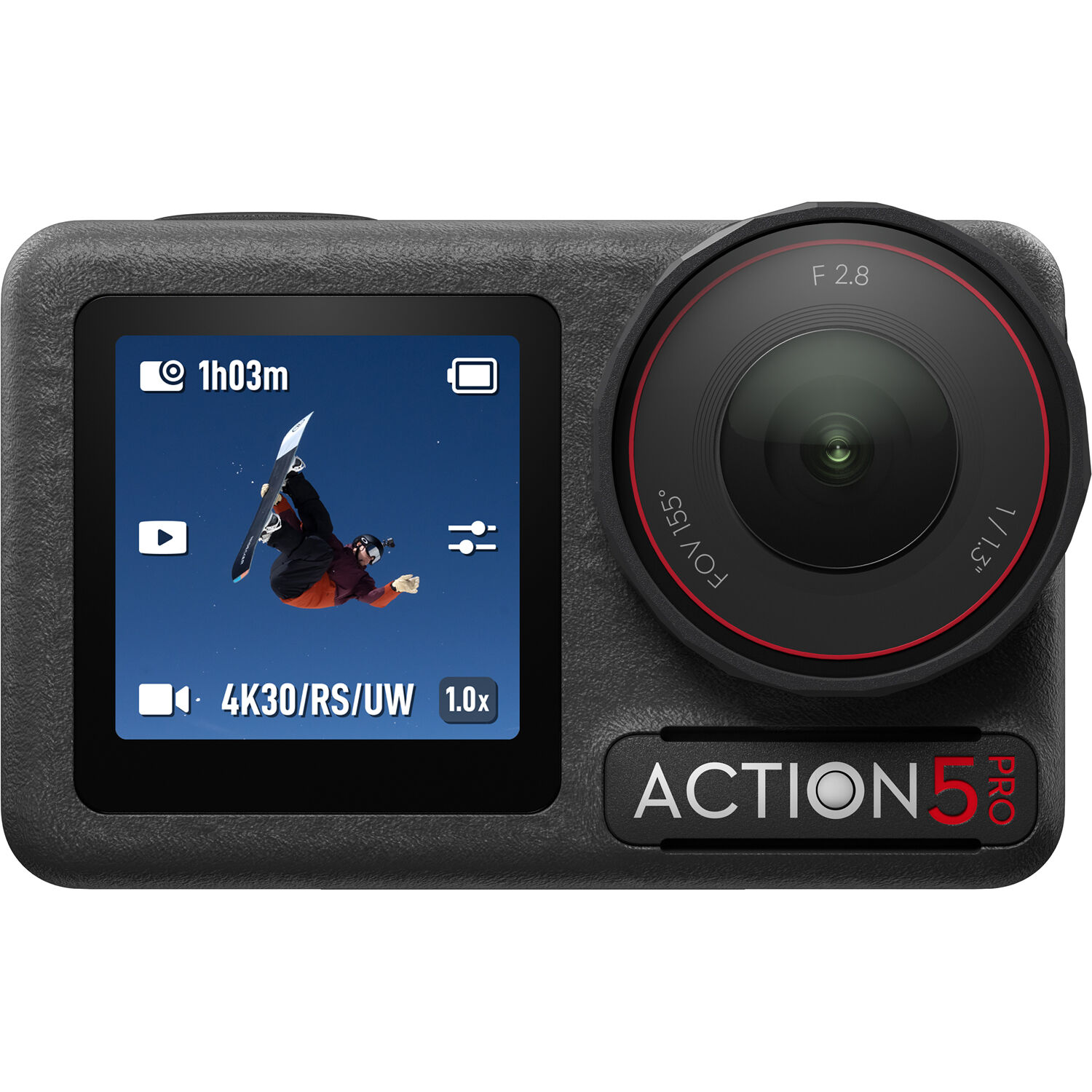
The critical reviews are worth reading before you trust it as your only camera. A buyer of 18 months says the battery overheated while charging and fried the camera, one month out of warranty.
A DJI loyalist who owns several of their drones reports a constant reboot loop. One reviewer says his camera refuses to record to any SD card, always reading Full even after in-camera formatting, and the USB-C port door broke off. Another was told to wait three months for a support response.
HorizonSteady 360 keeps the horizon level no matter how the camera rotates, which you only notice you need once the camera is on a boat or bike. A buyer argues the color never matches a GoPro no matter the settings. For cards that keep up with 4K120, see our SD card guide.
DJI Osmo Pocket 3: The Gimbal You Forget About
The 179g body with a 1-inch sensor shoots 4K120 and carries a rotating touchscreen, and it is small enough that we once lost ours deep inside a travel bag for a few days.
In two months with the original Pocket, including a university hyperlapse shoot, it was the easiest-to-use video camera we've handled. The trick we learned: in AFC the focus hunts for close objects once your hand leaves the frame, so switch to AFS for deliberate scenes. And if you forget the microSD, the Mimo app records to your phone instead.
Outdoors in auto exposure you'll want an ND filter to stop the fast shutter, and replacing a cheap filter beats repairing a gimbal camera.
Our most solid tripod mount for boom or monopod work turned out to be a rubber band. The Creator Combo includes the DJI Mic 2 transmitter, though one reviewer warns the combo-pack mic failed to register sound and recommends buying the mic separately. Battery life is about 116 minutes at 4K60, and the proprietary accessories add up fast.
B&H also stocks DJI's Osmo line if Amazon is out.
The critical reviews cluster around the moving screen and power. One user's screen died at a 45-degree angle after 30 minutes of use over three days. Another with fewer than 10 recorded hours in eight months found it would not start at all.
A third says the rotation mechanism broke on day one and calls it a known issue requiring a DJI repair.
Drops on hard surfaces can kill the gimbal motors. But when you hand the camera to someone who has never operated a camera, leave it in AFC and let the gimbal do the work.
Insta360 X5: For Capturing What You Can't Frame
A 360 camera changes how you shoot: stop framing, start capturing, and reframe when you get home. The X5 uses dual 1/1.28-inch sensors for 8K30 or 5.7K60, with a triple AI chip cleaning up low light. The invisible selfie stick vanishes in the app, InstaFrame outputs a ready-to-share flat video with auto-framing, and FlowState with 360 Horizon Lock keeps the horizon level.
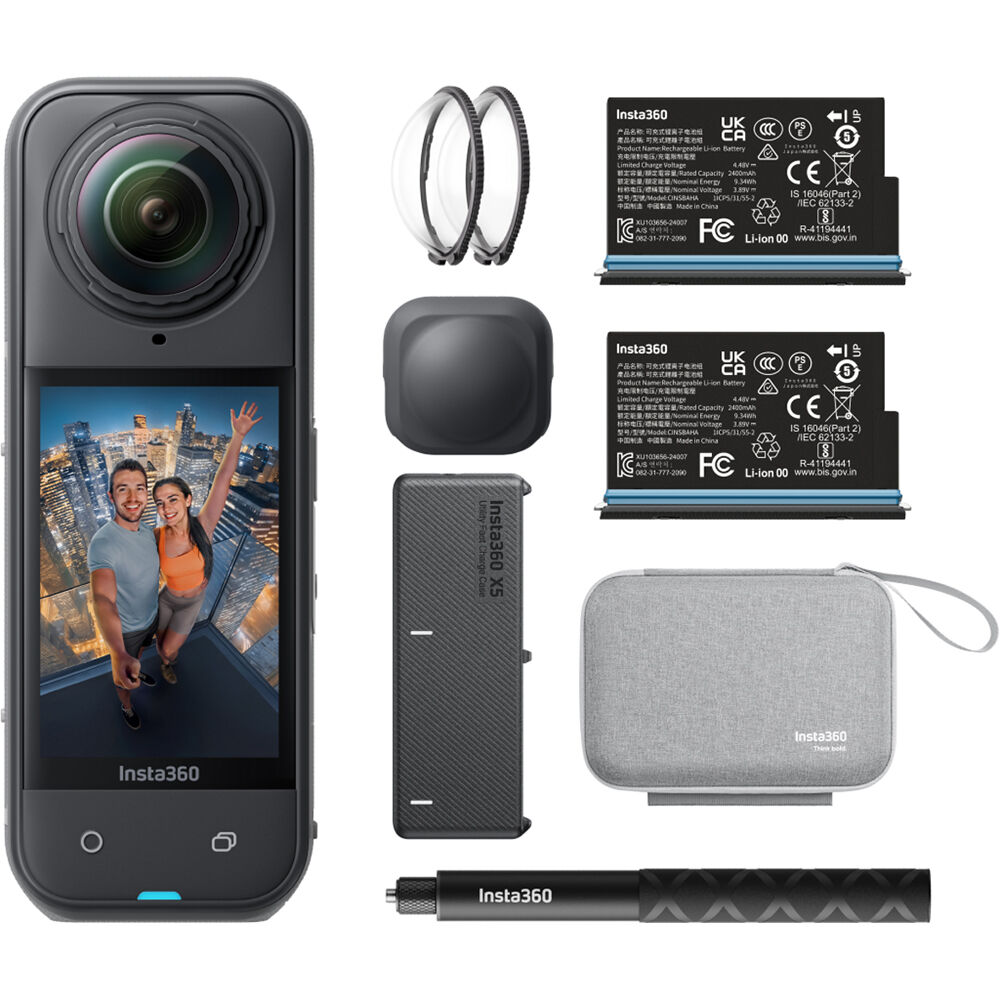
Expect about 88 minutes per battery at 5.7K30, so carry spares and swap on location.
Lens guards are fiddly to fit without trapping dust underneath, and 360 files eat memory cards, most of a 256GB card in a heavy shooting day. This is a movement camera: hiking, biking, scootering through cities. It will not help with interviews, food, or architecture.
The critical reviews matter here. One user has reported smoke coming from the camera unexpectedly and stopped using it for safety.
An owner shot a 100-mile job, found wobble in the stitched footage plus black diagonal lines across the stitch lines in raw files stitched in Insta360's software and PTGui, and says the camera failed to save multiple images, forcing a 100-mile reshoot. Back up the card before you leave a location.
Fujifilm X-S20: The Stills Camera That Travels Like Video
The X-S20 is the pick for stills shooters who refuse to give up real video: a 26.1MP X-Trans sensor, seven stops of in-body stabilization, and 491g with the 16-50mm f/2.8-4.8 WR lens. Seven stops means sharp handheld stills at 1/15 second, which is how you skip the tripod in a crowded city.
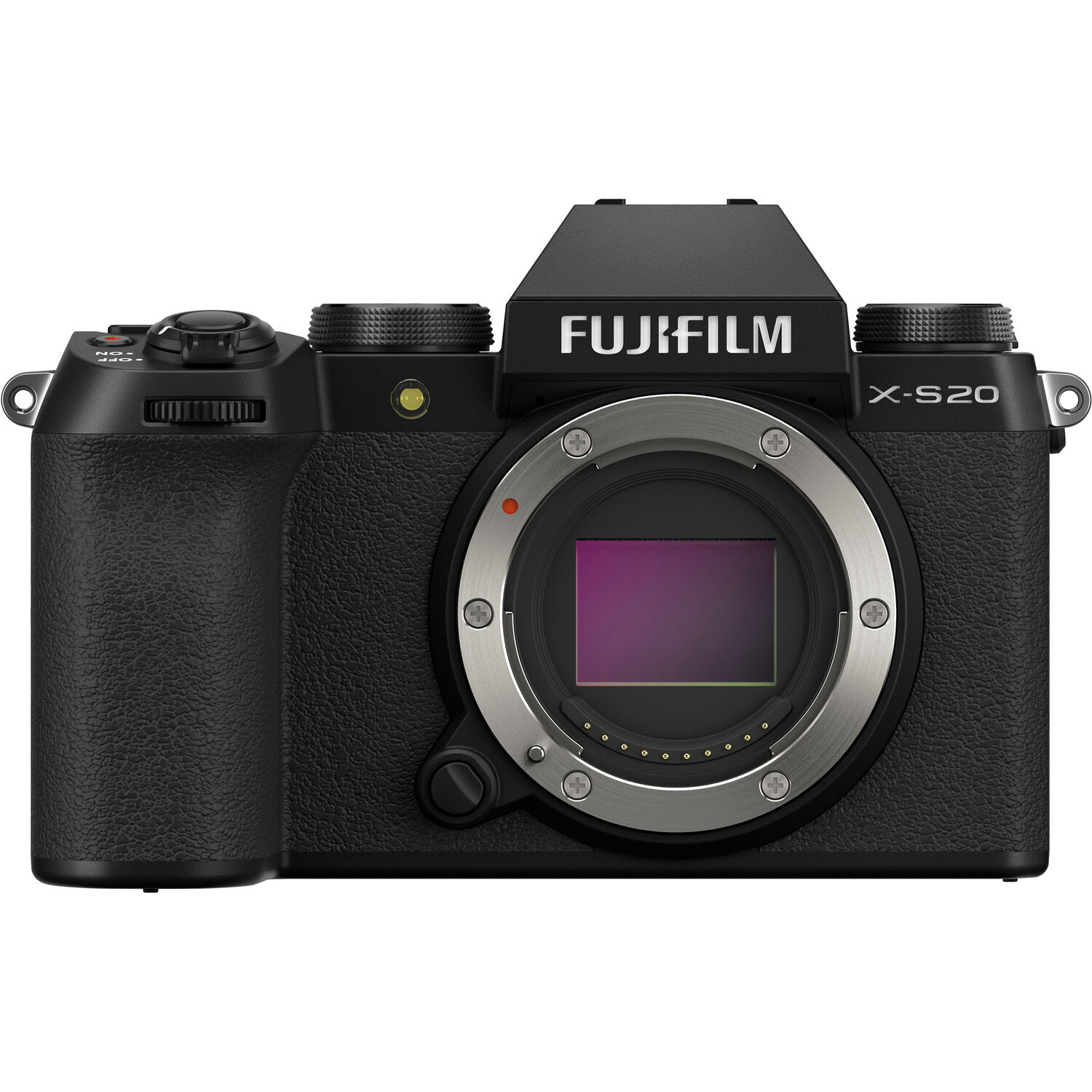
It records 6.2K open gate and 4K60 in 10-bit 4:2:2 internally, with a dedicated Vlog mode. USB-C charging from any standard power bank solves long days. Autofocus trails Sony and Canon on fast-moving subjects even after the improvements since the X-T4, and the card slots are UHS-I only, so no 4K120-class data rates.
Skip it if you are a pure vlogger (the ZV-E10 II is lighter and faster to deploy) or if your trip is water and bikes (that's Action 5 Pro territory). The listing showed only 3 left in stock at research time, with a 4.2-star average from 30 ratings. For travelers who want one body that satisfies stills and video, nothing else on this page does both this well.
Accessories That Matter More Than a New Body
A UV or clear filter on every lens is cheaper than a scratched front element, and on a Pocket-style gimbal cam an ND filter is not optional outdoors in auto: the ND32/PL we recommend kills the fast shutter without color shifts. We also found the cheapest, most solid tripod mount for the original Pocket was a rubber band, and it held better than the dedicated mounts we tried.
Two spare batteries per camera plus one 65W USB-C PD power bank covers every system on this page, since the X-S20 and Pocket 3 both charge over USB-C. Back the cards up nightly to a 2TB portable SSD, and pick cards from our SD card guide. For locked-off interviews at blue hour, our travel video tripod guide covers the light options.
Frequently Asked Questions
What is the best travel video camera under a thousand dollars?
The ZV-E10 II body-plus-kit buys you a large sensor, interchangeable lenses, and 4K60. If your travel video is mostly shot on foot through crowds, the Pocket 3 does more with less.
Do I really need 4K for my travel videos?
For YouTube uploads and personal archives, 1080p at a good bitrate still looks fine. 4K earns its card space when you reframe B-roll in the edit, and the X5's 8K gives you the most reframing room of all.
Should I bring a drone on my trip?
Only if aerials matter to your story. Drones add weight, registration requirements, and country-specific flying rules. If you do bring one, the DJI Mini 4 Pro is the travel-sized choice.
How do I deal with rain while shooting?
Hand the wet shots to the Action 5 Pro, which is waterproof to 20 meters without housing. For mirrorless bodies, a cheap rain cover from Op/Tech or Think Tank keeps water out, and no unsealed body survives serious weather bare.
What is the best small camera that doesn't look like a camera?
The Pocket 3 reads as a phone accessory at a glance, which helps at busy crossings and borders. The Fujifilm X100V reads as a retro film camera rather than a video rig, and that keeps attention off you in markets and streets.
Can I use my phone instead of a dedicated travel camera?
For casual vlogs, yes, especially a current iPhone or Pixel with a compact gimbal. Reasons to step up to a dedicated camera: better low light, direct audio into the camera, battery life that isn't drained by navigation duty, and real lens choices with optical zoom.