
Camera Backpacks Worth Buying (and the Features That Actually Matter)
Camera backpacks are either going to perform beautifully (and last) when loaded up with your gear, or they will break down immediately. With that in mind, here are the top picks based on price and performance. The Peak Design Everyday Backpack V3 30L leads the pack, but each bag offers a unique solution to your needs.
So let's cut through the noise and talk about what separates a real working camera backpack from an overpriced disappointment.
Peak Design Everyday Backpack V3 30L: The Top Pick
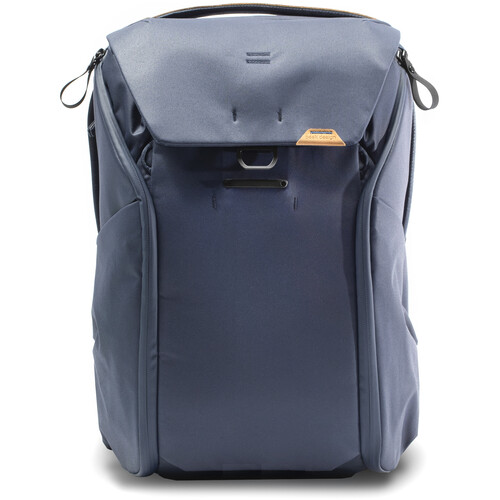
This bag is a beast. It's a perfect all-around bag. It has a huge amount of storage space (large enough for a full-frame body and several lenses), a ton of pockets and compartments, and it's incredibly durable. It is heavy, but the quality of construction makes it feel like you could drop it off a cliff and it still wouldn't break.
Build and Design
The bag uses 100% recycled 400D nylon canvas with a DWR coating, so it's water resistant right out of the box without needing a separate rain cover. The MagLatch closure system on top is magnetic and adjusts to expand or compress the bag depending on your load. At 4.65 pounds with dividers installed, it's not the lightest option, but that weight comes from actual padding and structure.
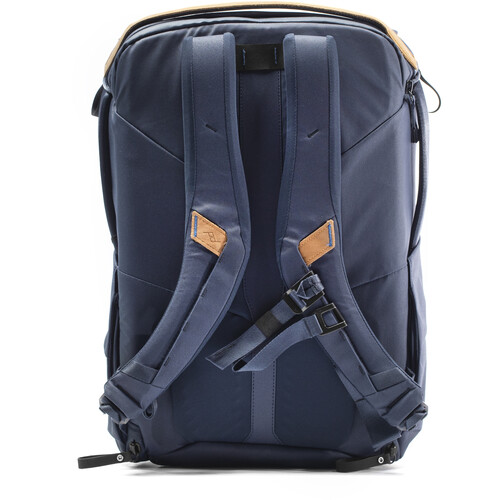
B&H reviewers consistently call the build quality a standout. One reviewer mentioned they've been using it daily for over a month carrying two DSLR bodies, a 70-200mm, a tech pouch, and extra small camera cubes with room to spare. Multiple users praise the side access, calling it the best they've used for urban shooting and commuting.
What It Fits
The 30L version handles a full frame body with a lens attached, plus 2-3 additional lenses, a 16-inch laptop, and a 12.9-inch iPad in separate padded compartments. There's a tripod attachment point on the side and a water bottle pocket that actually works. The origami-style FlexFold dividers let you create custom shelf configurations instead of the typical box grid that most camera bags use.
The Downsides
Users report the bag is heavier than expected for its size. Several reviewers note that the divider system takes some getting used to since it works differently from traditional velcro compartments. If you're used to a Pelican-style grid layout, the learning curve might frustrate you for the first week. And the price puts it firmly in premium territory, which stings when you're already spending serious cash on camera bodies and glass.
You can check current pricing at B&H Photo or compare prices on Amazon.
Alternatives Worth Considering
The Peak Design isn't the right bag for everyone. Here are three solid alternatives that each do something better for specific use cases.
Shimoda Explore V2 35
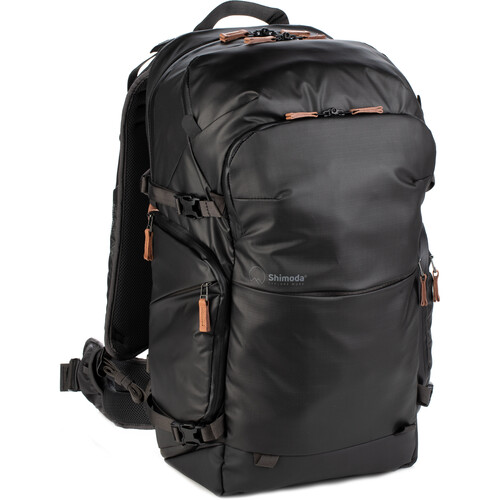
If you're planning to go on a multi-day trip, or plan to shoot in extreme conditions, then the Explore V2 may be the better option for you. While both packs offer excellent protection, the Explore V2 provides a true hiking pack design that allows for easy load and unload from your vehicle.
Plus, with its removable core unit, you can swap it out for a regular hiking setup in seconds. The build is burlier and more trail-ready, though it looks less polished for urban use.
Lowepro Flipside 300 AW III
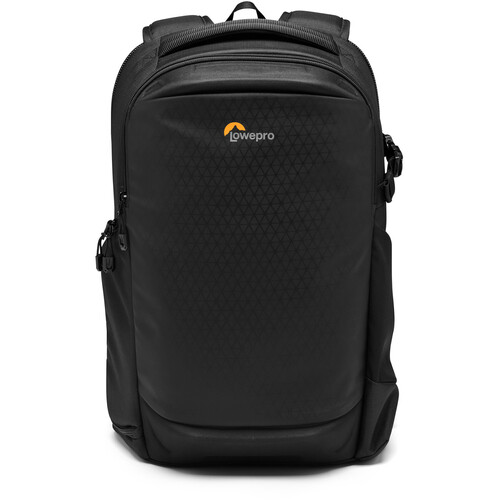
This is the budget pick that doesn't feel like a budget pick. The "AW" stands for All Weather, and it includes a built-in rain cover plus weather-sealed zippers. The back panel opens completely flat, giving you full access to everything at once, and since it opens against your body, it's theft-resistant.
Lowepro has been making camera cases and bags for decades, and the Flipside line shows that experience. It fits a body with an attached lens plus 2-3 extra lenses, though the trade-off is less organizational flexibility and no laptop compartment. Check the Lowepro Flipside at B&H.
Think Tank Photo BackStory 15
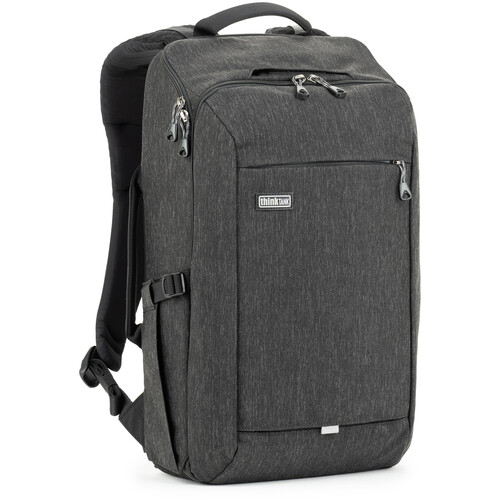
Think Tank is the brand you see on working professionals at events and on set. The BackStory 15 is their mid-size workhorse, and it's designed with a 15-inch laptop compartment and enough room for a pro body with a 70-200mm attached. The build quality is noticeably robust, with YKK zippers and 420D nylon that takes abuse well.
Think Tank bags tend to be less flashy than Peak Design but more utilitarian in their layout, which a lot of shooters prefer. The interior uses a traditional grid divider system that's simple and familiar. See the Think Tank BackStory at B&H Photo.
What to Look for in a Camera Backpack
Before committing to a specific brand, you need to understand the features that actually matter for video production use. Not every feature is equally important.
Access Points
This is the single biggest differentiator. Top-loading bags force you to dig through everything to get to your second body or that wide-angle lens buried at the bottom. Side access panels let you swing the bag off one shoulder and grab what you need without laying it on the ground. Back panel access adds security since nobody can unzip your bag while you're wearing it. The best bags give you all three options.
Dividers and Padding
Dividers help prevent damage to your gear during transport. Look for dividers made of thick material that won't easily bend or tear. Some bags use origami-style folding dividers that create shelves instead of traditional compartments, and that's actually a better approach for filmmakers who need to reconfigure constantly between shoots. If you're carrying gear for documentary production work, proper dividers are non-negotiable.
Weather Resistance
Water resistant zippers, weather-sealed zippers, or fully waterproof designs are essential to protect your gear from the elements. Built-in weather resistance that just works without thinking about it is worth paying more for. Rain covers blow off in wind, and you'll forget to put them on anyway.
Build and Durability
A backpack with a sturdy build and durable materials will withstand years of use. Look for quality zippers (YKK is the gold standard), reinforced stitching at stress points, and thick fabric that doesn't feel like it'll tear on the first snag.
Choosing the Best Size Camera Backpack
When selecting a camera backpack, you want to select one that holds your gear safely yet isn't too cumbersome for your traveling style. In general, larger backpacks are better suited for studio-to-location filming, while smaller ones are ideal for run-and-gun documentary filming. Your selection will depend on how often you need to transport your gear and how much you carry.
Here is a quick guide by shooting style:
Run-and-gun or doc work: 20-25L capacity. One body, two lenses, audio recorder, batteries. You need to move fast and a big bag slows you down. The Peak Design 20L or a good gimbal paired with a smaller bag covers most situations.
Event or wedding work: 25-30L capacity. You're carrying two bodies, 3-4 lenses, flash gear, and spare batteries. You need enough room but you're also on your feet for 8-10 hours, so weight matters.
Studio to location: 30-35L if you're hauling a full kit between your car and a set. Multiple bodies, a lens spread, audio gear, maybe a small light. The Shimoda 35L or Peak Design 30L handles this well.
Protecting Your Investment
A camera backpack isn't just about carrying gear. It's about protecting equipment that costs thousands of dollars. But padding alone doesn't cut it.
Make sure your bag keeps lenses and bodies separated so they don't knock into each other when you're walking. Check that the bottom of the bag has reinforced padding since that's where impact happens when you set it down. And look for bags with internal attachment points or elastic straps that keep smaller items from floating around and scratching lens elements.
If you're building out a full filmmaker's gift list or equipping a new kit, the backpack is honestly one of the most important purchases after your camera and lenses. A cheap bag that damages a lens on the first shoot costs you way more than the premium bag would have.
Frequently Asked Questions
What size camera backpack do I need for a mirrorless setup?
For most mirrorless shooters carrying one body and 2-3 lenses, a 20-25L bag is the right call. Mirrorless bodies are smaller than traditional cinema cameras, so you don't need a massive pack. The Peak Design Everyday 20L handles a full frame mirrorless body with a lens attached plus two additional lenses comfortably. If you're also carrying a laptop, step up to the 30L version.
Are expensive camera backpacks worth it over budget options?
Generally yes, but with caveats. Premium bags from Peak Design, Shimoda, and Think Tank use better materials, better zippers, better padding, and they last longer. A bag that fails or lets water in damages gear that's worth 10-50 times what the bag cost. That said, the Lowepro Flipside line proves you can get solid protection without paying premium prices. The real difference at the high end is organizational features and comfort, not basic protection.
Can I use a regular hiking backpack for camera gear?
You can, but you shouldn't. Regular backpacks lack internal dividers, which means your gear rattles around and can get damaged. Even adding aftermarket camera inserts to a hiking pack doesn't give you the same level of protection or access convenience as a purpose-built camera bag. The Shimoda Explore V2 is the closest thing to a hiking backpack that's actually designed for cameras, with its removable core unit system.
How do I keep my camera backpack organized on set?
Consistency is the name of the game when keeping your camera backpack organized on set. Try putting the same gear in the same places every time you shoot so you know exactly where everything is. Use the divider system to create dedicated spaces for each lens, and store batteries and memory cards in the top or front pocket so they're readily available.
Do camera backpacks work for airline carry-on?
Many 20-30L camera backpacks fit within standard carry-on sizes, however check your airline's maximum allowed dimensions before flying. The Peak Design Everyday 30L measures 19.1 x 13 x 12.6 inches and will fit under most overhead bins. For airlines with tighter restrictions on carry-ons, opt for the 20L version. Always keep your camera gear in your carry-on, never check it.
What's more important, waterproofing or padding?
Padding, hands down. You will inevitably subject your gear to harsh treatment during every shoot, but rain is relatively rare. That being said, having some degree of water resistance is important because even a brief downpour can ruin electronic components in your camera. Look for bags with water-resistant fabric and sealed zippers as a baseline, and add a rain cover for extended outdoor work. The Lowepro AW series includes built-in rain covers, which is a nice touch at that price point.