
Lighting Kit for Film: What You Actually Need to Get Started
It is simple to build a lighting kit for film but building a kit is more complicated than it has to be. You search online and learn about three point lighting setups and color rendering indexes, and before you know it you are overwhelmed with specs, brands, and opinions. Here is the truth. A basic film lighting kit really only consists of a good key light, a good shadow filler, and possibly a backlight or accent light.
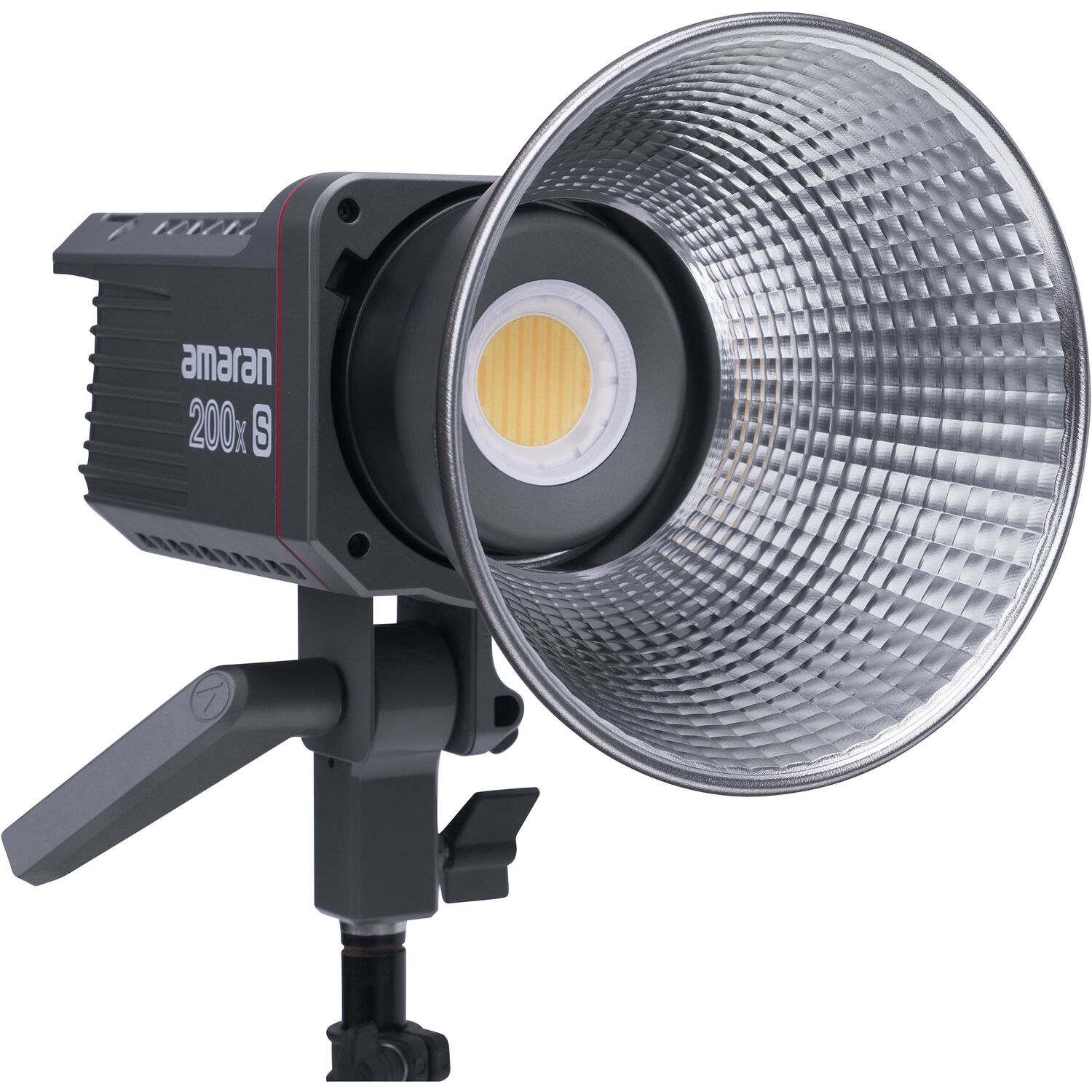
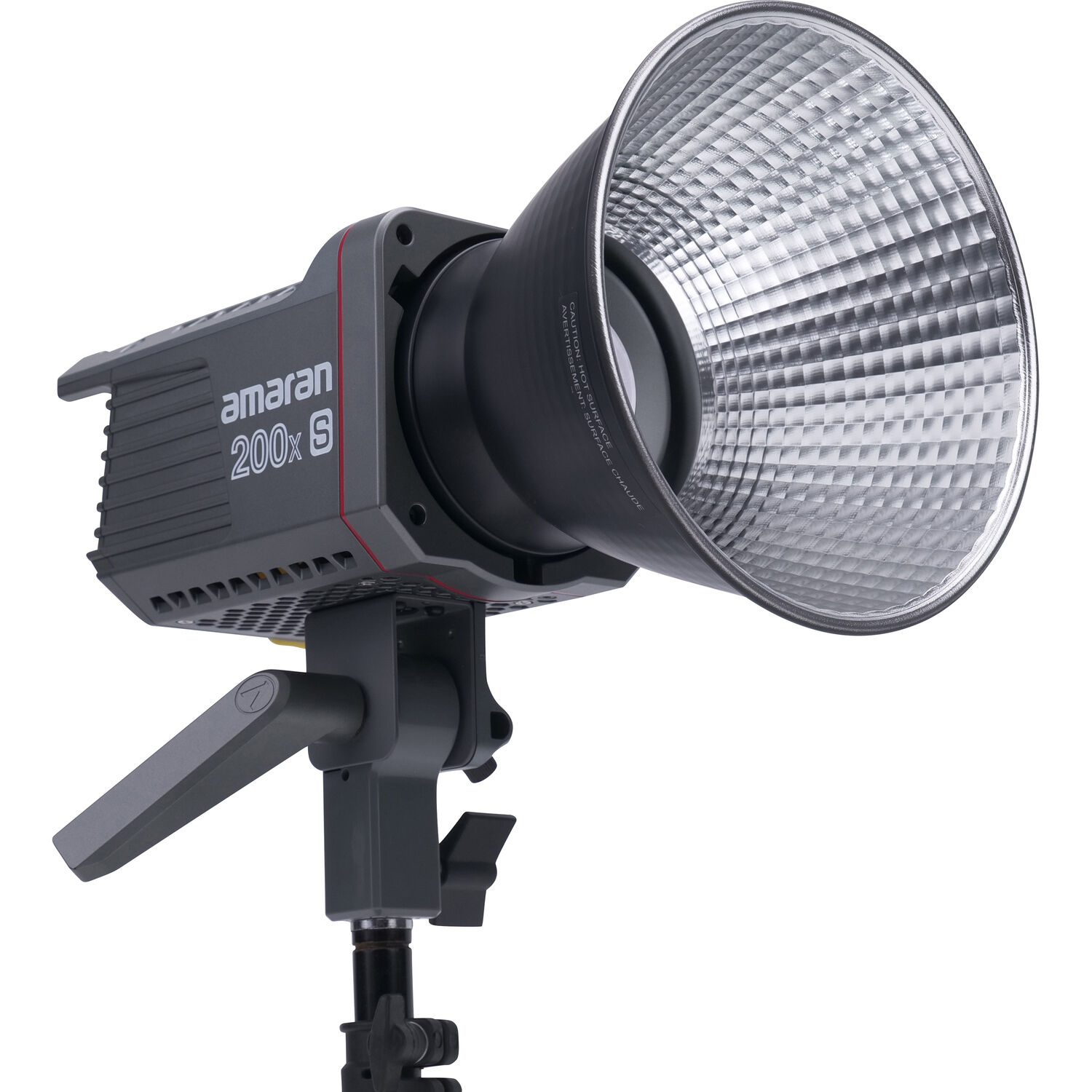
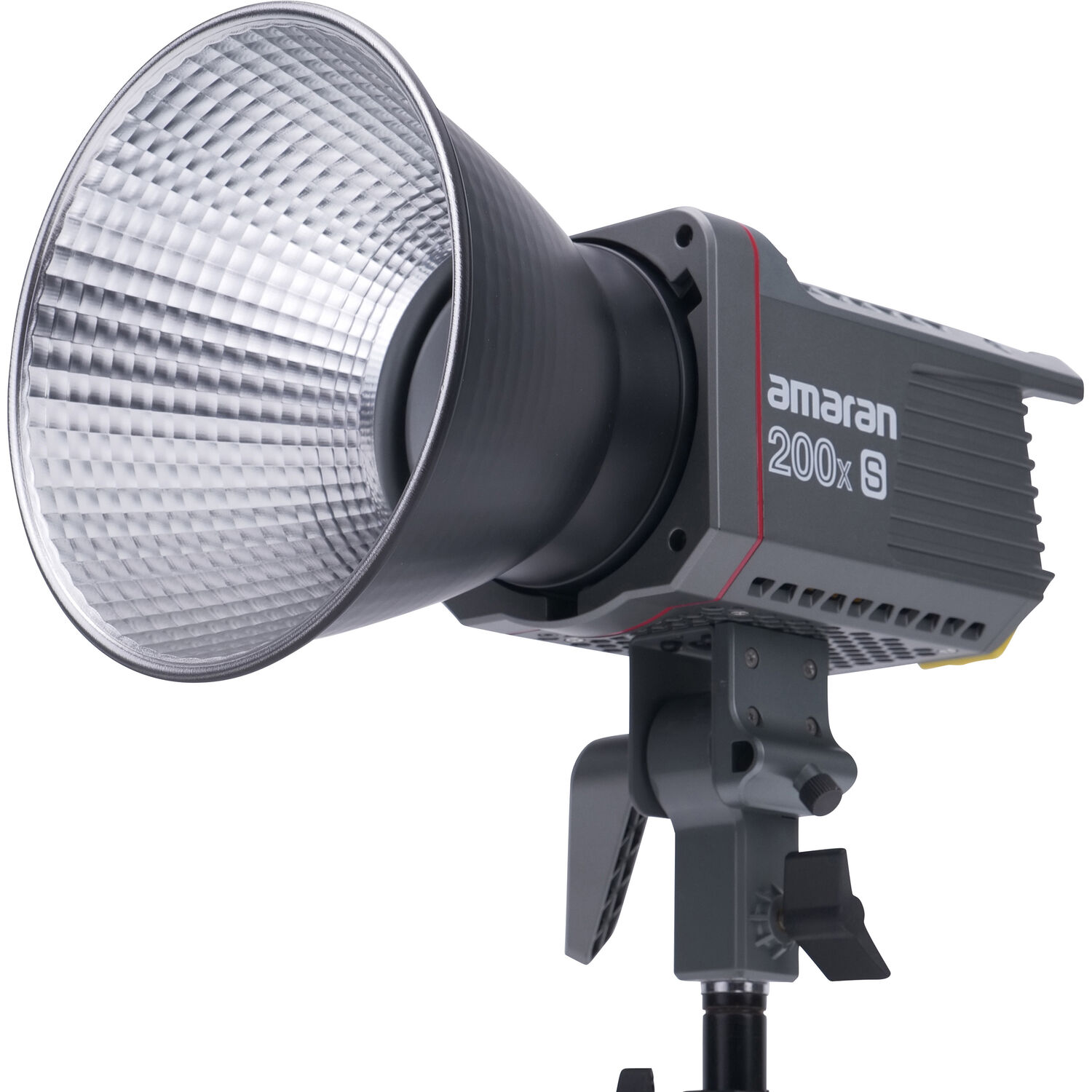
That is basically all you need for the base of a good lighting kit. Anything beyond that adds additional value to your overall kit. One of the absolute best places to start with a new film lighting kit is the amaran COB 200x S. This is the one light I would suggest using as the base for all of your other lights.
COB Lights Revolutionized the Indie Film Lighting Kit
Prior to the introduction of LED chip-on-board (COB) lights, creating a lighting kit for filming involved a choice between expensive LED panel lights that had a very flat and unnatural appearance, or having to rent professional tungsten lighting kits that were both extremely hot and consumed a lot of power. COB lights solved that problem by allowing you to create a single, powerful point source of light that can be molded using modifiers, just like traditional film lighting, but in a compact LED format that produces little heat and uses little power. With a COB light you will be able to attach a wide variety of softboxes, Fresnel lenses, barn doors and lanterns using the Bowens mount system.
The difference between a COB light and a panel light is quite significant for interviews and narrative filmmaking. Reviewers at B&H consistently mention this difference. A user who swapped from panel lights to the amaran COB 200x S stated he was "blown away at how much of a difference soft light made" when used with an Octa Dome, and that the interview subjects noticed the difference in how they appeared on camera. Panel lights do have a place (they are perfect for flat even fills) but a COB light with a good modifier allows you to achieve that directional quality that creates cinematic looking video.
Characteristics of a Great Key Light
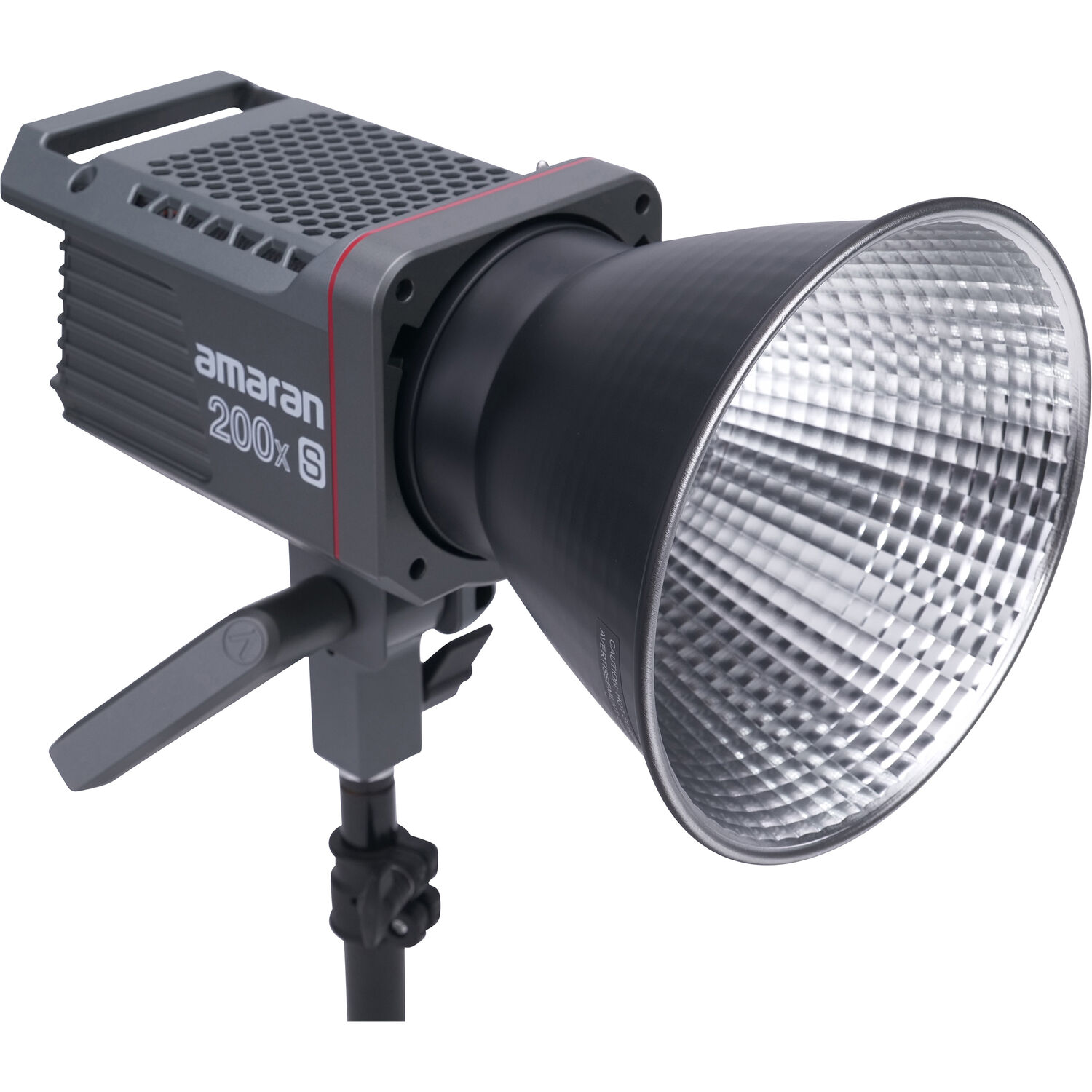
A key light is the most important piece of equipment in any lighting kit for film. It does the bulk of the work. You want your key light to produce enough lumens to pass through modifiers and adequately illuminate the scene, provide accurate color reproduction for realistic skin tone appearance, and offer a bi-color mode to allow you to match various ambient lighting conditions without needing to gel the light.
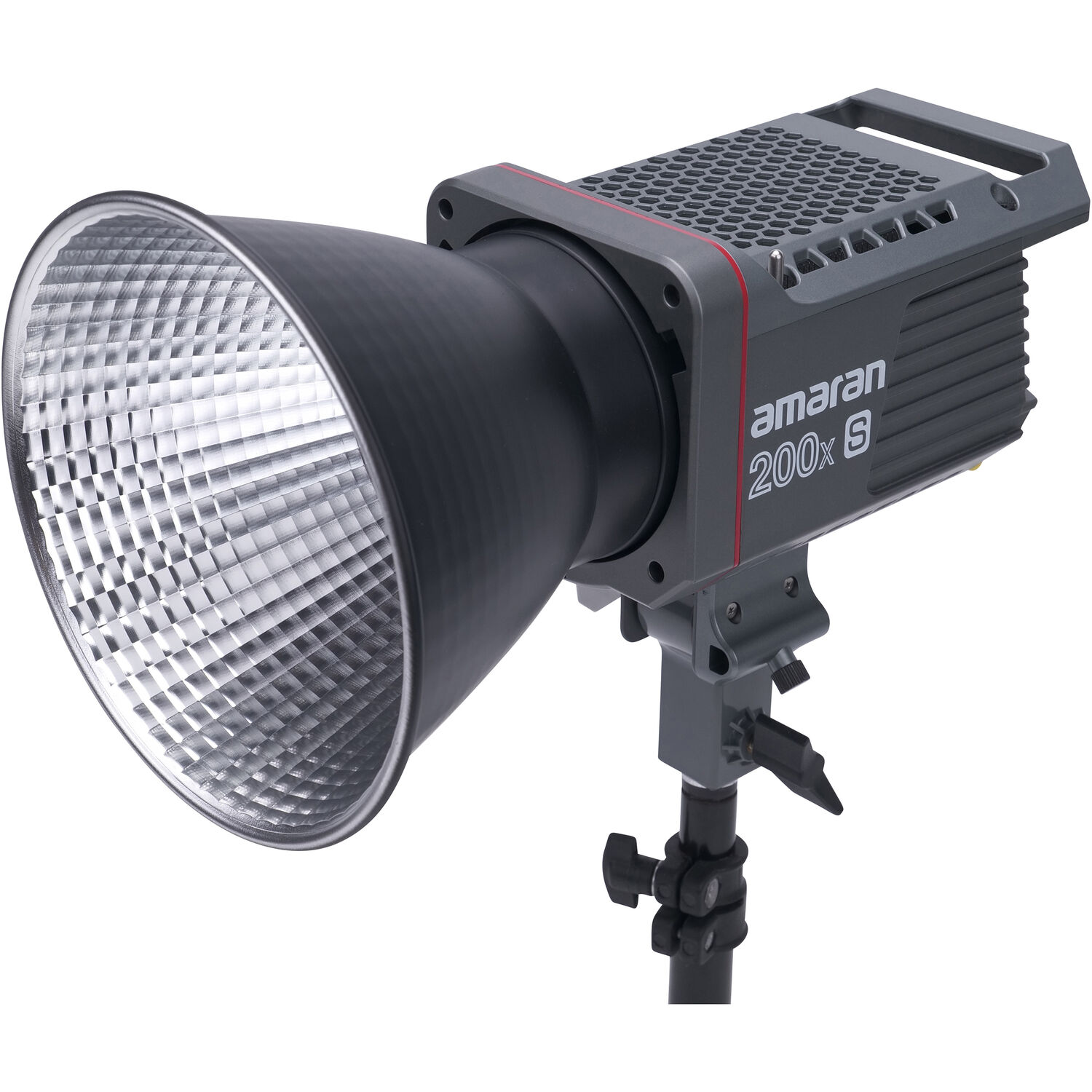
The amaran COB 200x S meets all of these requirements. At 200 watts, it produces 45,400 lux at 3.3 feet with the supplied hyper reflector, and this provides more than adequate lighting for virtually every indie production. The amaran COB 200x S offers a bi-color range of 2700K to 6500K and its color accuracy numbers are excellent with a CRI of 95 and an SSI of 90 at tungsten.
Users report that the light produces ample output at low wattage settings. One B&H reviewer noted that he used his at just 6 percent of maximum for a two person interview in a poorly lit area and achieved precisely the amount of lighting he needed. Having headroom to account for diffusion loss is important as it ensures the light will not be saturated when diffusion is added.
Trade-off Between Quality and Cost of the Plastic Construction
One common complaint that reviewers of the amaran COB 200x S light consistently make is regarding the quality of the plastic components of the light. While the amaran COB 200x S weighs only 3.44 pounds and is therefore easy to rig on stands or carry to locations, this lightweight construction is due to the plastic housing. One reviewer reported that the handle broke off during shipping even though it was shipped in a well-padded case. If you plan to be using the light as you travel to gigs, it is advisable to invest in a protective hardshell case. Based upon the quality of light produced relative to the cost, virtually all users are willing to sacrifice some build quality to get such a good lumen-to-dollar ratio.
Assembling Your First Lighting Kit for Film
Now that you have a good key light, you need to consider what additional pieces of lighting to include with it. You don't necessarily need to purchase multiple of the same light to assemble a good starter lighting kit for film. In many cases, using a combination of different types of lights will provide more versatility than purchasing a group of identical lights.
Three-Light Starter Kit
Here's how to establish a starter lighting kit for film:
Key light: A 100-200W COB light such as the amaran COB 200x S or the amaran COB 100x S, if budget is limited. The 100x S produces 30,500 lux with the reflector at the same 2700 to 6500K range, and is significantly less expensive. Since both use Bowens mount, you may use the same modifier with either.
Fill light: A smaller LED panel light or a secondary COB light at reduced power. The Colbor CL100X is a cost effective option for fill. It produces 25,645 lux at 6500K with CRI of 97+. It is available with AC or optionally V-Mount batteries, providing flexibility for location shooting. You can also compare the GVM SD80D, which includes a softbox as part of the kit.
Accent/backlight: This is where the Aputure MC Pro or comparable pocket RGB light is the ideal solution. Extremely small, battery powered and magnetic mounting. Use it to separate your subject from the background or use it as a practical. Full RGB control is a benefit that bi-color-only lights cannot duplicate.
Modifiers Are Just as Important as the Light Itself
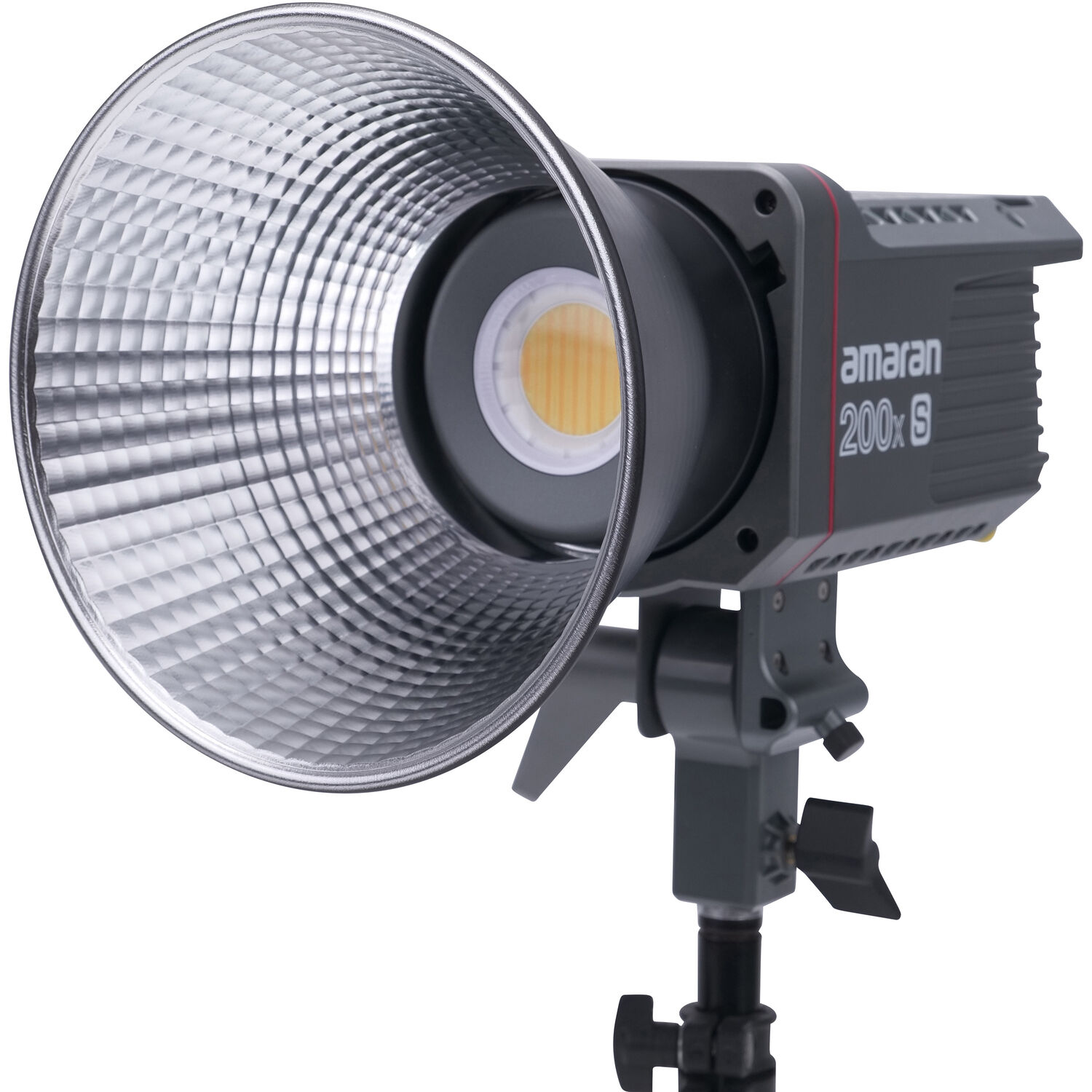
One of the most common mistakes made by first time kit builders is underestimating the importance of the modifier used in front of the light. A bare COB light is harsh and unattractive. However, placing a 3-foot Octa Dome in front of it results in a beautiful and soft key light that follows the contours of the face naturally. Due to the Bowens mount on the amaran COB 200x S, you will have access to dozens of softboxes, beauty dishes, Fresnels, and lanterns from Aputure, Godox, Nanlite and other manufacturers.
To begin, acquire a mid-size softbox (approximately 35 to 47 inches) and a Fresnel lens attachment with barn doors. The softbox will handle your interview and dialogue scenes. The Fresnel provides a hard, controlled beam for dramatic lighting, backlights, and practicals. This will cover approximately 80 percent of what you will need on most typical indie shoots.
If you wish to learn more about the differences in the various forms of lights and when each one is suitable for use, we provided a comparison of LED panels, tubes, and COBs that breaks down the trade-offs between them.
Stepping Up to a Professional Lighting Kit
As soon as you move past your entry level starter kit and/or if your budget will allow you to buy a professional lighting kit for filmmaking right away, you will gain in output power, build quality and wireless control. The jump from consumer grade to professional grade is not simply about having more power. It is about reliability, the ability to overpower ambient light when shooting outside, and workflow features designed to save you time on set.
The Aputure Light Storm Series
The Aputure Light Storm series is a popular choice among working filmmakers and for good reason. The Storm 80c is an 80 watt, compact fixture that contains more features than you would expect, such as the Blair-CG color engine that takes the color temperature range from 1800K to 20,000K. That is not a typo. While not inexpensive, the Aputure Storm 80c 3-Light Kit includes three heads with Fresnels, barn doors, a Light Dome and accessories to give you a complete professional lighting kit.
For serious output, the Aputure LS 600d and the newest addition to the family, the Aputure 600c Pro II, both deliver studio-quality output. The 600c Pro II delivers 91,500 lux using a reflector and offers full RGB control. The original Aputure 300D was one of the fixtures that originally made LED COB lights viable for indie filmmakers and its newer versions have improved color science and added power.
Rent vs. Buy
Not every shoot requires owning every light. Professional lighting kits get expensive fast and some fixtures only make sense for certain productions. If you need a 1200-watt fixture for a daylight outdoor shot, renting for the day is usually smarter than buying a light you will only use a couple of times per year. Rent the specialty lights and own the workhorses that you use on each shoot.
Power and Mobility Considerations
Something that can catch people off guard when assembling a lighting kit for film is the power situation. Studio shots are simple because you just plug into the wall and forget about it. Location work is a different story.
The amaran COB 200x S comes with AC power out of the box, drawing no more than 229 watts. For battery power, you will need the separate Aputure 2-Bay Battery Power Station and either V-mount or Gold mount batteries, which adds significant cost. One B&H user mentioned that this was a concern for travel and location shoots, though he found AC power sufficient for the majority of his corporate jobs.
Budget alternatives like the Colbor CL100X also require separate battery systems for portable use. If you want truly wireless operation, look at lights with built-in battery packs such as the Aputure MC Pro or flexible LED panels that can run off of smaller battery packs.
Noise on Set
The amaran COB 200x S uses fans for cooling. Based on Q&A data from B&H, the fan operates at approximately 30dB, which is quiet enough for most applications but could be heard by a sensitive shotgun microphone near the fixture. For interview and dialogue work, maintain distance between your microphone and the light. If total silence is required, look for lights rated at 20dB or less.
Budget Breakdown: Prioritize Spending
Here is a general guideline for prioritizing your spending when creating your first serious lighting kit for film.
Put the most amount of money into your key light. The quality of your key light determines your overall image quality. A good 200W COB light like the amaran COB 200x S with accurate color rendition and Bowens compatibility is a solid base to begin with. Avoid trying to save money here if possible.
Allocate moderate funds towards modifiers. A softbox and Fresnel combination will cover most scenarios. Third-party Bowens mount modifiers produce acceptable products at a fraction of the cost of name-brand options.
Go budget friendly with your fill and accents. Your fill light does not require the same output or color accuracy as your key light. A less expensive COB or LED panel works perfectly for fill purposes. The GVM SD80D kit or the Colbor CL100X are solid choices here.
Do not forget about stands and grip equipment. Budget for at least two sturdy C-stands or heavy-duty light stands, sandbags and possibly a few clamps. A light with no stable stand is useless on set and a low-cost stand that collapses can damage gear in seconds.
For a starter kit, you will be allocating funds for a mid-range key light, less for a fill light and then additional funds for modifiers, stands and other accessories. It pales in comparison to what tungsten lighting kits used to cost and you can add items to your kit as needed.
Frequently Asked Questions
What is the minimum lighting kit for film I can start with?
A single COB light and a modifier is a viable starting point. A one-light interview setup with a softbox and a reflector board for bounce fill produces professional-looking results for talking-head work even though it is not ideal for multi-camera narrative scenes.
Do I need bi-color or daylight-only lights?
Bi-color is worth the small premium for most filmmakers. Bi-color lights allow you to match your tungsten practicals at 3200K and go daylight at 5600K without needing to apply gel to your lights. The amaran COB 200x S gives you 2700 to 6500K range, which covers essentially every mixed-lighting situation you will encounter on set.
How many lights do I need for a short film?
Most narrative scenes require three lights: a key, a fill and a backlight. However, many independent films have been successfully lit with only two lights and creative use of bounce boards, negative fill, and practicals. How many lights you have is less important than learning to shape and control the light you do have.
Are cheap LED panels worth buying?
For fill light purposes, yes. Budget LED panels from companies such as GVM and Neewer will perform well as a secondary light where color accuracy is less critical. However, never use a cheap LED panel as your primary light for interviews or close-up shots, as the color rendering will generally make skin tones appear unnatural.
Can I mix brands in my lighting kit?
Yes. The Bowens mount system is a universal standard, so a softbox that fits your amaran light will also fit a Godox, Nanlite or Aputure Light Storm fixture. App control will not cross brands, but for most indie filmmakers, physically going over to adjust the knob is usually fine.
Is the amaran COB 200x S suitable for outdoor shooting?
It works in shaded outdoor areas, but 200 watts will not overpower direct sunlight. Reviewers at B&H have reported that it is "not quite as bright as expected for outdoor daylight fill" when used with large modifiers. For outdoor daylight work, you will likely need a higher powered light such as the Aputure LS 600d, or use the 200x S for shaded and interior work where it has ample output.